
playstation plus june 2026 games
Thursday, May 20, 2026 Trusted by millions worldwide Back to News Tech PlayStation Plus Subscribers Are About to Lose Another...
Read More → Wednesday, Aprail 29, 2026
Trusted by millions worldwide
DN Debate Moderates voting shift The debate does not represent a single country or system, but rather a wider trend seen in many democracies where voters are reassessing traditional centrist politics.
DN Debate Moderates voting shift A growing political conversation has emerged under the DN Debate titled “That’s why I can no longer vote for the Moderates,” reflecting a broader shift in voter sentiment and political alignment. The discussion highlights frustration among some voters who feel that moderate political parties are no longer addressing key issues with enough clarity or strength.
The debate does not represent a single country or system, but rather a wider trend seen in many democracies where voters are reassessing traditional centrist politics.
Across several political systems, moderate parties have historically positioned themselves as balanced alternatives between left and right ideologies. However, critics argue that this balance has become less appealing in recent years.
Common concerns raised include:
These frustrations contribute to voter reconsideration.
The central idea behind the DN Debate is that some voters no longer feel represented by moderate political platforms. This shift is often driven by emotional and practical political experiences.
Key reasons include:
These factors influence voting behavior.

Modern politics in many countries has become increasingly polarized. This creates pressure on moderate parties, which often struggle to maintain support from both sides.
Effects of polarization:
This environment challenges moderation.
Trust plays a major role in voter decisions. When voters feel their concerns are not fully represented, they may shift away from traditional moderate parties.
Common trust issues include:
These factors shape political loyalty.
Economic conditions often influence political preferences. Voters experiencing financial pressure may seek more decisive policy approaches.
Economic factors include:
These issues often dominate political discussions.
Voting behavior is also influenced by identity and values. Some voters feel more aligned with parties that strongly represent their views.
Identity-related influences:
These shape political alignment.
Public discourse and media coverage can amplify dissatisfaction with political groups. Online debates and opinion platforms contribute to shaping voter perception.
Influences include:
These amplify voter sentiment.
Moderate parties often attempt to appeal to a broad audience, but this can sometimes dilute their message.
Key challenges:
These issues affect support.
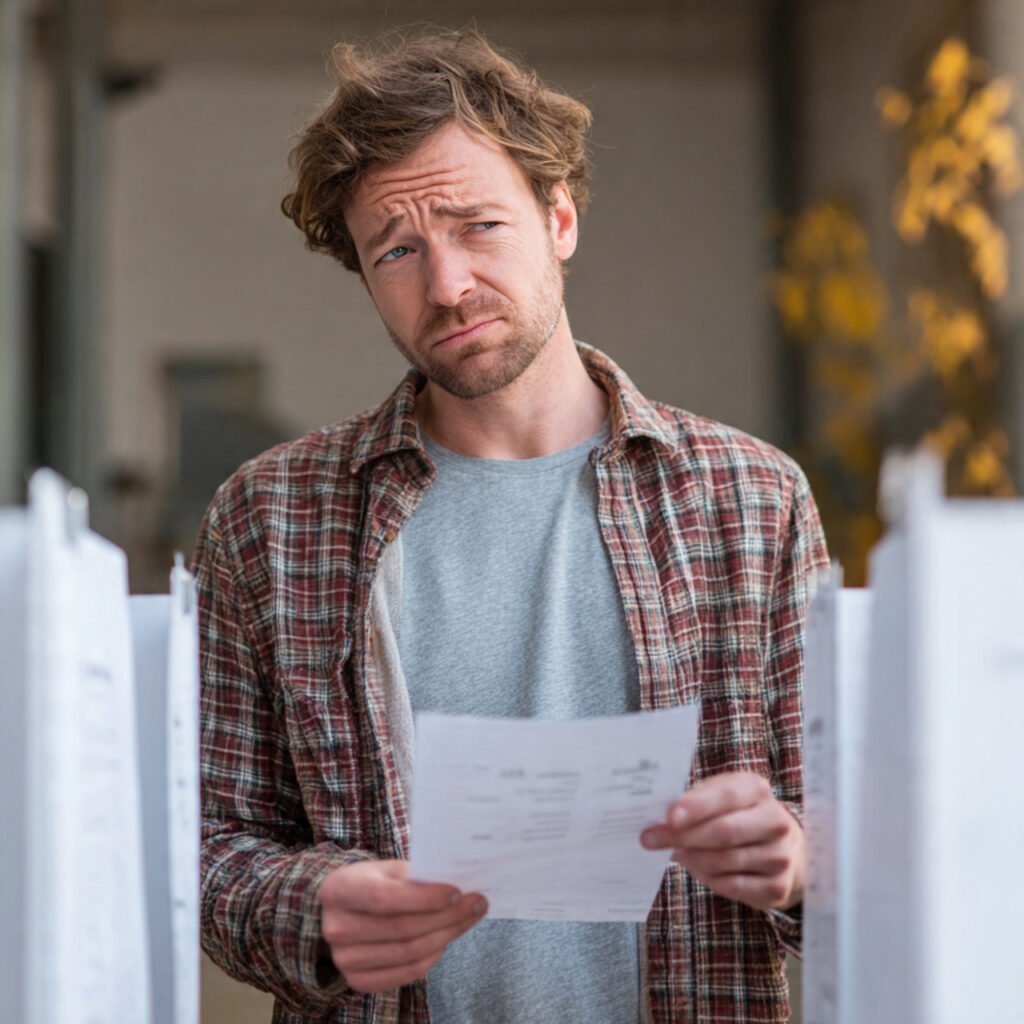
Some voters express frustration with repeated political cycles that do not produce significant change. This can lead to disengagement or shifts in voting patterns.
Common frustrations:
These contribute to change.
As moderate support declines for some voters, more defined political positions can become attractive.
Reasons include:
This influences voter movement.
Despite shifting opinions, voter participation remains a key part of democratic systems. Changing party preference is part of normal political evolution.
Key democratic principles:
These ensure system flexibility.
The DN Debate reflects a wider global trend where centrist politics faces pressure from both ideological sides.
Global patterns include:
This is seen in multiple regions.
If voter sentiment continues shifting, moderate parties may need to adjust strategies to remain competitive.
Possible adjustments:
These may influence future outcomes.
The DN Debate titled “That’s why I can no longer vote for the Moderates” reflects a broader conversation about changing political preferences and voter dissatisfaction with centrist politics. While moderate parties continue to play an important role in democratic systems, shifting voter sentiment highlights the evolving nature of political identity, trust, and representation in modern elections.