
playstation plus june 2026 games
Thursday, May 20, 2026 Trusted by millions worldwide Back to News Tech PlayStation Plus Subscribers Are About to Lose Another...
Read More → Wednesday, Aprail 29, 2026
Trusted by millions worldwide
Israeli contractor killed drone strike Lebanon The contractor was reportedly involved in engineering and operational support tasks linked to military infrastructure projects. The strike highlights the growing use of drone technology in regional conflict zones and the increasing risks faced by both military personnel and civilian contractors.
Israeli contractor killed drone strike Lebanon A civilian contractor working with the Israeli defense establishment has been killed in a drone strike in southern Lebanon, marking another serious escalation in cross-border violence. The incident occurred in an area near the Israel–Lebanon border where tensions have remained high amid ongoing security confrontations.
The contractor was reportedly involved in engineering and operational support tasks linked to military infrastructure projects. The strike highlights the growing use of drone technology in regional conflict zones and the increasing risks faced by both military personnel and civilian contractors.
According to reports, the attack targeted an area in southern Lebanon where Israeli-linked personnel were operating. A drone carrying explosives struck the site, resulting in at least one fatality and additional injuries.
Key details include:
The incident is part of a broader pattern of cross-border attacks.
Drone technology has become a major feature of modern conflict in the region. Both sides have increasingly used unmanned aerial systems for surveillance and attacks.
Key trends include:
These developments have changed battlefield dynamics.
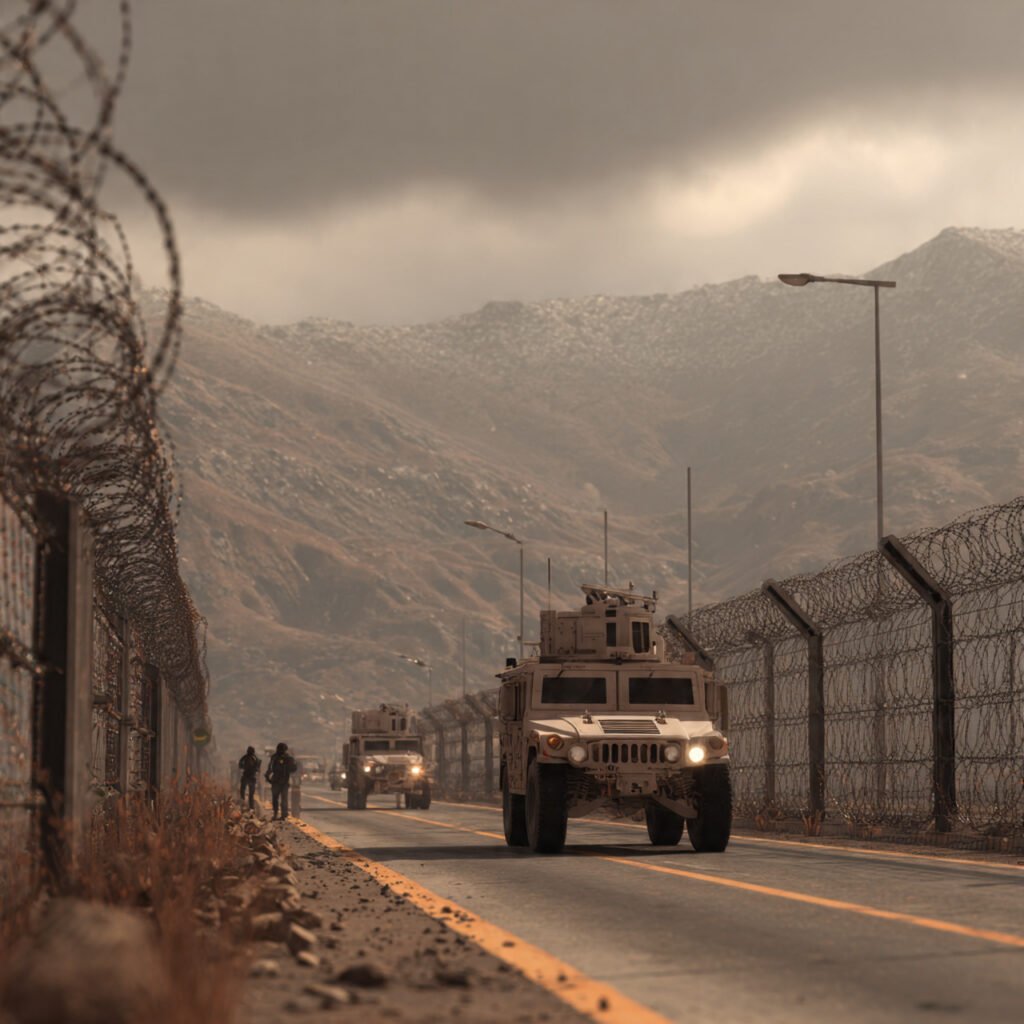
The border region between Israel and Lebanon has experienced repeated cycles of conflict and ceasefire violations. Armed groups and military forces operate in close proximity, leading to frequent escalation risks.
Key factors:
These contribute to instability.

Civilian contractors often support military operations by providing engineering, construction, and technical services. However, their presence in conflict zones increases exposure to risk.
Their roles may include:
These functions are critical but vulnerable.
Southern Lebanon remains a highly sensitive security zone. Military activity, surveillance operations, and armed group presence create a volatile environment.
Key conditions:
The area remains unstable.
The use of drones has changed how attacks are carried out. Small, low-cost drones can bypass traditional defenses and strike targets with precision.
Impacts include:
This shifts military strategy.
The incident has raised broader concerns about escalation along the Israel–Lebanon border. Analysts warn that continued attacks could destabilize the region further.
Concerns include:
These risks remain high.
Global observers have called for restraint and de-escalation following the latest incident. Diplomatic attention is focused on preventing further escalation.
Common responses:
Diplomatic pressure continues.
Incidents involving drones often trigger rapid military responses. This increases the risk of wider escalation.
Possible consequences:
These actions can intensify conflict cycles.
Beyond military implications, the strike highlights human and strategic costs of ongoing conflict.
Key impacts:
These effects extend beyond the battlefield.The border region between Israel and Lebanon has experienced repeated cycles of conflict and ceasefire violations. Armed groups and military forces operate in close proximity, leading to frequent escalation risks.

The killing of an Israeli military contractor in a drone strike in southern Lebanon underscores the rising intensity of cross-border tensions and the growing role of drone warfare in modern conflicts. As security conditions remain fragile, the incident adds further pressure on already strained relations along the Israel–Lebanon frontier. Continued instability raises concerns about further escalation unless diplomatic or security measures reduce tensions in the region.