
playstation plus june 2026 games
Thursday, May 20, 2026 Trusted by millions worldwide Back to News Tech PlayStation Plus Subscribers Are About to Lose Another...
Read More → Tuesday,Aprail 28, 2026
Trusted by millions worldwide
China AI control 2026 The updated approach focuses on reviewing foreign investments, restricting sensitive technology transfers, and increasing compliance requirements. Officials emphasize that the goal is to protect strategic industries while continuing to encourage innovation within regulated frameworks.
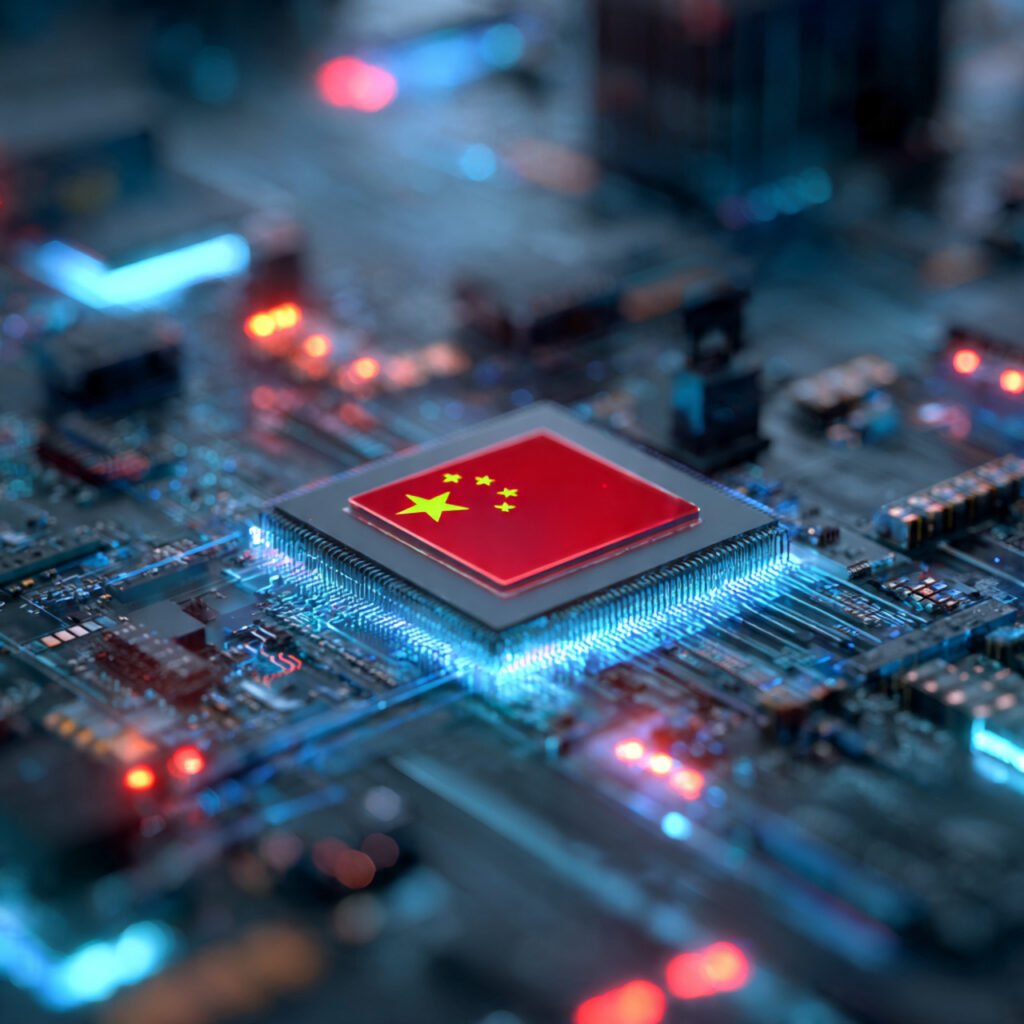
China AI control 2026 China is strengthening oversight of artificial intelligence investment in 2026, with authorities in Beijing moving to tighten rules on foreign tech funding and partnerships. The policy shift reflects growing concerns about data security, technology sovereignty, and control over emerging AI capabilities. Analysts say the move could reshape how global companies invest in China’s fast-growing artificial intelligence sector.
The updated approach focuses on reviewing foreign investments, restricting sensitive technology transfers, and increasing compliance requirements. Officials emphasize that the goal is to protect strategic industries while continuing to encourage innovation within regulated frameworks.
Artificial intelligence is increasingly viewed as a strategic technology. Governments worldwide are introducing policies to manage investment and safeguard sensitive capabilities.
China’s motivations include:
These priorities are shaping the 2026 policy direction.
The new oversight measures primarily target foreign capital entering AI-related companies. Investment screening processes may become more detailed and selective.
Potential changes include:
Such measures aim to maintain oversight.
AI startups often rely on international funding to scale quickly. Tighter rules may change how these companies structure investments.
Possible effects:
Startups may adapt by focusing on local investors.
AI technology plays a role in multiple industries including manufacturing, healthcare, and finance. Control over development is considered essential for economic competitiveness.
Key AI applications:
These applications increase strategic importance.
The new oversight measures primarily target foreign capital entering AI-related companies. Investment screening processes may become more detailed and selective.
Potential changes include:
Such measures aim to maintain oversight.
AI startups often rely on international funding to scale quickly. Tighter rules may change how these companies structure investments.
Possible effects:
Startups may adapt by focusing on local investors.

AI technology plays a role in multiple industries including manufacturing, healthcare, and finance. Control over development is considered essential for economic competitiveness.
Key AI applications:
These applications increase strategic importance.
Data is central to AI development. Authorities are concerned about cross-border data sharing linked to foreign investment.
Security priorities include:
These rules aim to protect sensitive information.
Foreign technology firms investing in China may need to adjust strategies. Partnerships may require additional approvals.
Possible adjustments:
Companies may evaluate long-term plans.
While tightening foreign investment, policymakers are also promoting domestic AI development. Funding programs and incentives may increase.
Support measures may include:
These initiatives encourage growth

The investment environment may shift as domestic capital plays a larger role. Local investors could become more prominent.
Investment trends:
This could reshape financing.
The 2026 policy forms part of broader AI governance efforts. Authorities are developing comprehensive frameworks covering development and deployment.
Regulatory focus areas:
These policies expand control.
Some analysts say tighter rules could slow foreign collaboration. Others believe domestic innovation may accelerate.
Possible outcomes:
Impact depends on implementation.
AI development relies on hardware, software, and data. Investment controls may influence supply chain decisions.
Considerations include:
These factors shape strategy.
Countries are increasingly focusing on AI leadership. Investment oversight reflects broader competition.
Competitive areas:
China aims to strengthen position.
Companies operating in AI may revise strategies.
Possible changes:
Businesses adapt to regulations.
The policy aligns with broader goals to build a self-reliant technology ecosystem.
Long-term priorities:
These goals guide policy.
Implementation may occur gradually. Companies and investors will monitor updates closely.
Next steps may include:
The framework will evolve.
China AI control in 2026 reflects a strategic move to tighten oversight of foreign tech investment and safeguard artificial intelligence development. With Beijing emphasizing data security and domestic innovation, the new rules could reshape global investment flows into China’s AI sector. While foreign companies may face stricter requirements, the policy also signals continued focus on building a strong and self-reliant technology ecosystem.