
playstation plus june 2026 games
Thursday, May 20, 2026 Trusted by millions worldwide Back to News Tech PlayStation Plus Subscribers Are About to Lose Another...
Read More → Tuesday, Aprail 28, 2026
Trusted by millions worldwide
Officials familiar with the discussions say the current proposal faces resistance from multiple factions, raising the possibility that the House could abandon the bill entirely and instead pursue a temporary extension. Such a move would delay long-term funding while keeping the agency operating under short-term measures.
Lawmakers in the United States House of Representatives are weighing whether to scrap a proposed funding bill for the Department of Homeland Security, a move that could extend uncertainty around the agency’s operations and potentially push it closer to a shutdown scenario. The debate comes amid broader budget disagreements, with lawmakers divided over spending priorities, policy provisions, and short-term funding solutions.
Officials familiar with the discussions say the current proposal faces resistance from multiple factions, raising the possibility that the House could abandon the bill entirely and instead pursue a temporary extension. Such a move would delay long-term funding while keeping the agency operating under short-term measures.
The House is currently evaluating whether the proposed DHS funding package has enough support to pass. Several lawmakers have voiced concerns about the bill’s spending levels, policy riders, and broader budget implications.
Key issues include:
Because DHS funding affects multiple national security operations, delays in approval can create operational uncertainty.
Opposition to the funding bill stems from both policy and budget concerns. Some lawmakers argue the proposal does not address security priorities, while others believe spending levels require adjustment.
Concerns raised include:
These disagreements have slowed progress and increased the likelihood that the bill may be scrapped.
If the House abandons the funding bill, lawmakers will likely consider a short-term continuing resolution. This temporary funding approach allows the agency to remain operational while negotiations continue.
Possible outcomes:
Short-term measures are common during budget disputes but do not resolve underlying disagreements.

The Department of Homeland Security oversees a wide range of operations, including border security, disaster response, and cybersecurity. Funding interruptions could impact planning and long-term initiatives.
Key DHS responsibilities include:
While essential services typically continue during shutdowns, planning and administrative functions may face delays.
Although a full shutdown may be avoided through temporary funding, repeated short-term extensions can create instability. Agencies often face planning challenges when funding is uncertain.
Potential effects:
Lawmakers often aim to avoid these disruptions but face challenges reaching agreement.
The debate over DHS funding has developed over several stages:
This timeline reflects the complex nature of budget negotiations.
Budget disputes frequently reflect broader political disagreements. DHS funding debates often involve issues such as border policy, enforcement priorities, and national security spending.
Key divisions include:
These divisions make passing a comprehensive funding bill more difficult.
Even if the House approves a revised funding measure, it must still align with Senate priorities. Differences between chambers often lead to additional negotiations.
Challenges include:
These factors increase the likelihood of temporary funding solutions.
While DHS operations typically continue during short-term funding periods, uncertainty can affect planning. Agencies must manage resources carefully without long-term funding clarity.
Operational concerns include:
These impacts may not be immediate but can accumulate over time.
Lawmakers from different sides have expressed varying views. Some argue scrapping the bill allows negotiations to continue, while others warn it increases shutdown risk.
Positions include:
The debate continues as deadline pressure grows.
A shutdown becomes more likely if lawmakers fail to pass either a full funding bill or a temporary extension. However, Congress often acts near deadlines to prevent disruptions.
Factors affecting shutdown risk:
Observers say a temporary extension remains the most likely outcome.
Lawmakers will continue negotiations while considering alternatives. Possible next steps include:
These options will shape the outcome.
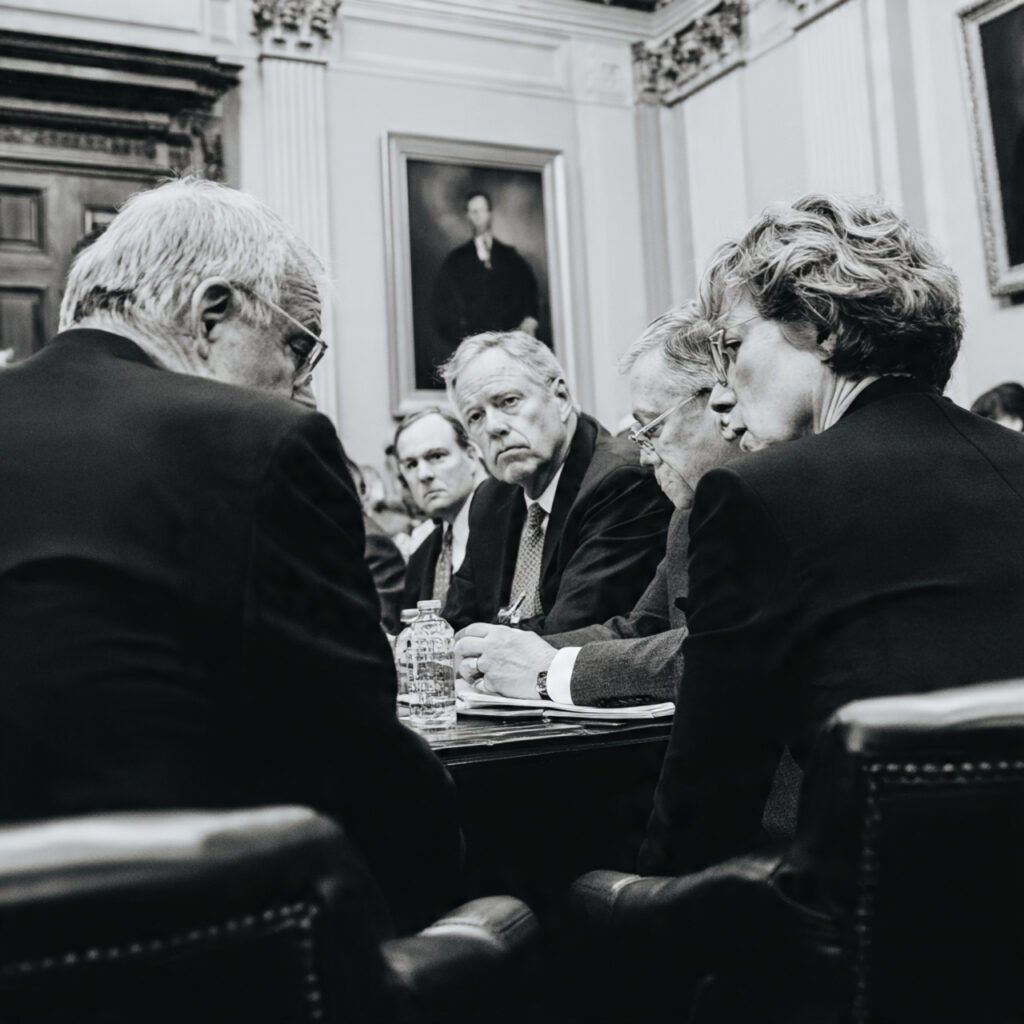
The DHS funding debate is part of larger government budget discussions. Disagreements in one area can affect negotiations across multiple agencies.
Broader impacts include:
These factors influence final decisions.
The possibility that the House may scrap the DHS funding bill has raised concerns about extended uncertainty for the Department of Homeland Security. While a shutdown is not guaranteed, abandoning the current proposal would likely lead to temporary funding measures and continued negotiations. Lawmakers remain divided over spending and policy priorities, making a long-term agreement difficult. As deadlines approach, attention will focus on whether Congress can reach a compromise or rely on short-term extensions to keep the agency funded.