
playstation plus june 2026 games
Thursday, May 20, 2026 Trusted by millions worldwide Back to News Tech PlayStation Plus Subscribers Are About to Lose Another...
Read More → Tuesday, Aprail 28 2026
Trusted by millions worldwide
North Asia missile activity 2026 Authorities in neighboring countries quickly activated monitoring systems after the missile activity was detected. While details remain limited, the situation has drawn attention due to the sensitivity of the region and the potential risks associated with military escalation.
North Asia missile activity 2026 Missile activity reported across parts of North Asia in 2026 has triggered heightened regional tension, prompting close monitoring by defense officials and international observers. The developments come amid growing security concerns, with governments assessing the implications of recent launches and military alerts. Analysts say the activity could influence diplomatic relations, defense readiness, and broader geopolitical stability across the region.
Authorities in neighboring countries quickly activated monitoring systems after the missile activity was detected. While details remain limited, the situation has drawn attention due to the sensitivity of the region and the potential risks associated with military escalation.
Reports of missile launches or preparations typically trigger immediate responses from regional defense agencies. Radar systems track trajectories, while governments assess whether the activity poses any direct threat.
Initial alerts often include:
Such measures are standard procedure during missile-related events. However, repeated activity can raise broader strategic concerns.
Defense monitoring systems indicated activity across areas associated with North Asia’s strategic zones. These regions often include areas monitored by nearby nations such as Japan and South Korea, which typically track missile tests closely.
Military observers say launches in this region can affect:
The proximity of multiple countries makes any missile activity highly sensitive.
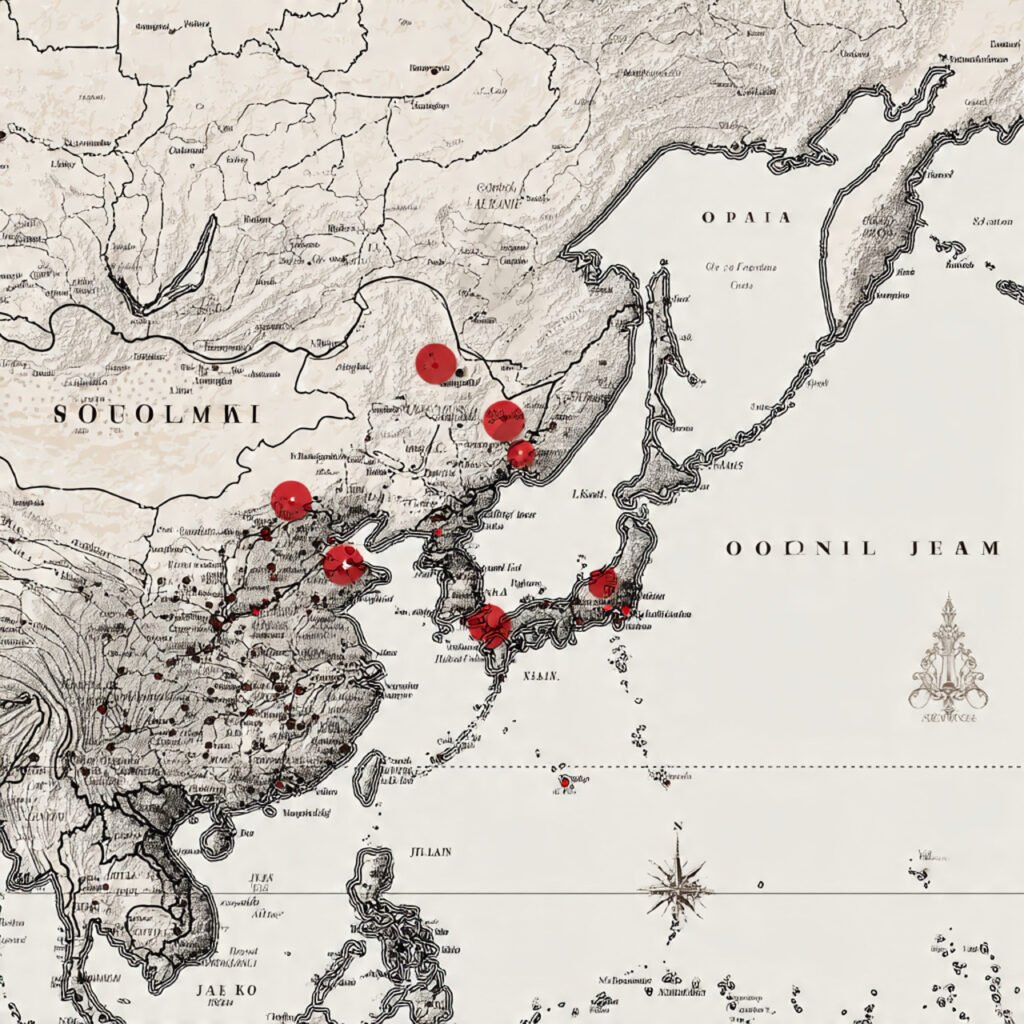
Analysts frequently look toward countries with active missile programs, including North Korea, which has previously conducted tests in the region. However, officials caution that confirmation requires detailed tracking and verification.
Possible scenarios include:
Authorities typically wait for technical analysis before confirming the nature of the activity.
Following the alerts, governments in North Asia activated monitoring protocols. Defense ministries often issue statements confirming detection while reassuring the public.
Responses may include:
These measures aim to reduce uncertainty and ensure preparedness.
Missile launches often carry political and strategic significance. Even routine tests can escalate tensions if conducted near sensitive borders or contested areas.
Key concerns include:

Because missiles can travel long distances quickly, neighboring countries react cautiously.
Following missile alerts, regional defense forces may increase readiness levels. This does not necessarily indicate conflict but reflects precautionary planning.
Typical readiness steps:
These actions are designed to ensure rapid response if needed.
The unfolding situation has followed a typical sequence:
This timeline highlights how quickly such events evolve.
Missile activity often leads to diplomatic engagement. Governments may request clarification, issue statements, or call for restraint.
Possible diplomatic actions:
These steps aim to prevent escalation and maintain stability.
Security experts note that missile activity can serve multiple purposes, including deterrence, testing capability, or signaling political intent.
Analysts suggest:
However, experts caution against drawing conclusions before confirmation.
Missile alerts often affect regional stability even if no conflict occurs. Markets, transportation, and diplomacy can all be influenced.
Potential impacts:
These effects can persist even after activity ends.
Global organizations often monitor missile activity closely. The United Nations and other bodies may review developments if tensions rise significantly.
Monitoring typically includes:
Such oversight aims to maintain transparency.
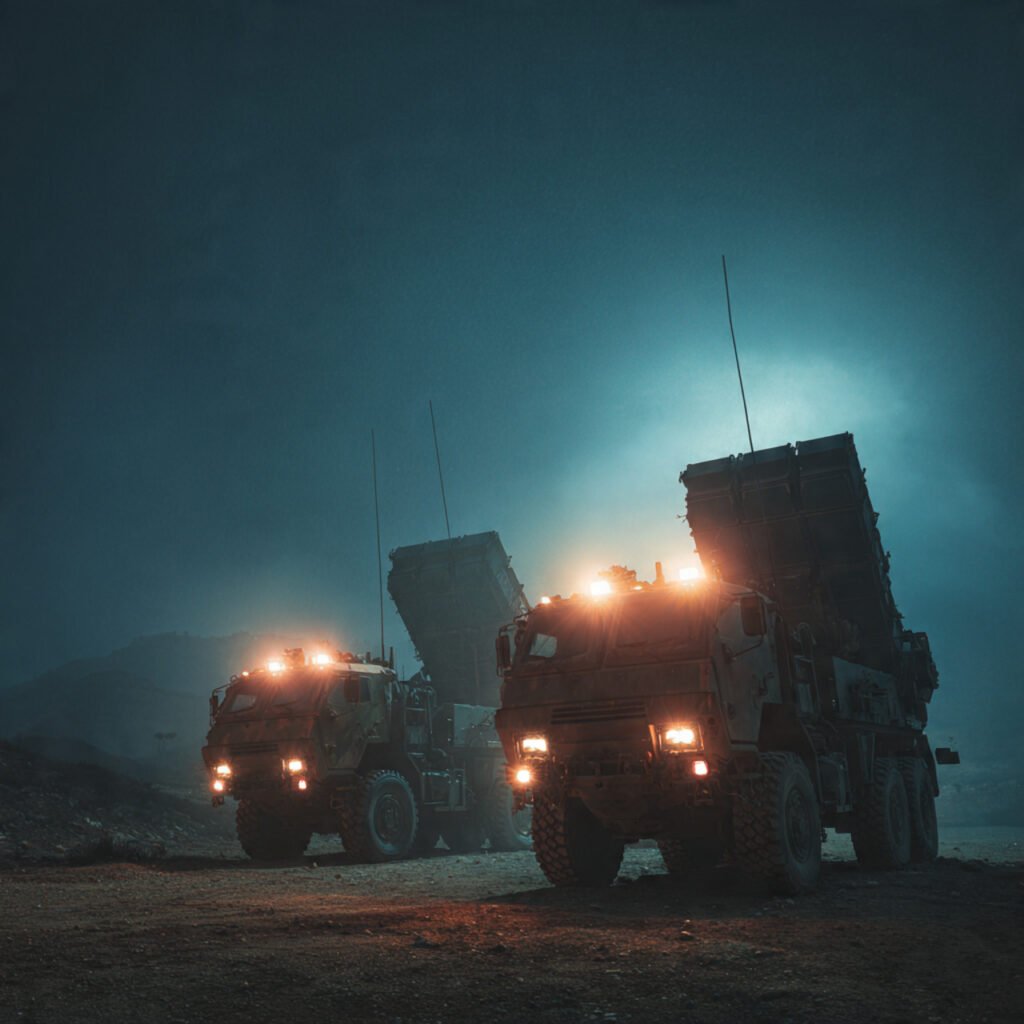
Missile activity does not automatically lead to escalation. However, repeated launches or aggressive posture could increase risk.
Factors influencing escalation:
For now, observers say caution remains the dominant approach.
Officials will continue monitoring for additional launches. If activity stops, tensions may ease. Continued tests, however, could prolong concern.
Authorities will watch for:
These factors will shape the next phase.
Missile activity in North Asia in 2026 has sparked regional tension and prompted heightened monitoring by neighboring countries. While officials emphasize caution and avoid speculation, the situation underscores the sensitivity of missile developments in the region. Governments remain focused on tracking events, maintaining readiness, and pursuing diplomatic stability as more information becomes available.