
playstation plus june 2026 games
Thursday, May 20, 2026 Trusted by millions worldwide Back to News Tech PlayStation Plus Subscribers Are About to Lose Another...
Read More → Monday, Aprail 27, 2026
Trusted by millions worldwide
Russia military drills 2026 Officials confirmed that the exercises are part of scheduled defense readiness operations, but the deployment size and strategic positioning have raised questions about broader implications. Observers note that such drills often carry both military and political messaging, especially when conducted near sensitive regions.
Russia military drills 2026 Russia has launched large-scale military drills in 2026, triggering heightened concern across neighboring regions and drawing close monitoring from Western defense officials. The exercises, involving significant troop movements and advanced military equipment, are being described as one of the most notable military maneuvers in recent months. Analysts say the scale and timing of the drills have contributed to rising geopolitical tension, particularly as global security conditions remain fragile.
Officials confirmed that the exercises are part of scheduled defense readiness operations, but the deployment size and strategic positioning have raised questions about broader implications. Observers note that such drills often carry both military and political messaging, especially when conducted near sensitive regions.
The latest military exercises involve multiple branches of Russia’s armed forces, including ground troops, air defense systems, and naval components. Reports suggest that units have been mobilized across several training zones, with coordinated maneuvers simulating defensive and rapid-response scenarios.
Military drills of this scale typically include:
The exercises are designed to test operational readiness, logistics coordination, and rapid deployment capabilities. However, the visibility of the drills has drawn international attention.
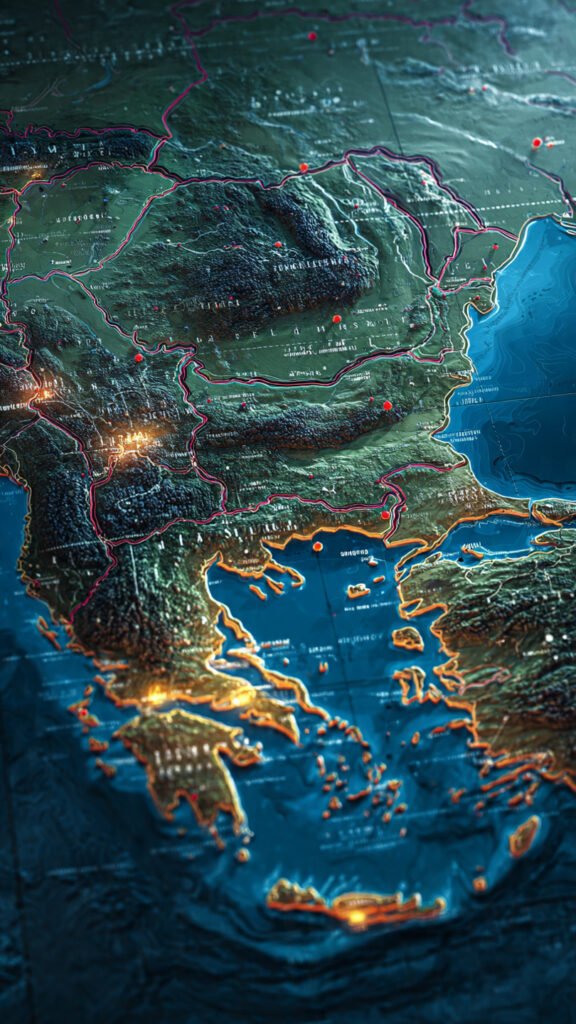
The drills are reportedly taking place across several strategic regions, including areas close to Eastern Europe and other sensitive borders. Such locations often amplify concerns due to their geopolitical importance.
Military analysts highlight that training near contested or strategically important zones can signal preparedness and deterrence. These exercises are being closely watched by neighboring countries concerned about regional stability.
The movement of personnel and equipment has been tracked through satellite imagery and official briefings, further reinforcing the scale of the operation.
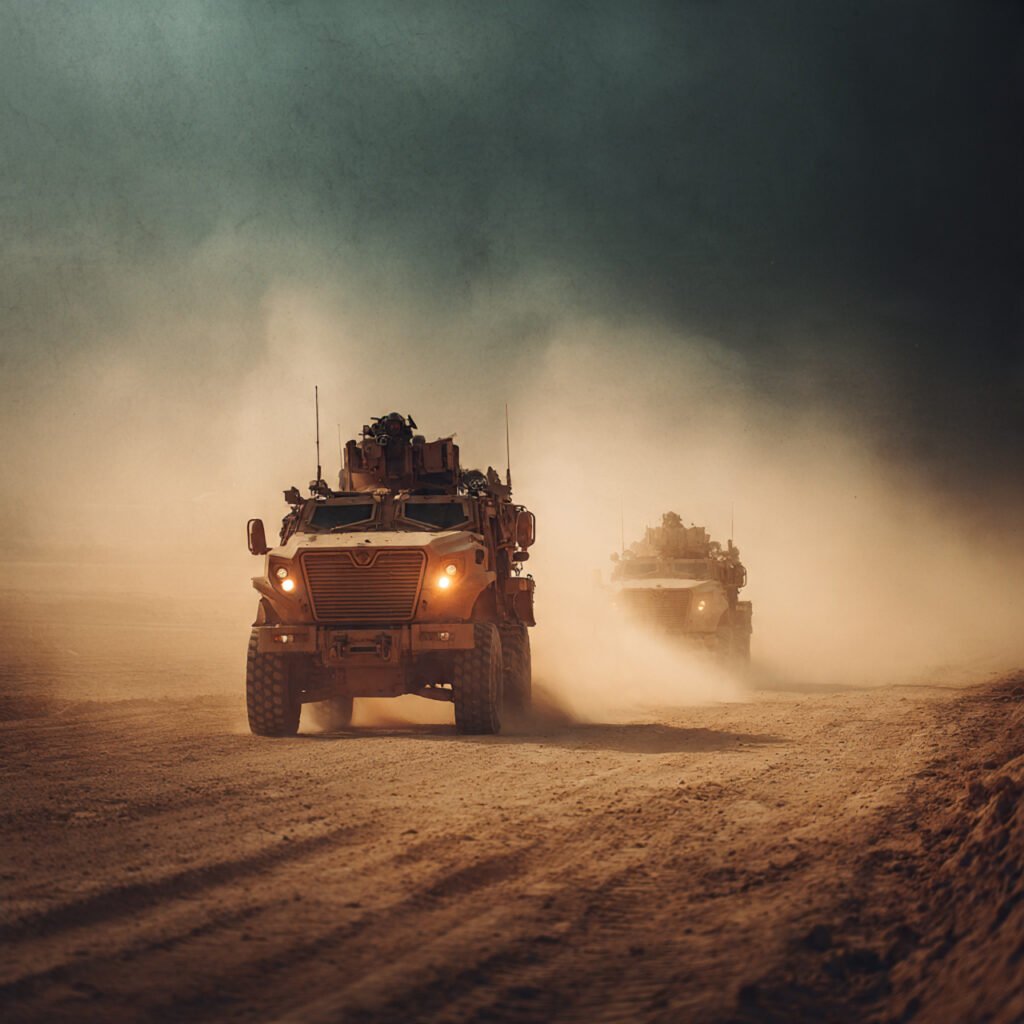
While official figures remain limited, defense observers estimate thousands of troops are participating. The drills reportedly include:
Large-scale logistics support suggests extended operational testing. Such deployments often require coordination across command structures and supply chains.
The inclusion of advanced systems also indicates that the drills may be intended to test modern military capabilities.
Military exercises serve multiple purposes. In this case, analysts suggest Russia aims to demonstrate readiness, strengthen coordination, and send strategic signals.
Possible objectives include:
Officials maintain that exercises are routine. However, timing and scale often influence how they are perceived internationally.
The drills have drawn attention from NATO, which is monitoring developments closely. Defense officials say such movements are assessed to ensure regional stability and avoid misinterpretation.
NATO typically tracks:
Officials have emphasized the importance of transparency and communication to prevent escalation. Statements often call for restraint and adherence to international norms.
Neighboring countries have expressed concern about the scale of the drills. Military activity near borders can increase uncertainty and trigger precautionary measures.
Potential effects include:
While exercises do not necessarily indicate conflict, they often raise alert levels.
Recent developments surrounding the drills include:
This timeline shows gradual escalation in visibility and attention.
Security experts say large-scale drills often serve both operational and political purposes. They demonstrate military capability while sending strategic messages.
Some analysts believe:
Others caution against overinterpreting exercises, noting that many countries conduct similar drills.
Military exercises sometimes increase tensions, especially if misinterpreted. However, escalation typically depends on additional factors such as troop permanence or aggressive posture.
Factors that could raise tension:
So far, the drills appear limited to training activities, but monitoring continues.
Large-scale drills influence broader geopolitical dynamics. Markets, policymakers, and defense planners often respond cautiously.
Possible impacts:
Such developments contribute to global security assessments.
Russia has conducted major drills in previous years, often involving thousands of troops. These exercises typically test readiness and demonstrate military strength.
Past drills have included:
The 2026 drills appear consistent with this pattern but are drawing attention due to current tensions.
Observers will monitor:
If exercises conclude without escalation, tensions may ease. However, extended activity could maintain concern.
Russia’s massive military drills in 2026 have sparked regional tension and drawn international scrutiny. While officials describe the exercises as routine readiness operations, their scale and location have raised geopolitical concerns. NATO and neighboring countries continue monitoring developments closely. For now, the drills remain within training parameters, but analysts say the situation warrants careful observation as events unfold.