
playstation plus june 2026 games
Thursday, May 20, 2026 Trusted by millions worldwide Back to News Tech PlayStation Plus Subscribers Are About to Lose Another...
Read More → Monday, Aprail 27, 2026
Trusted by millions worldwide
Iran foreign minister Russia Officials indicated the visit comes at a critical moment, as geopolitical pressure increases and global markets closely monitor any signs of de-escalation.
Iran’s foreign minister is heading to Russia for high-level talks as Donald Trump signaled openness to negotiations, telling Tehran to “call us” if it wants to reach a deal. The development suggests a possible diplomatic shift amid rising tensions, with Moscow expected to play a potential mediating role between Washington and Tehran.
Officials indicated the visit comes at a critical moment, as geopolitical pressure increases and global markets closely monitor any signs of de-escalation.
Iran confirmed that its foreign minister is traveling to Russia for discussions with senior officials in Moscow. The visit is expected to focus on regional security, diplomatic coordination, and possible pathways to reduce tensions.
The trip highlights strengthening ties between Tehran and Moscow, particularly as both countries face increasing Western pressure. Analysts say the timing suggests Iran may be seeking strategic backing or mediation support.
Donald Trump indicated the United States is open to negotiations, telling Iran to “call us” if it wants to talk. The comment signals a potential diplomatic opening despite heightened rhetoric.
Trump’s remarks suggest Washington is leaving the door open for dialogue, even as tensions remain elevated. The statement quickly drew attention from political observers, who see it as a possible shift toward diplomacy.
Iran’s outreach to Russia reflects growing coordination between the two countries. Moscow has historically played a diplomatic role in regional conflicts and maintains communication channels with both Tehran and Washington.
Experts believe Iran may be seeking:
Russia’s involvement could influence the direction of future talks.
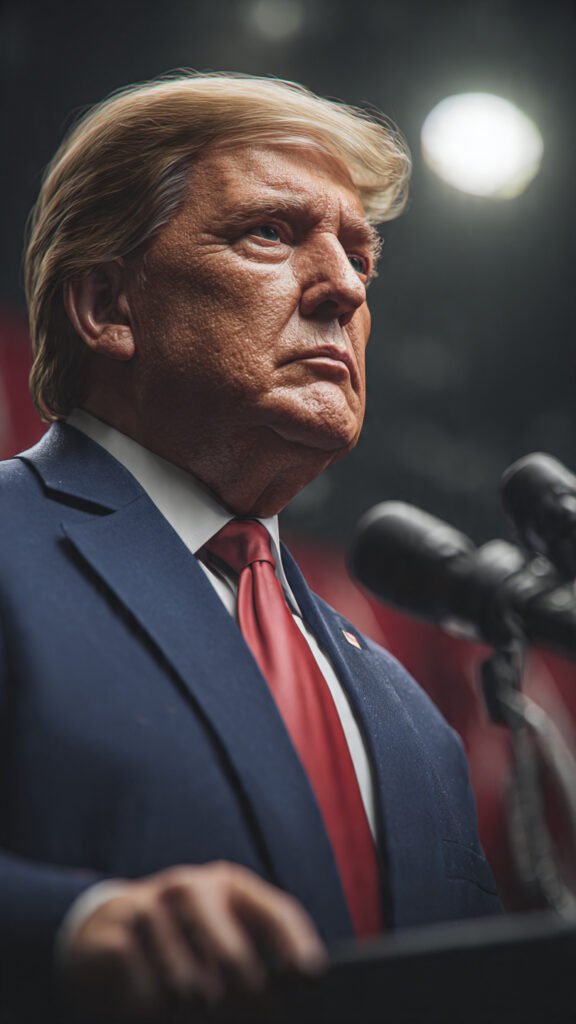
Russia may act as a mediator or facilitator for indirect communication between the United States and Iran. Moscow has previously positioned itself as a diplomatic bridge in complex geopolitical disputes.
If Russia agrees to help, the talks could:
However, analysts caution that outcomes remain uncertain.
Trump’s “call us” comment has fueled speculation that backchannel diplomacy could resume. While no official talks have been announced, the combination of Iran’s Russia visit and US openness suggests movement.
Diplomatic observers say negotiations would likely focus on:
Any progress would depend on mutual willingness to engage.
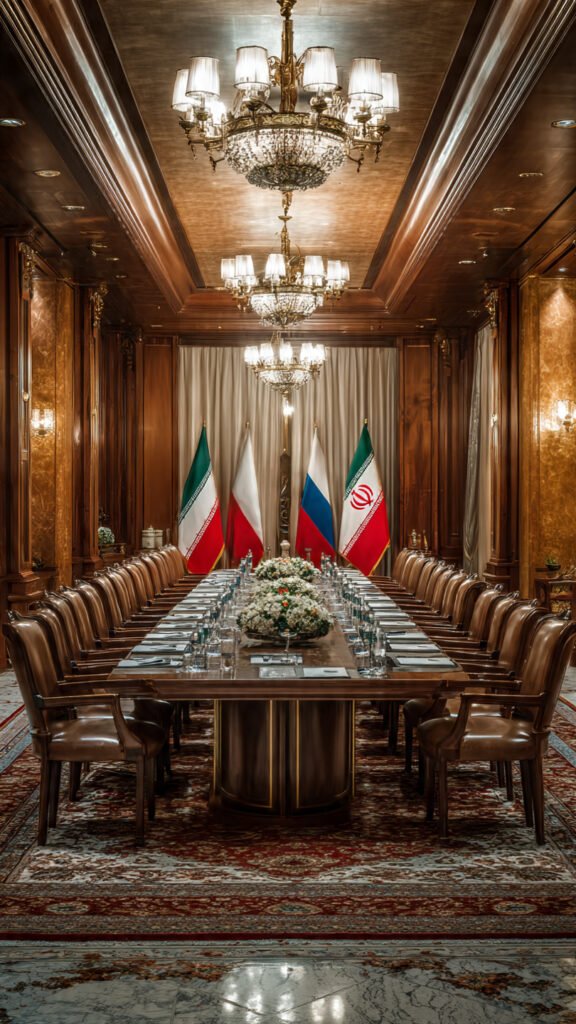
The diplomatic signals drew attention from global leaders and analysts. Markets also reacted cautiously, with investors watching for signs of de-escalation.
Experts say even small diplomatic openings can influence geopolitical risk and energy markets.
The outcome of the Moscow meeting could determine whether diplomacy gains momentum. If Russia plays a mediating role, informal communication between Washington and Tehran may follow.
Officials are expected to monitor:
The situation remains fluid.
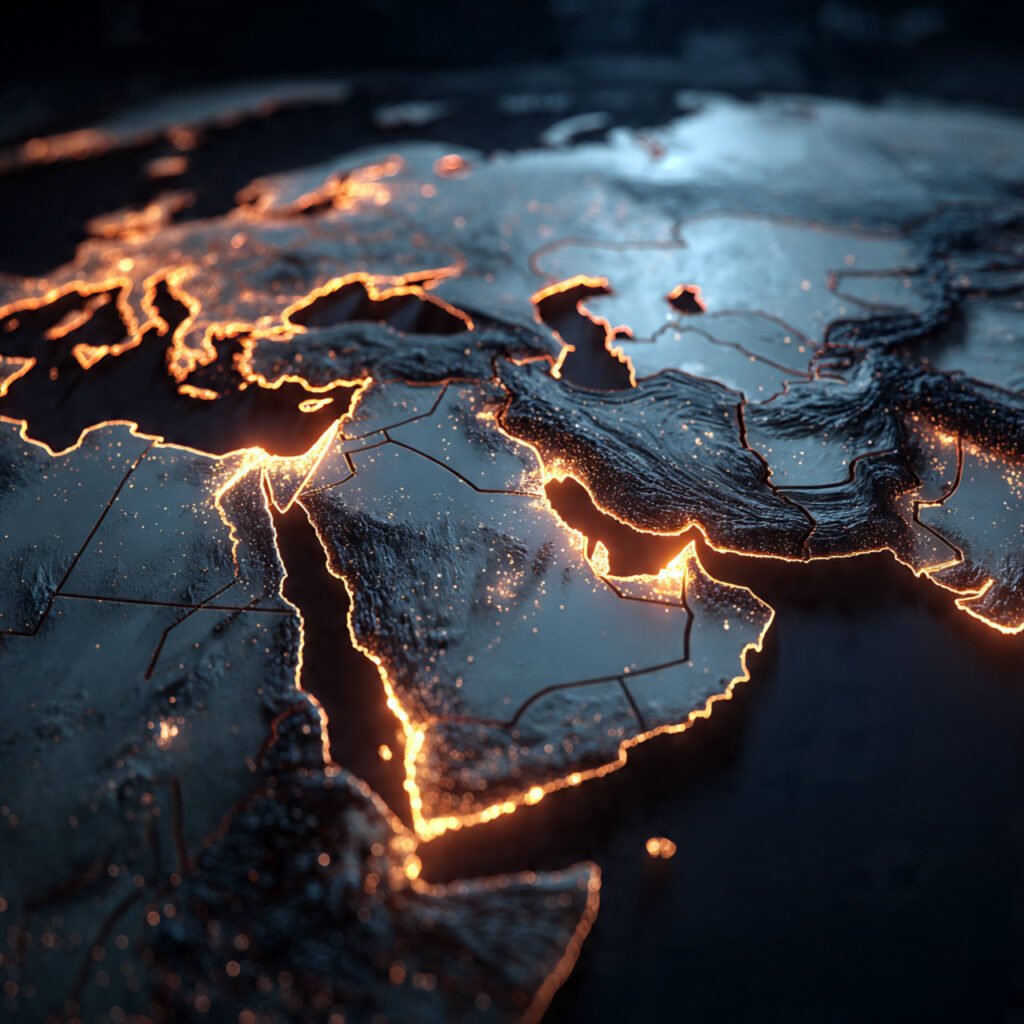
As tensions continue to shape global geopolitics, Abbas Araghchi is heading to Russia for high-level discussions, signaling a strengthening of strategic ties between the two nations. The visit comes at a critical moment, as Donald Trump publicly urged Iran to “call us” and reopen negotiations, indicating a possible shift toward diplomacy despite ongoing tensions. Analysts see this dual-track developmentdeepening alliances on one side and renewed calls for dialogue on the other as a sign of evolving power dynamics and cautious diplomatic maneuvering.
Overall, the situation reflects a delicate balance between confrontation and cooperation. While Iran’s engagement with Russia highlights its strategic positioning, the invitation for talks from the United States suggests that diplomatic channels remain open. Moving forward, the focus will be on whether these parallel developments lead to meaningful negotiations or further geopolitical complexity, making careful observation and fact-based reporting more important than ever.