China diplomatic push 2026
Monday, Aprail 13, 2026 Trusted by millions worldwide Back to News Polotics China Diplomatic Push 2026: Beijing Expands Global Partnerships...
Read More → 
Monday, Aprail 13, 2026
Trusted by millions worldwide
China diplomatic push 2026 This approach has resonated with governments in the Global South, where infrastructure deficits remain a critical barrier to economic growth.
China’s diplomatic push in 2026 is accelerating at an unprecedented pace. As of April 13, 2026, Beijing has dramatically expanded its global partnership network, signing new strategic agreements with nations across Africa, Southeast Asia, and the Middle East. This intensified foreign policy drive comes as China seeks to strengthen multilateral relationships outside the traditional Western-led framework, positioning itself as the world’s leading development partner for the Global South.
The shift is not simply a reaction to ongoing trade tensions with Western economies. It reflects a long-term strategic vision that Beijing has been refining for years one that prioritizes infrastructure investment, digital technology exports, and energy cooperation over political conditions.
China diplomatic push 2026 The ‘Development-First’ Model
A key reason behind the success of China’s 2026 diplomatic outreach is what analysts call the “Development-First” model. Unlike many Western-backed aid programs that tie financial assistance to governance reforms or democratic conditions, Beijing offers what it describes as non-conditional partnerships.
This approach has resonated with governments in the Global South, where infrastructure deficits remain a critical barrier to economic growth. China’s willingness to finance roads, ports, railways, and power plants without political strings attached has given it a significant competitive advantage in regions previously considered Western spheres of influence.
The Digital Silk Road Expansion
A major pillar of China’s 2026 international engagement strategy is the expansion of the Digital Silk Road. Beijing is now exporting 5G telecommunications infrastructure, artificial intelligence governance frameworks, and e-government platforms to more than 40 partner nations. Countries in sub-Saharan Africa, Central Asia, and Southeast Asia have signed digital cooperation agreements with Chinese technology firms in the first quarter of 2026 alone.

Expanding the BRICS Framework
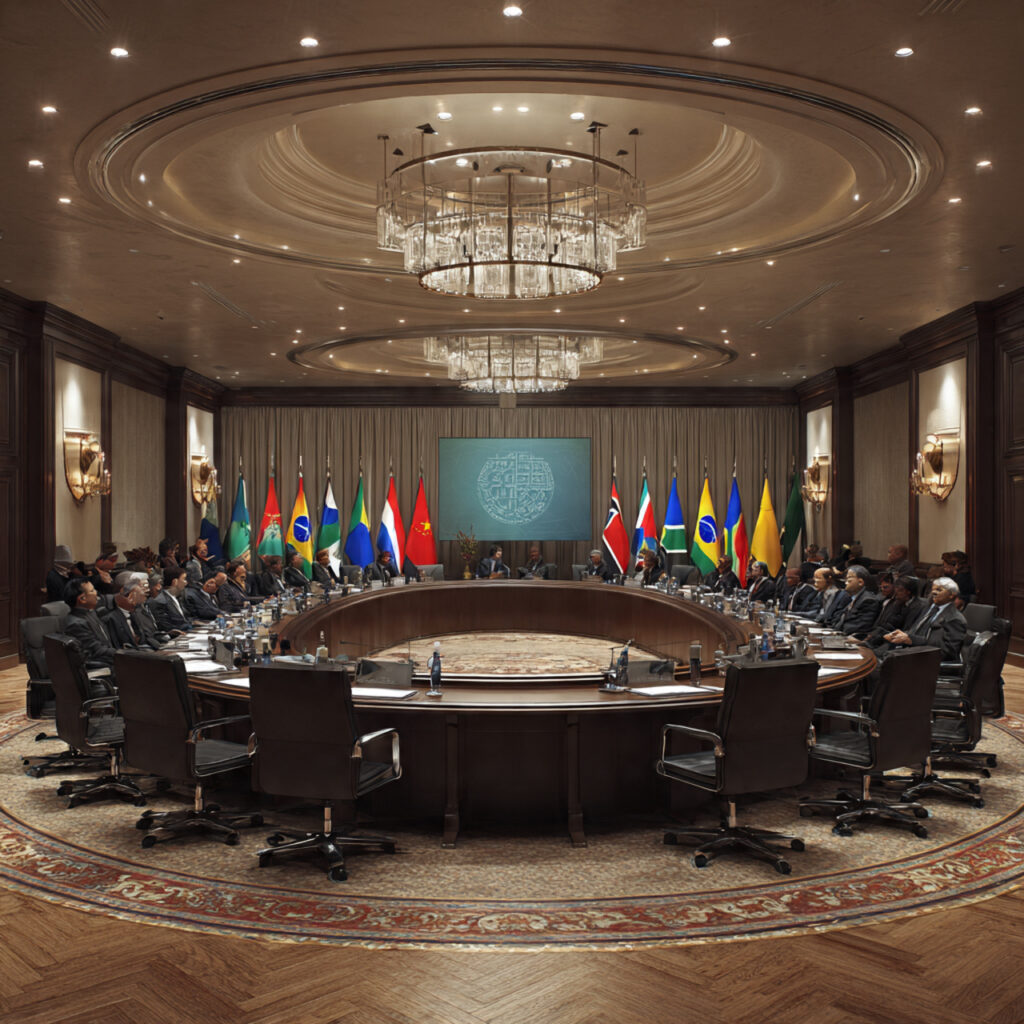
China has been a driving force behind the expansion of the BRICS grouping. With six new members now formally integrated into a coordinated economic framework, the bloc has evolved from a loose association of large emerging economies into a structured multilateral body. Beijing plays a central leadership role in shaping the group’s trade, finance, and development agenda.
For China, BRICS+ serves as a counterbalance to G7-dominated institutions like the IMF and World Bank. By channeling development finance through Chinese-backed mechanisms such as the New Development Bank, Beijing is building an alternative financial architecture that reduces partner nations’ dependence on Western lending institutions.
Through the Shanghai Cooperation Organisation, China is advancing a regional security agenda built on the principles of sovereignty, non-interference, and state-led development. The SCO has grown into a significant platform for coordinating counterterrorism, border security, and trade policies among its member states in Central and South Asia.
Critics argue that the SCO framework reinforces authoritarian governance norms. Supporters counter that it provides genuine stability in regions that have historically suffered from geopolitical instability.
China’s Green Energy Diplomacy
The Green Energy Transfer Program
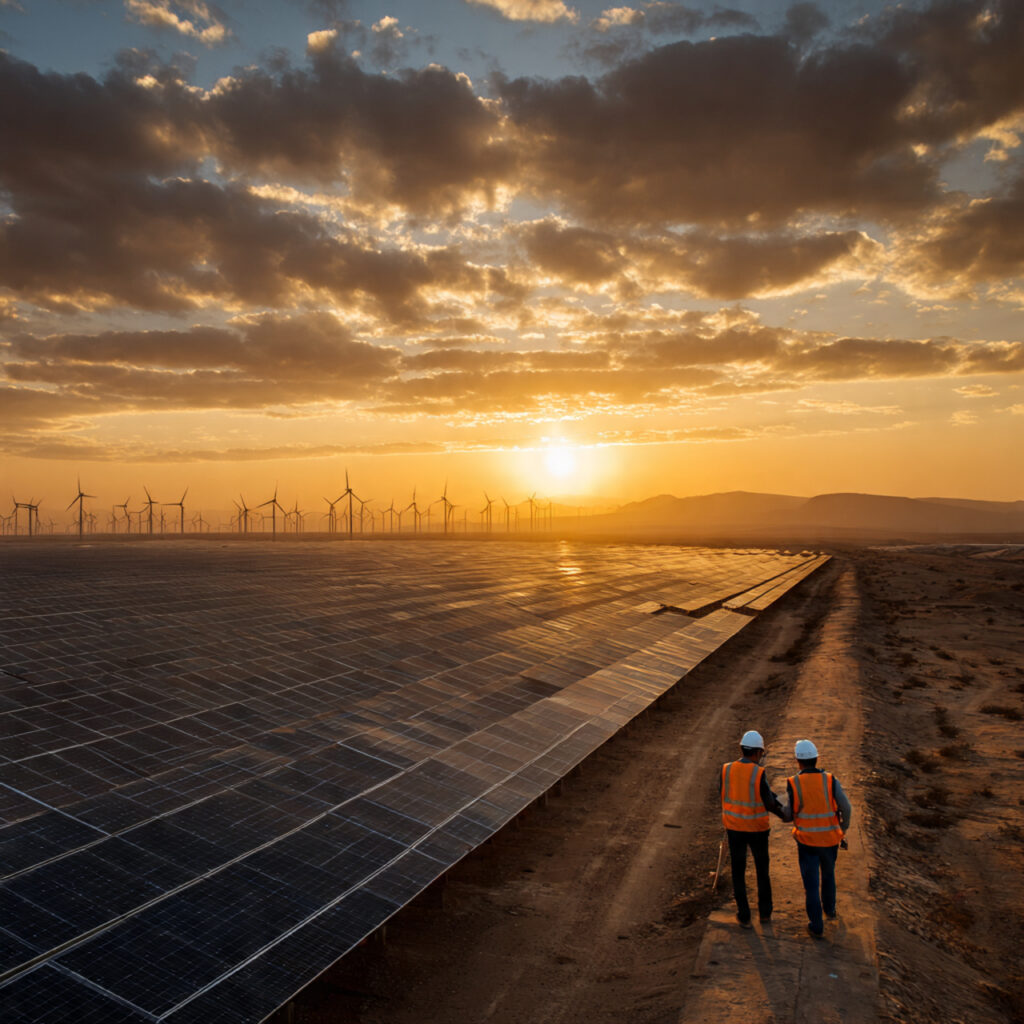
One of the most strategically significant elements of China’s 2026 foreign policy is its “Green Energy Transfer” initiative. Under this program, Beijing is providing solar panels, wind turbines, and clean energy infrastructure to debt-stressed nations across Africa and Southeast Asia.
In exchange for this green technology assistance, recipient countries enter into long-term cooperation agreements that secure China’s access to critical natural resources and establish Beijing as the dominant technology provider for their energy transitions. This positions Chinese firms at the center of the global clean energy supply chain for years to come.
A Challenge to the Western-Led Order?
International analysts are divided on how to interpret the scale of China’s 2026 diplomatic surge. Some observers view it as the emergence of a genuinely multipolar world order in which no single bloc dominates global governance. Others see it as Beijing systematically building a sphere of economic influence that could constrain smaller nations’ policy choices in the long run.
What is clear is that the Belt and Road Initiative has matured far beyond a construction program. It has become the backbone of a broader diplomatic network that links infrastructure, technology, finance, and security cooperation into a unified strategic framework.
For middle-income countries particularly those in Southeast Asia, the Gulf, and Latin America China’s expanded outreach presents both opportunities and risks. Nations that engage with Beijing’s partnership model gain access to capital and technology. However, they also face growing pressure to align with Chinese positions on issues ranging from Taiwan to trade governance.
Managing these relationships while maintaining ties with Western partners has become one of the defining foreign policy challenges of 2026 for dozens of governments worldwide.
The Blue Economy Initiative is another component of this strategy. China is securing maritime cooperation agreements in the Pacific and Indian Oceans, providing coastal development support in exchange for resource-sharing arrangements and preferential port access.
China’s diplomatic push in 2026 represents a structural shift in how global influence is built and exercised. By focusing on infrastructure, digital technology, clean energy, and multilateral institutions, Beijing has created a partnership model that appeals to a wide range of nations seeking development without political conditions.
Whether this model ultimately delivers sustainable development for partner countries or deepens economic dependencies remains an open question. What is certain is that the global diplomatic landscape of April 2026 looks fundamentally different from just five years ago and China’s expanding partnership network is a central reason why.
For policymakers, investors, and international observers, tracking the evolution of China’s 2026 foreign policy strategy is no longer optional. It is essential for understanding where global power is flowing in the decade ahead.