
playstation plus june 2026 games
Thursday, May 20, 2026 Trusted by millions worldwide Back to News Tech PlayStation Plus Subscribers Are About to Lose Another...
Read More → Sunday, Aprail 12, 2026
Trusted by millions worldwide
Google AI search update 2026
By contrast, sites that focus on original reporting, personal experience, and proprietary data such as investigative journalism outlets, specialized research publications, and local news sites are holding or even gaining visibility as Google cites them as primary sources inside the AI block.
Google’s AI search update in 2026 is reshaping how millions of websites attract visitors. With the full rollout of Search Generative Experience (SGE) 2.0, publishers across every industry are seeing a measurable shift in organic traffic, click-through rates, and ad revenue. If you manage a blog, news site, or online business, understanding exactly what is changing and why has never been more important.
Google AI search update 2026
SGE 2.0 is Google’s second-generation AI search experience, which places a large, AI-generated answer block at the very top of the search results page. Unlike the test version launched in 2023, the 2026 update is now live globally and handles a far wider range of queries from medical questions to product comparisons.
The core change is simple: users get a direct answer without clicking any link. For websites that built traffic on informational content, this represents a fundamental threat to their business model.
The AI Overview pulls from multiple credible sources and synthesizes a response. Key features of the updated system include:
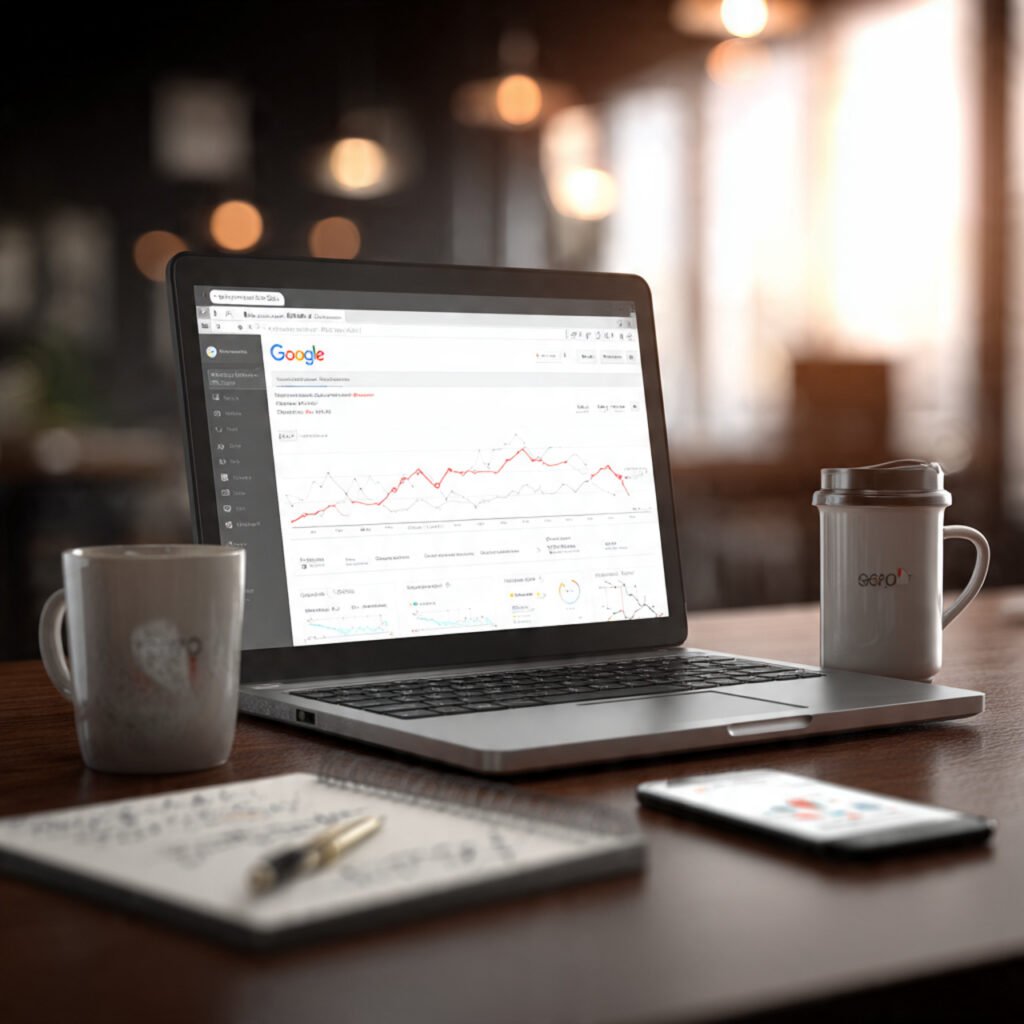
Data gathered from independent SEO research platforms in early 2026 points to a clear pattern: websites relying on informational content are losing organic traffic at a significant rate, while transactional and review-focused sites are more insulated.
The sites hit hardest by the 2026 AI search update include:
By contrast, sites that focus on original reporting, personal experience, and proprietary data such as investigative journalism outlets, specialized research publications, and local news sites — are holding or even gaining visibility as Google cites them as primary sources inside the AI block.
One of the most striking findings from early 2026 analytics reports is what SEO professionals are calling the ‘impression-click gap.’ Websites are being cited inside the AI Overview, which means their brand name appears in front of millions of users. However, because users get their answer without leaving Google, the actual click-through rate has dropped sharply for those same pages.
This creates a situation where a website can have high brand awareness but declining ad revenue a combination that has forced many publishers to rethink their monetization strategy entirely.
Adapting to the Google AI search update in 2026 requires a shift in how content is created, structured, and promoted. The publishers and SEO teams that are seeing growth right now share several common strategies.
Google’s AI cites sources it considers authoritative and original. If your content summarizes what other sites have already published, you are unlikely to earn a citation. Instead, focus on:
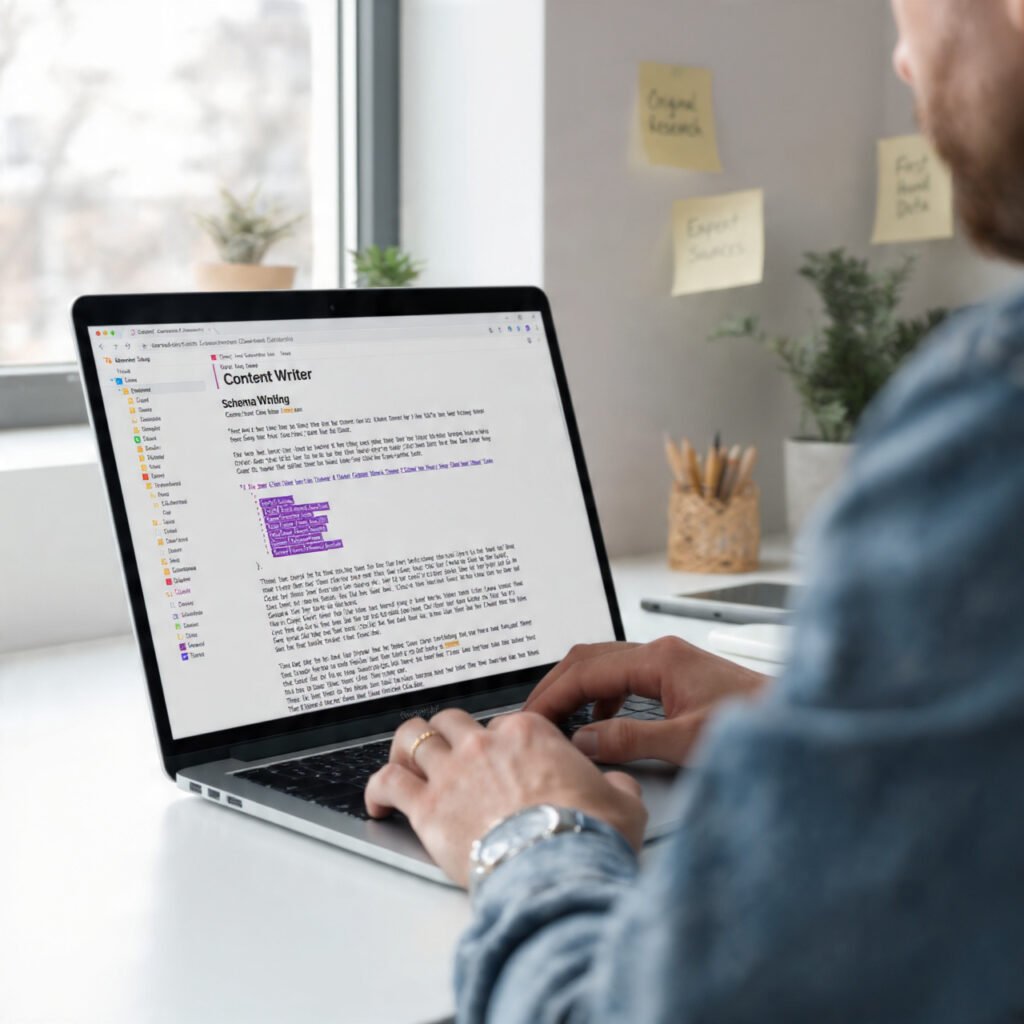
Schema markup helps Google’s AI understand your content more precisely. In 2026, structured data is no longer optional for competitive rankings. Article schema, FAQ schema, HowTo schema, and Review schema all increase the likelihood that your content will be referenced in an AI Overview response.
The AI Overview is less likely to fully answer queries where the user needs to make a purchase, comparison shop, or take a specific action. Keywords like ‘best [product] for [use case],’ ‘buy [product] online,’ or ‘[service] near me’ still drive significant click-through traffic. Shifting your content focus toward transactional and commercial intent queries is one of the most effective short-term adjustments you can make.
Opinion columns, expert commentary, personal review essays, and community-driven discussions are content types that AI cannot authentically replicate. Readers and Google both value human perspective especially in a landscape flooded with AI-generated content.
For websites monetized through Google AdSense, the traffic decline in informational categories is directly affecting ad revenue. Here is what AdSense publishers need to understand in 2026:

Google has indicated that the SGE 2.0 rollout will continue to expand through the remainder of 2026, with additional language support and deeper integration with Google’s other products including Maps, Shopping, and YouTube.
SEO professionals expect the following developments in the coming months:
The SGE 2.0 Traffic Impact Report represents a fundamental reset of the internet’s value proposition. The Google AI search changes 2026 prove that the “Middleman” content model is obsolete. As the AI overview Google traffic impact continues to widen, the only sites that will thrive are those that provide unique value, human expertise, and irreplaceable data. On this April 12, 2026, the “Google Shakeup” is a clear signal: in the age of AI, being “found” is no longer enough you must be “essential.”