playstation plus june 2026 games
Thursday, May 20, 2026 Trusted by millions worldwide Back to News Tech PlayStation Plus Subscribers Are About to Lose Another...
Read More → Wednesday, Aprail 8, 2026
Trusted by millions worldwide
Europe reaction to Islamabad Peace Talks The EU’s reaction to the Islamabad Peace Talks is, at its core, a strategic bet: that dialogue now is cheaper than the economic and security costs of prolonged conflict.
Europe reaction to Islamabad Peace Talks European leaders have expressed cautious but significant support for the Islamabad Peace Talks as diplomatic efforts in April 2026 seek to de-escalate months of dangerous military and economic tensions between the United States, Iran, and their respective regional allies. The Europe reaction to the Islamabad Peace Talks has been broadly positive, with senior officials in Brussels describing the ceasefire framework as a ‘vital step back from the brink.’ However, unity within the European Union remains fragile, as member states weigh long-term security concerns against immediate economic pressures.
This article examines what European leaders have said, the internal divisions shaping EU policy, and what the talks could mean for global stability through the rest of 2026.
The European Union’s engagement with the Islamabad Peace Talks is driven by a combination of economic necessity and long-term diplomatic strategy. After months of elevated energy prices partly triggered by disruptions to key maritime shipping routes in the Persian Gulf region European governments are eager to see a sustained reduction in geopolitical tensions.
Several EU economic ministries have noted that energy futures prices have eased noticeably in recent weeks as peace talk preparations gained momentum, providing temporary relief for Eurozone economies that were teetering close to contraction. For Brussels, securing a stable energy environment is as strategic as any military alliance commitment.
Senior EU foreign policy officials have stated publicly that the bloc views the Islamabad framework as an opportunity to establish a European role in post-conflict reconstruction and monitoring reducing the continent’s traditional dependence on US-led initiatives to manage Middle Eastern crises.
Official statements from EU institutions and individual member state governments have ranged from enthusiastic endorsement to measured caution. The dominant tone from Western European capitals particularly Paris, Berlin, and Rome — has been one of conditional support.
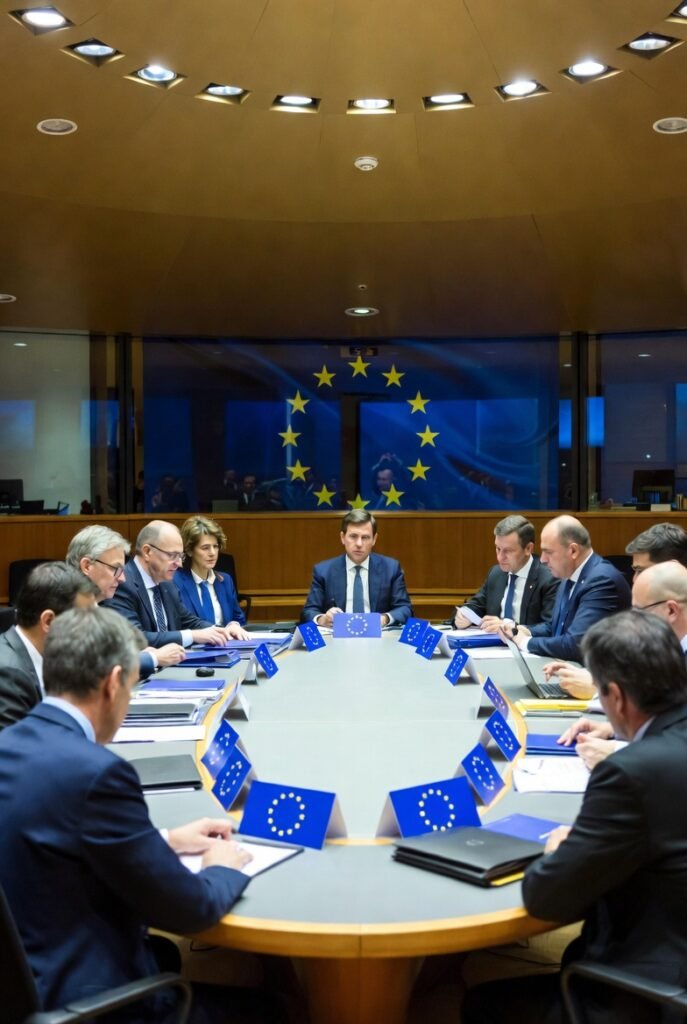
The EU’s outward show of support conceals real divisions, particularly among Central and Eastern European member states. Poland and the three Baltic nations Estonia, Latvia, and Lithuania have expressed reservations about what they describe as premature optimism surrounding the talks.
Their central concern is that a rushed ceasefire could benefit actors, specifically Russia, that have used previous ceasefires as windows to resupply and regroup rather than to pursue genuine peace. These governments are lobbying within EU structures for any European endorsement of the Islamabad talks to be explicitly tied to parallel progress on broader European security guarantees, particularly regarding NATO’s eastern flank.
This internal tension is unlikely to derail the EU’s overall support for the talks, but it will shape the conditions Brussels ultimately attaches to its diplomatic and financial commitments.
Beyond statements of support, the European Union has signaled a willingness to play an active material role if the Islamabad Peace Talks produce a durable agreement. EU diplomats have discussed a substantial package of reconstruction financing potentially covering infrastructure, humanitarian corridors, and civilian institution building in conflict-affected regions.
Brussels is also positioning itself as a potential neutral mediator for ‘final status’ negotiations on unresolved political questions — a role that would give the EU significant influence over the post-conflict order without requiring military commitments that many member states are reluctant to make.
The offer of European mediation reflects a broader strategic shift within EU foreign policy circles. After years of being largely sidelined in Middle Eastern diplomacy dominated by the US, Russia, and regional powers the EU sees the 2026 talks as a window to reassert relevance as a civilian and diplomatic power.
French and Italian officials have been among the most vocal, calling for secondary economic sanctions related to Iran to be reviewed as a confidence-building measure if the ceasefire holds. Their argument is straightforward: diplomatic progress cannot be sustained if economic pressure continues to strangle populations on all sides of the conflict.
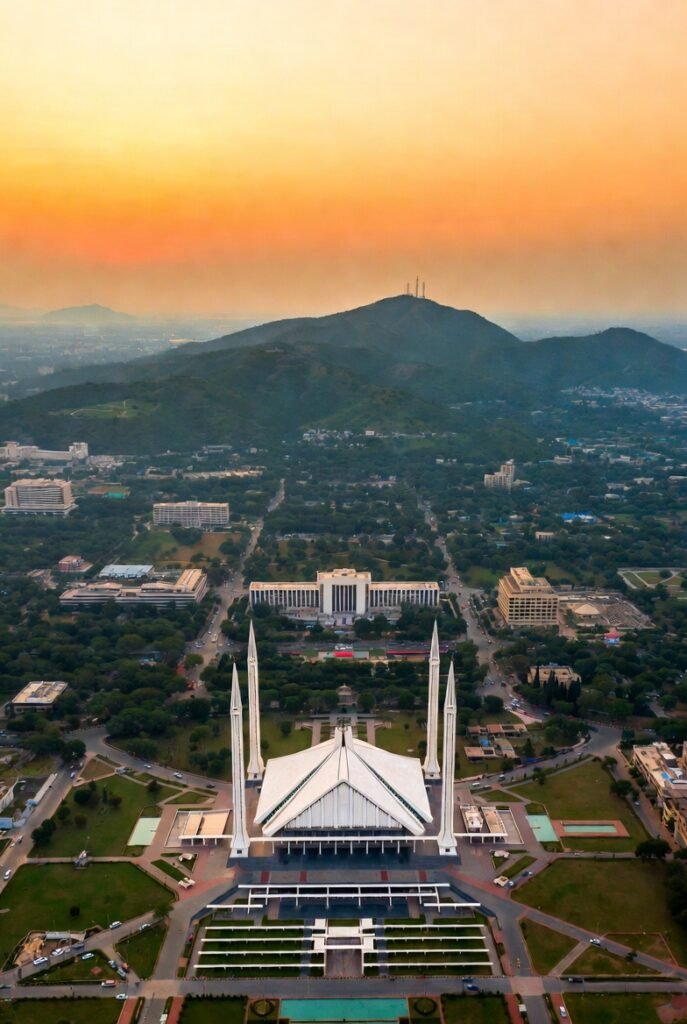
The broader global significance of European backing for the Islamabad Peace Talks should not be underestimated. The EU collectively represents one of the world’s largest economic blocs, and its willingness to offer reconstruction financing and diplomatic infrastructure gives the peace process additional legitimacy on the international stage.
For countries in the Global South that have watched the Iran-US tensions with alarm fearing wider conflict, commodity price spikes, and disrupted trade routes a Europe-backed ceasefire framework offers a signal that the world’s major powers are pulling back from the edge.
That said, analysts caution that the Islamabad Peace Talks remain in early stages. Technical negotiations over verification, prisoner exchanges, and military disengagement are complex and historically prone to collapse. European enthusiasm, however genuine, cannot substitute for the detailed, on-the-ground diplomatic work that durable peace requires.
The Europe political response conflict is a structural realignment of the Western world. As the Islamabad Peace Talks Countdown continues, the regional stability of the Euro-Med zone will depend on the “Strategic Agency” of Brussels. Staying informed on EU diplomatic reaction 2026 developments and Europe de-escalation call 2026 shifts is now essential for understanding the future of global security outlook and the political uncertainty of the “Peace Decade.”
Germany, mindful of its complex relationship with both the United States and Russia, has taken a more measured approach. Berlin supports the talks in principle but has conditioned its full endorsement on clear verification mechanisms that ensure all parties including non-state actors comply with any eventual agreement.
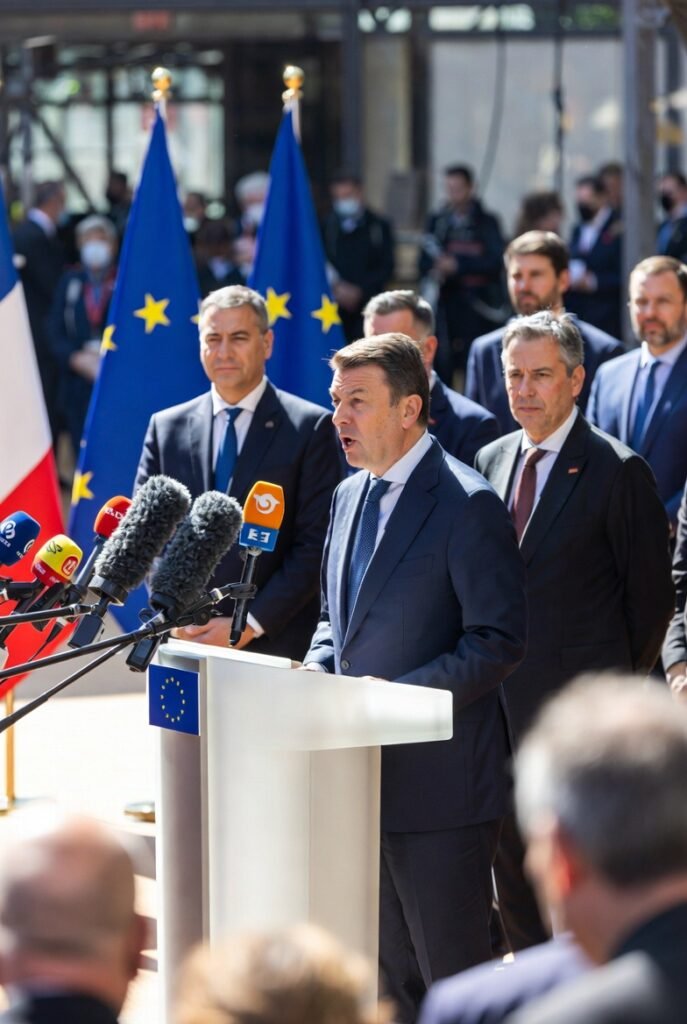
The EU’s reaction to the Islamabad Peace Talks is, at its core, a strategic bet: that dialogue now is cheaper than the economic and security costs of prolonged conflict. European leaders appear to be calculating that even an imperfect ceasefire buys time time for diplomacy to create facts on the ground that make returning to full-scale confrontation less likely.
Whether that bet pays off depends less on Brussels and more on the principals at the table in Islamabad. But Europe’s active engagement financial offers, mediation proposals, and united (if internally contested) public statements marks a meaningful departure from the continent’s more passive stance in previous crises. The world will be watching closely to see if the ‘Islamabad spirit’ of April 2026 can outlast the pressures that will inevitably test it.