
playstation plus june 2026 games
Thursday, May 20, 2026 Trusted by millions worldwide Back to News Tech PlayStation Plus Subscribers Are About to Lose Another...
Read More → Saturday, Aprail 4, 2026
Trusted by millions worldwide
The political fallout is reflected in stark polling data. According to the latest Ipsos figures, 76 percent of British adults now believe the country is heading in the wrong direction
UK political crisis 2026 The United Kingdom is in the grip of a serious UK political crisis in 2026, with Prime Minister Keir Starmer’s government facing mounting pressure on multiple fronts. Soaring energy costs linked to the ongoing Middle East conflict, record-low public satisfaction, and mounting speculation about a Labour leadership challenge have combined to create the most turbulent political moment for the ruling party since it came to power. As the May local elections approach, the question on Westminster’s lips is whether the government can restore public confidence or whether the cracks will widen into a full-scale collapse of authority.
The roots of the current instability trace back to a growing gap between government promises and the everyday experience of ordinary Britons. While the administration introduced a sweeping employment rights package in late March 2026 described by ministers as the most significant strengthening of workers’ rights in decades the timing has been overshadowed by an energy shock that is hitting household budgets hard.
The closure of the Strait of Hormuz during the second month of escalating Middle East conflict has sent energy price forecasts sharply upward across Europe. In the UK, suppliers have warned of significant bill increases, prompting widespread anger at a government that came to power on a platform of economic stability and long-term planning.
Energy costs have emerged as the single most toxic issue for the Starmer administration. Forecasts compiled from industry regulators suggest household bills could rise substantially before summer, with low-income families facing the steepest proportional impact.
In response, the government launched its Crisis and Resilience Fund (CRF) on April 1, 2026, targeting financial support at the most vulnerable households. However, critics from both opposition benches and within Labour’s own parliamentary ranks have called the measure reactive and insufficient a patch on a structural problem rather than a lasting solution.
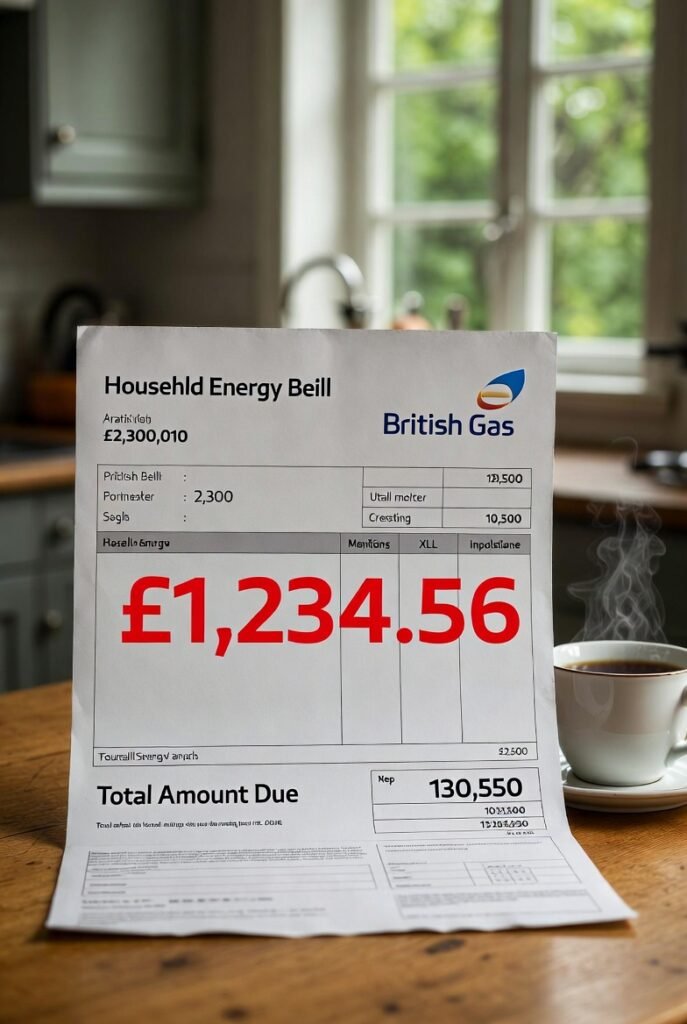
The political fallout is reflected in stark polling data. According to the latest Ipsos figures, 76 percent of British adults now believe the country is heading in the wrong direction. Satisfaction with the National Health Service has dropped to just 21 percent a historic low while record numbers of people report that they are struggling to afford their basic living costs.
Business confidence has also collapsed. The Institute of Directors’ Economic Confidence Index has fallen to a record low of -76, with more than seven in ten business leaders citing geopolitical tension as their top concern for the year ahead. Investment decisions are being delayed, hiring is slowing, and consumer spending is under pressure.
Alongside the external pressures, the Prime Minister is dealing with instability within his own Cabinet. The recent departure of several senior figures, including fresh controversy surrounding Lord Mandelson, has left Downing Street looking vulnerable. Political analysts have noted that speculation about potential successors with Health Secretary Wes Streeting among the names mentioned has gone from background whisper to mainstream commentary.
Critics from the left of the party have drawn unflattering comparisons to the Blair government’s second term, arguing that Starmer’s administration has become overly aligned with a Washington-led foreign policy agenda at a time when British voters want a more independent, domestically focused approach.
The UK’s stance on the Middle East conflict has added another layer of difficulty. The government has maintained publicly that the conflict is ‘not our war,’ while simultaneously maintaining close intelligence and security ties with the United States. This position has not satisfied anti-war protesters, who have staged demonstrations under the slogan accusing the government of being complicit in US-led military operations.
At the same time, Starmer has moved to strengthen ties with the European Union, signalling a closer partnership on electricity markets and carbon emissions policy. Supporters see this as a pragmatic economic anchor during a period of global uncertainty. Detractors argue it is a late and insufficient pivot after years of post-Brexit drift.
The backdrop to all of this is the approaching May 2026 local elections. Polling points to a difficult night for Labour in several key councils. In Scotland, the SNP is on course for strong gains. In Wales, Welsh Labour faces what internal party strategists have privately described as a historically challenging set of results.
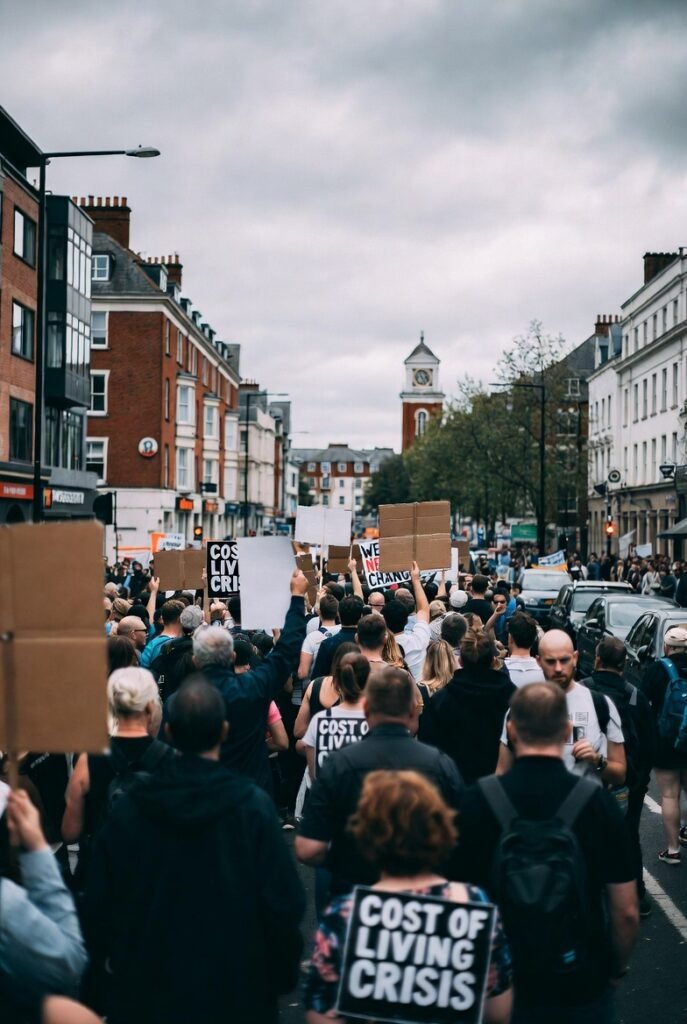
Economists and political commentators point to several factors that could stabilise the government’s position. A de-escalation of the Middle East conflict that brings energy prices back down would remove the most immediate source of public anger. A credible, well-funded package of cost-of-living support ahead of the May elections could demonstrate that the government is listening.
Longer-term, the administration’s ability to show measurable progress on NHS waiting times consistently the public’s top domestic priority will be central to any recovery in approval ratings.
The UK political crisis of 2026 is not simply a matter of bad polling numbers. It reflects a deeper question about whether this government has the political capital, the policy tools, and the internal unity to navigate a prolonged period of global economic turbulence. The decisions made in the coming weeks on energy support, on foreign policy positioning, and on internal party management will likely determine whether Starmer remains in post heading into 2027.
For now, the British public is watching and waiting. The Prime Minister’s Easter message called for ‘community over division.’ Whether those words translate into meaningful action on the issues that matter most to voters will define the next chapter of British politics.

On this April 4, 2026, the UK Political Leadership Crisis is more than just a polling slump; it is a test of whether the British parliamentary system can withstand a “Permacrisis” environment. The UK government under pressure 2026 must choose between radical economic intervention or a slow slide into political irrelevance. As the Prime Minister insists that “this time will be different,” the British public remains skeptical, waiting to see if the “stronger and more secure nation” promised in Downing Street transcripts will ever materialize on the high street.