
playstation plus june 2026 games
Thursday, May 20, 2026 Trusted by millions worldwide Back to News Tech PlayStation Plus Subscribers Are About to Lose Another...
Read More → Friday, Aprail 3, 2026
Trusted by millions worldwide
US political crisis 2026 Both the Dow Jones Industrial Average and the S&P 500 experienced correction territory in the first quarter of 2026, as investors priced in uncertainty around federal contracting, regulatory rollbacks, and a fast-changing foreign policy outlook
The US political crisis of 2026 has moved well beyond routine Washington turbulence. As of April 2026, a sweeping White House shakeup is simultaneously reshaping the federal workforce, testing the limits of executive power, and unsettling financial markets. From the controversial expansion of the Department of Government Efficiency (DOGE) to mounting legal battles with the Supreme Court, the administration’s bold restructuring agenda is generating both fierce support and fierce opposition and Americans on both sides are paying close attention.
The current wave of federal restructuring began in early 2026 as the Trump administration accelerated its campaign to drastically reduce the size of the federal government. Central to this effort is the Department of Government Efficiency, an advisory body led by prominent tech entrepreneurs tasked with identifying and eliminating what the administration calls “wasteful” federal programs and redundant roles.
DOGE’s proposed Reduction in Force (RIF) plan targets a significant portion of the non-partisan federal workforce. Supporters argue it will modernize a bloated bureaucracy. Critics, including former senior officials and bipartisan policy experts, warn that removing experienced civil servants disrupts essential government functions ranging from national security analysis to public health oversight.

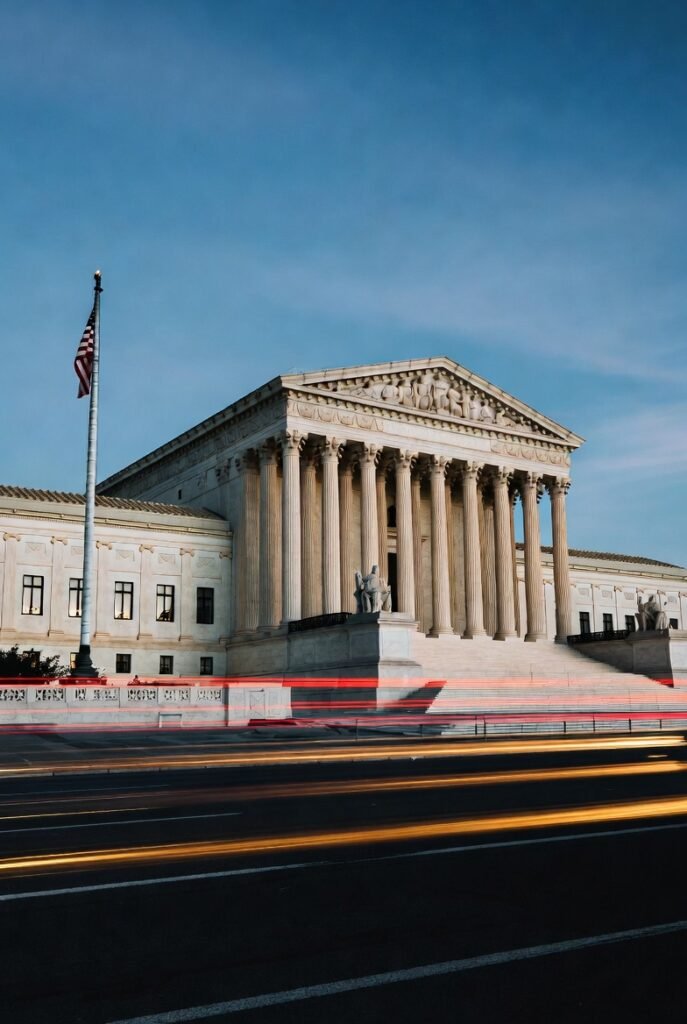
One of the most closely watched dimensions of the current US government instability is the escalating confrontation between the White House and the federal judiciary. The Supreme Court is actively reviewing several challenges to the administration’s use of emergency executive powers.
At the center of the legal debate is whether the administration can lawfully redirect Congressional appropriations toward executive priorities specifically, the proposed “Golden Dome” missile defense initiative and the continued restructuring of the Department of Homeland Security. Legal scholars across the political spectrum have described these moves as a significant test of the constitutional separation of powers.
The Senate has also been in direct conflict with the White House over the appointment of “Acting” department heads, arguing that circumventing the confirmation process undermines legislative oversight. Several lawsuits from bipartisan coalitions of state attorneys general are currently pending in federal courts.
The political turbulence is not confined to Washington it is being felt in household budgets and investment portfolios across the country. Wall Street has responded to the administration’s unpredictable policy environment with increased volatility.
Both the Dow Jones Industrial Average and the S&P 500 experienced correction territory in the first quarter of 2026, as investors priced in uncertainty around federal contracting, regulatory rollbacks, and a fast-changing foreign policy outlook. Analysts cite the government restructuring as a contributing factor to declining business confidence in sectors heavily dependent on federal contracts, including defense, healthcare, and infrastructure.
The political shakeup has triggered a measurable surge in civic engagement. Grassroots protest movements, particularly among younger voters, have organized under slogans demanding transparency and constitutional accountability. Demonstrations have taken place in dozens of major cities since February 2026, with organizers citing concerns about democratic norms and institutional independence.
Polling data from early 2026 shows that public confidence in the federal government has reached historically low levels, with surveys indicating widespread concern about the pace and nature of institutional change. However, the same polls reflect a polarized electorate: a significant portion of respondents particularly in Republican-leaning districts express support for the administration’s restructuring goals.
Political analysts increasingly view the 2026 midterm elections as a critical referendum on the administration’s direction. Both major parties are recalibrating their messaging in response to the volatile political environment.
Regardless of where one stands politically, the following developments will shape the trajectory of the US political crisis in the weeks and months ahead:

The White House controversy 2026 is a structural realignment that will define international relations and domestic policy for a generation. As the US leadership shakeup continues, the public trust decline will force both political parties to rethink their strategies for the 2026 midterms. Staying informed on administrative reshuffle updates and institutional conflict is now essential for understanding the future of global stability.
On this April 3, 2026, the White House Shakeup 2026 stands as a testament to the fragile state of American democracy. The US government crisis 2026 is no longer a temporary hurdle; it is a structural transformation of the state itself. Whether this political turmoil United States leads to a more efficient, “common sense” government or a total breakdown of the federal system will be the defining question of the 2026 midterms. The “American experiment” is currently being tested like never before.