
playstation plus june 2026 games
Thursday, May 20, 2026 Trusted by millions worldwide Back to News Tech PlayStation Plus Subscribers Are About to Lose Another...
Read More → Friday,Aprail 3, 2026
Trusted by millions worldwide
The evolution of Russia-Iran military ties is relevant to anyone tracking Middle East security in 2026. For Israel and Gulf Arab states, closer Russian-Iranian defence cooperation raises concerns about the long-term capability trajectory of Iranian forces.
Russia Iran military alliance 2026 The military relationship between Russia and Iran has become one of the most closely watched geopolitical developments of 2026. As conflict in the Middle East continues and Western sanctions on both Moscow and Tehran remain in force, analysts are asking whether what began as an arms-trading relationship has deepened into something more strategically significant. Understanding the Russia-Iran military alliance in 2026 its scope, its limits, and what it means for regional stability requires cutting through considerable noise
For much of the post-Soviet era, Russia and Iran maintained a transactional relationship built around weapons sales and shared opposition to American influence in the Middle East. That arrangement has changed in measurable ways since 2022.
The most documented shift involves drone technology. Iranian-designed Shahed-series loitering munitions were widely reported as components of Russian military operations in Ukraine, a development that Western governments publicly condemned and Iran initially denied before later acknowledging limited transfers. In exchange, Iran is reported to have received Russian technical assistance across several defence sectors.
By early 2026, analysts at major policy research institutions describe the relationship as having moved beyond simple transactional exchanges. Regular high-level military delegations, joint technical working groups, and an accelerated pace of bilateral agreements point to a more structured partnership though not a formal military alliance in the legal sense.
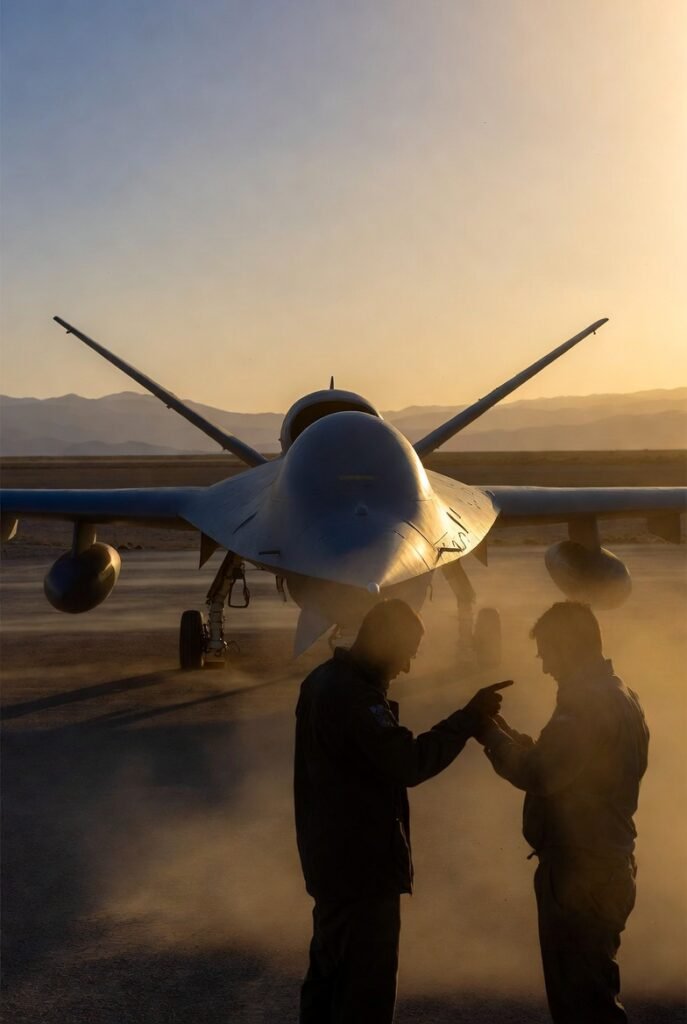
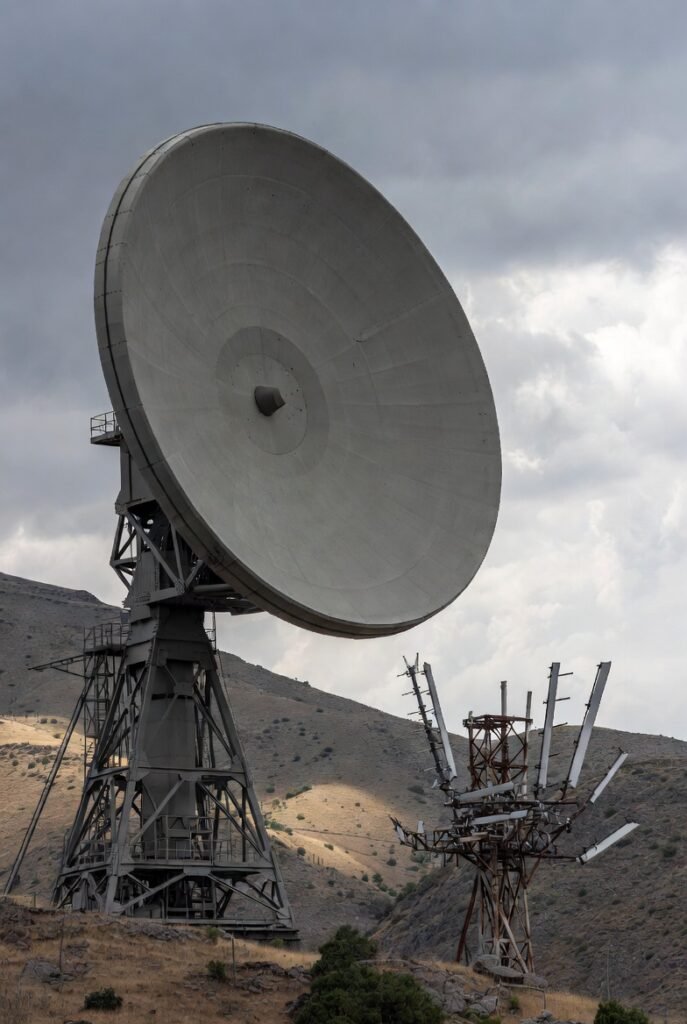
Credible reporting from 2025 and early 2026 indicates that Russia has shared radar and electronic warfare technologies with Iran, helping Tehran upgrade air defence networks that date back to the Soviet era. The scale and precise specifications of these transfers remain difficult to verify independently, but satellite imagery and import records reviewed by open-source analysts have shown consistent patterns of equipment movement through the Caspian corridor.
Reports of a joint production line for an upgraded variant of the Shahed drone featuring Russian navigation components have circulated since late 2025. Neither government has officially confirmed this arrangement. Western intelligence assessments leaked to media outlets in early 2026 suggest the cooperation is ongoing but describe it as commercially structured rather than a strategic military integration.
Perhaps the most sensitive claim in circulation concerns intelligence sharing. Several Western officials have alleged that Russian satellite and signals intelligence data has been made available to Iranian commanders, particularly relating to the movement of opposing forces. Russia has denied providing operational military intelligence to any party in the Middle East conflict. Independent verification of these specific claims remains limited.
Russian-manufactured electronic warfare equipment has been observed at locations in Iran, including near facilities of strategic importance. Analysts have noted that Russia has significant experience operating such systems and that their presence in Iran may be tied to maintenance contracts, technical advisory roles, or a combination of both. The line between technical support and active operational involvement is difficult to draw from open sources.
Russia’s interest in deepening ties with Iran is not difficult to understand in strategic terms. With its military resources focused on the European theatre, Moscow benefits from any development that draws American and allied attention, funding, and weapons stockpiles toward the Middle East. A more capable Iranian defence force serves that interest without requiring direct Russian military engagement.
There is also an economic dimension. Facing extensive Western sanctions, Russia and Iran have developed alternative trade channels, including through the Caspian Sea and overland routes through Central Asia. Defence cooperation is one component of a broader economic realignment that both governments have pursued since 2022.
It is important not to overstate the coherence or depth of the Russia-Iran partnership. The two governments have significant differences on regional issues, including Syria, where their interests have not always aligned. Iran operates independently on questions of doctrine, and Iranian military planning is not coordinated with Moscow in the way that NATO allies coordinate with one another.
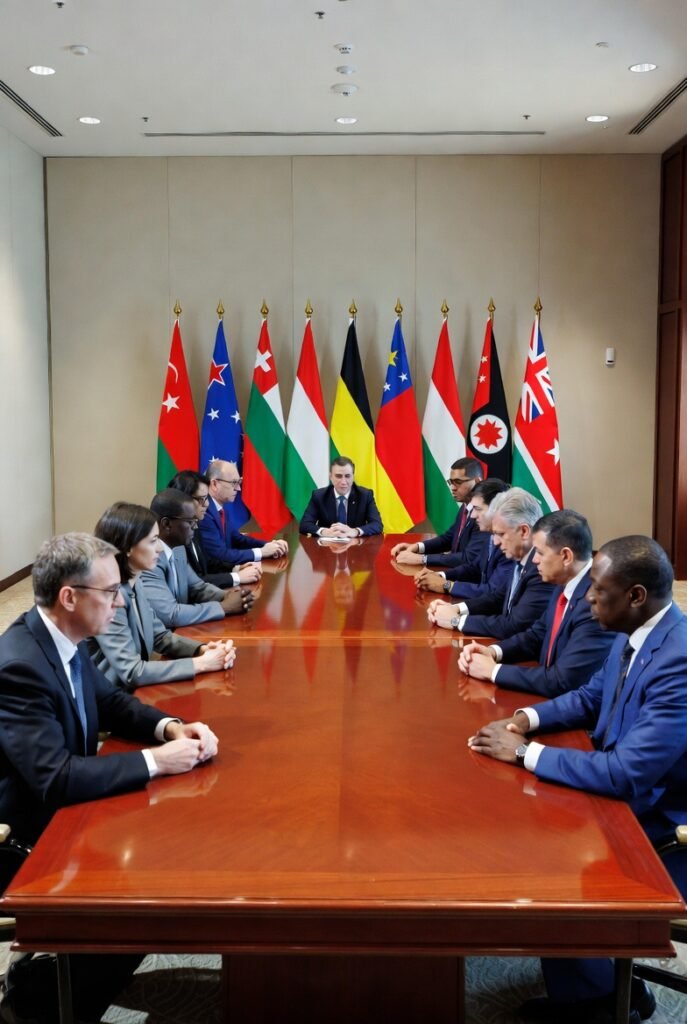
The evolution of Russia-Iran military ties is relevant to anyone tracking Middle East security in 2026. For Israel and Gulf Arab states, closer Russian-Iranian defence cooperation raises concerns about the long-term capability trajectory of Iranian forces. For the United States and its allies, it represents an additional variable in an already complex strategic environment.
For Western policymakers, the challenge is to respond to documented cooperation through targeted pressure sanctions, export controls, diplomatic engagement with third parties who facilitate transfers without escalating to a confrontation neither side can manage.
The Russia Iran strategic partnership 2026 is a structural realignment that will define international relations for the next decade. As Russia intelligence support Iran continues to evolve, the global power shift will force the US and its allies to rethink their containment strategies. Staying informed on Iran Russia defense collaboration and Russia indirect support Iran war is now essential for understanding the future of global stability.
Beyond the deployment of hardware, the Russia Iran Military Strategy 2026 is anchored by the ‘Caspian Digital & Kinetic Corridor.’ This localized supply chain has effectively rendered Western maritime blockades obsolete by utilizing internal waterways that are unreachable by US naval assets. As of April 3, 2026, this corridor is not just transporting raw materials, but is functioning as a ‘Joint Innovation Hub’ where Russian aerospace engineers and Iranian drone specialists are co-developing the next generation of AI-driven autonomous swarms
On this April 3, 2026, the Russia Iran Military Strategy 2026 has redefined the limits of regional conflict. Moscow is no longer a bystander; it is the “invisible hand” ensuring that Iran remains a potent challenger to Western interests. As the Russia Middle East strategy 2026 unfolds, the world must realize that the war in the Middle East is not a localized eventit is a frontline in a much larger, global struggle for the new world order 2026.