playstation plus june 2026 games
Thursday, May 20, 2026 Trusted by millions worldwide Back to News Tech PlayStation Plus Subscribers Are About to Lose Another...
Read More → Thursday, Aprail 2, 2026
Trusted by millions worldwide
China global strategy 2026 Beijing continues to advance its ‘Dual Circulation’ economic model simultaneously boosting domestic consumption to reduce vulnerability to Western sanctions while expanding its export footprint globally
China global strategy 2026 China’s global strategy in 2026 has moved well beyond infrastructure loans and factory exports. Under President Xi Jinping, Beijing is now operating as what analysts describe as a ‘global architect’ methodically building systems of economic dependency, diplomatic leverage, and technological influence that span every continent. Understanding this strategy is no longer optional for policymakers, investors, or informed citizens.
The Belt and Road Initiative (BRI), launched in 2013, has undergone a fundamental transformation by 2026. The original vision of ports, highways, and railways has evolved into what Beijing calls ‘BRI 2.0’ a second phase focused on digital infrastructure, clean energy, and strategic technology partnerships.
China has positioned itself as the primary provider of digital backbone infrastructure across much of the Global South. This includes subsea internet cables, 5G and emerging 6G networks, cloud computing platforms, and AI-enabled surveillance systems. In exchange for competitive financing, dozens of countries are integrating Chinese-built digital ecosystems creating what critics in Washington call ‘technological dependency.’
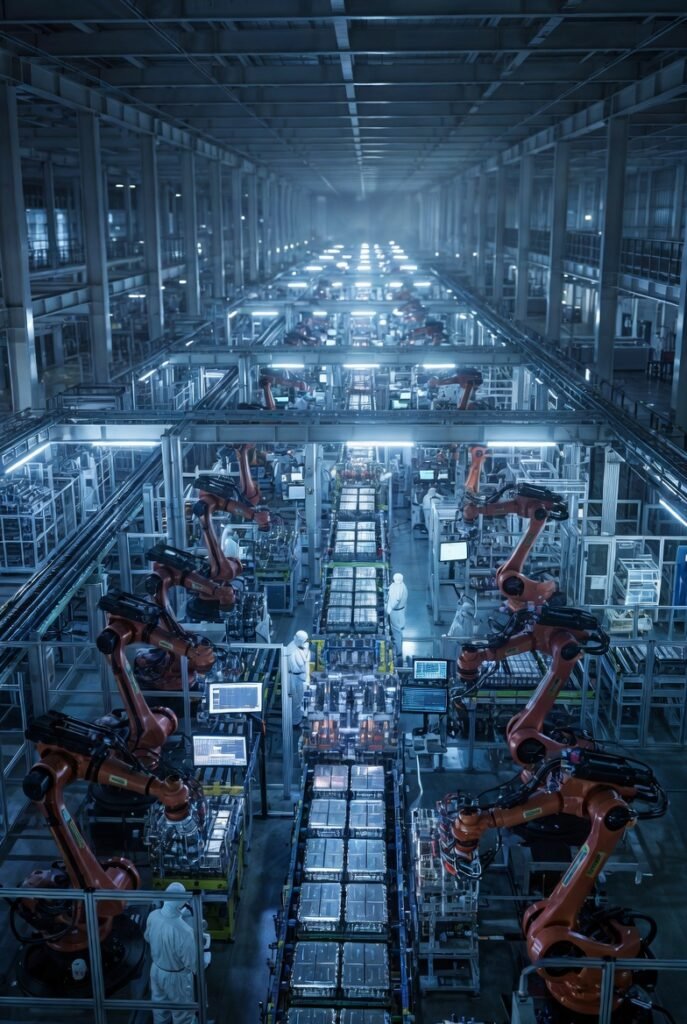
China’s dominance in clean energy manufacturing is one of the most consequential aspects of its 2026 global strategy. Chinese companies control a significant majority of global solar panel production and electric vehicle battery manufacturing a position that gives Beijing structural leverage over the world’s net-zero transition. As Western governments race toward emissions targets, their dependence on Chinese supply chains for solar modules, lithium-ion batteries, and rare earth minerals has deepened, not lessened.

The rivalry between China and the United States has entered what security analysts now describe as a phase of ‘managed competition.’ Neither side appears willing to escalate into direct military confrontation, but the battle for influence in Southeast Asia, Africa, and Latin America is intensifying on economic and diplomatic fronts.
A key difference in approach: Washington historically attaches political and governance conditions to development loans through institutions like the IMF and World Bank. Beijing, through its BRI financing and bilateral deals, typically does not making Chinese investment more attractive to governments that resist external political scrutiny.
This dynamic has helped China expand its footprint in regions where Western influence has traditionally been dominant. The Regional Comprehensive Economic Partnership (RCEP), led by China, has also grown into one of the world’s largest trade blocs by value, reshaping Asia-Pacific trade flows in ways that favour Beijing’s economic model.
Beijing’s economic strategy in 2026 is built on what trade economists call ‘asymmetric dependency’ engineering a global trade structure in which key industries worldwide rely on Chinese intermediate goods, components, or raw materials. This gives China negotiating leverage that extends far beyond traditional diplomacy.
Beijing continues to advance its ‘Dual Circulation’ economic model simultaneously boosting domestic consumption to reduce vulnerability to Western sanctions while expanding its export footprint globally. The goal is an economy that can sustain itself internally even if cut off from Western markets, while continuing to supply goods that the rest of the world cannot easily source elsewhere.
China’s push to internationalize the Renminbi (RMB) has made measured but notable progress. A growing share of energy trade particularly between China, Russia, and some Gulf states is now settled in RMB rather than US dollars. While the dollar remains the undisputed global reserve currency, this trend represents a slow, structural challenge to dollar dominance that Western central banks are monitoring closely.
China’s foreign policy in 2026 is not without significant risks and contradictions. The ‘No Limits’ partnership declared with Russia in February 2022 has placed Beijing in an awkward position as the Ukraine conflict drags on officially neutral, but diplomatically entangled.
Relations with the European Union have grown more transactional and strained. The EU’s own economic security strategy, published in 2023 and expanded since, explicitly names China as both a partner and a systemic rival a dual framing that creates friction in trade negotiations.
However, Beijing has scored a significant diplomatic achievement by positioning itself as a mediator in the Middle East. Its 2023 brokering of the Saudi-Iran normalization deal, and subsequent involvement in regional dialogue, has given China credibility as a peace broker that the US more deeply identified with regional allies has struggled to match.
In the first quarter of 2026, several developments reinforced the trajectory of China’s global strategy:
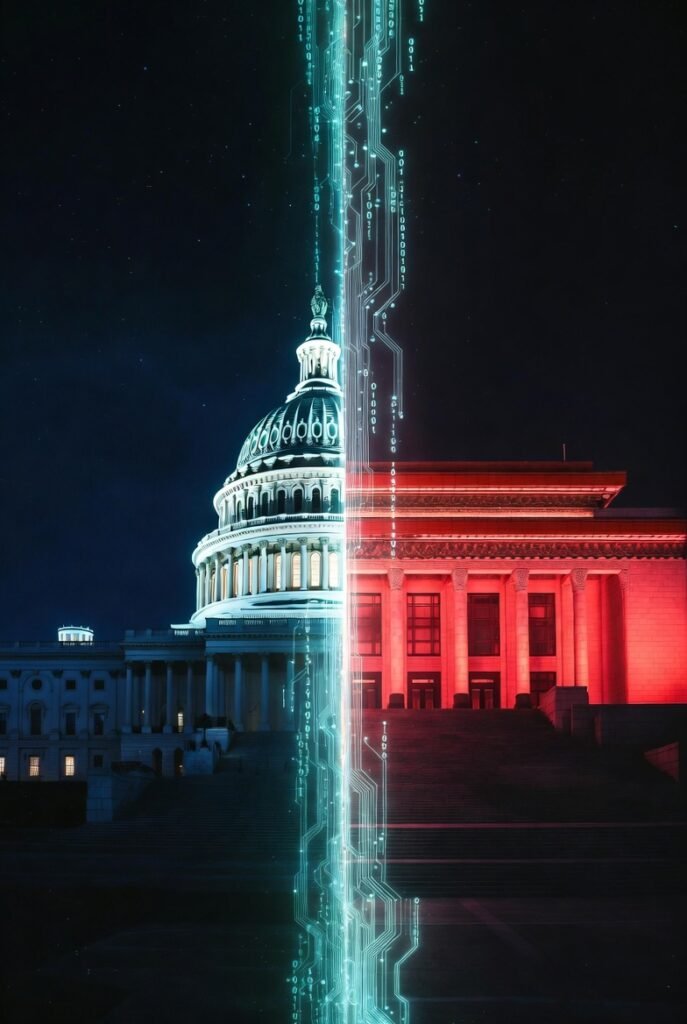
China’s global strategy in 2026 is not the story of a country on the verge of replacing the United States as the world’s sole superpower. It is something more nuanced and, arguably, more durable: a country embedding itself so deeply into global supply chains, digital infrastructure, and trade frameworks that its influence becomes structural rather than symbolic.
For businesses, policymakers, and citizens in every region, understanding where Chinese capital, technology, and diplomatic effort are flowing is no longer a matter of geopolitical curiosity. It is a practical necessity for navigating the decade ahead.
On this April 2, 2026, the China Global Power Strategy 2026 is a masterclass in patient, calculated expansion. China is not looking to replace the US in a 1:1 ratio; it is looking to create a world where its influence is so deeply embedded that it becomes invisible and indispensable. As the global power shift accelerates, the world must decide whether to compete, cooperate, or succumb to the new reality of a China-centric global order.