
playstation plus june 2026 games
Thursday, May 20, 2026 Trusted by millions worldwide Back to News Tech PlayStation Plus Subscribers Are About to Lose Another...
Read More → Thursday, Aprail 2, 2026
Trusted by millions worldwide
polotics
If an election were called, analysts suggest the result could produce the most fragmented Parliament in decades with centrist, regional, and independent candidates making notable gains.
Britain is facing one of its most turbulent periods in recent memory. The UK economic crisis of 2026 has moved beyond warning signs and into hard statistical reality with official figures confirming a technical recession, inflation refusing to fall to target, and a government struggling to hold together under mounting political pressure. For anyone trying to understand what is happening in the United Kingdom right now, this article breaks it down clearly.
The Office for National Statistics (ONS) confirmed in its latest release that the UK economy contracted for a second consecutive quarter. A back-to-back quarterly contraction is the standard definition of a technical recession and Britain now meets that threshold.
The GDP decline, though modest at around 0.2% per quarter, reflects broader structural weaknesses: sluggish consumer spending, reduced business investment, and ongoing disruption in trade flows. For ordinary households, the numbers translate into something more immediate fewer jobs being created, wages that feel like they go less far, and businesses pulling back on expansion.
Economists point to several factors working simultaneously. Persistently high interest rates set by the Bank of England have dampened mortgage lending and slowed the housing market significantly. At the same time, elevated energy costs driven partly by ongoing instability in global oil markets have continued to squeeze manufacturers and logistics firms across the country.

The Bank of England’s inflation target is 2%. As of early 2026, the UK inflation rate has remained well above this level, hovering in the range of 4% to 5%. This so-called ‘sticky inflation’ is proving resistant to the interest rate increases the Bank has already implemented.
The persistence of inflation is largely tied to services prices and food costs, both of which have failed to normalise following the supply chain disruptions of recent years. For consumers, this means the cost of living crisis that began several years ago has not eased in any meaningful way. Real wages earnings adjusted for inflation remain under pressure for much of the working population.
The Bank of England’s Monetary Policy Committee has signalled that rate cuts are on the table but only once inflation shows a sustained downward trend. With rates currently at a restrictive level, borrowers holding variable-rate mortgages or personal loans are continuing to feel the squeeze. Many analysts expect the first meaningful rate reduction to arrive in the second half of 2026, but this is far from guaranteed.
A recession is difficult to manage under any government. It becomes significantly harder when that government is internally divided. The current political situation in Westminster adds a layer of unpredictability that financial markets and international investors are watching closely.
Reports of cabinet-level disagreements over economic strategy have become increasingly frequent. The core tension lies between those who want to reduce the budget deficit through spending restraint and those who believe targeted investment is needed to stimulate growth. Neither side has won the argument decisively, resulting in a policy environment that has been described by multiple commentators as reactive rather than strategic.
Speculation about a snap election has intensified in recent months. Polling consistently shows public approval of the current government at historic lows, and opposition parties have capitalised on this with calls for an early vote. While no formal announcement has been made, the political arithmetic inside Westminster is shifting. A significant number of backbench MPs are reportedly pressing for a leadership review.

The government has not been entirely passive. Several targeted measures have been introduced to address specific areas of economic stress.
Critics argue these measures are too narrow to address the underlying structural problems. Supporters say they demonstrate a pragmatic, targeted response to immediate pressures without blowing out the deficit further. The debate reflects the broader disagreement that defines British economic policy in 2026.
Behind every headline statistic is a real-world impact. Millions of UK households entered 2026 already stretched by two years of elevated costs. The confirmation of a recession adds job security anxiety to the list of existing pressures.
According to consumer research, a significant proportion of households now describe themselves as financially vulnerable meaning a single unexpected expense, such as a boiler breakdown or a car repair, could push them into debt. Food bank usage, though not a government statistic, has continued to rise according to charitable organisations operating across the country.
The housing market has not crashed but it has stalled. Transaction volumes are down significantly from peak levels, and house prices in many regions have seen modest nominal declines. For would-be buyers, the combination of high prices and high mortgage rates has effectively locked them out of homeownership. For those already on the property ladder, negative equity is a concern in pockets of the market, particularly in areas that saw the sharpest price rises during 2020 to 2022.
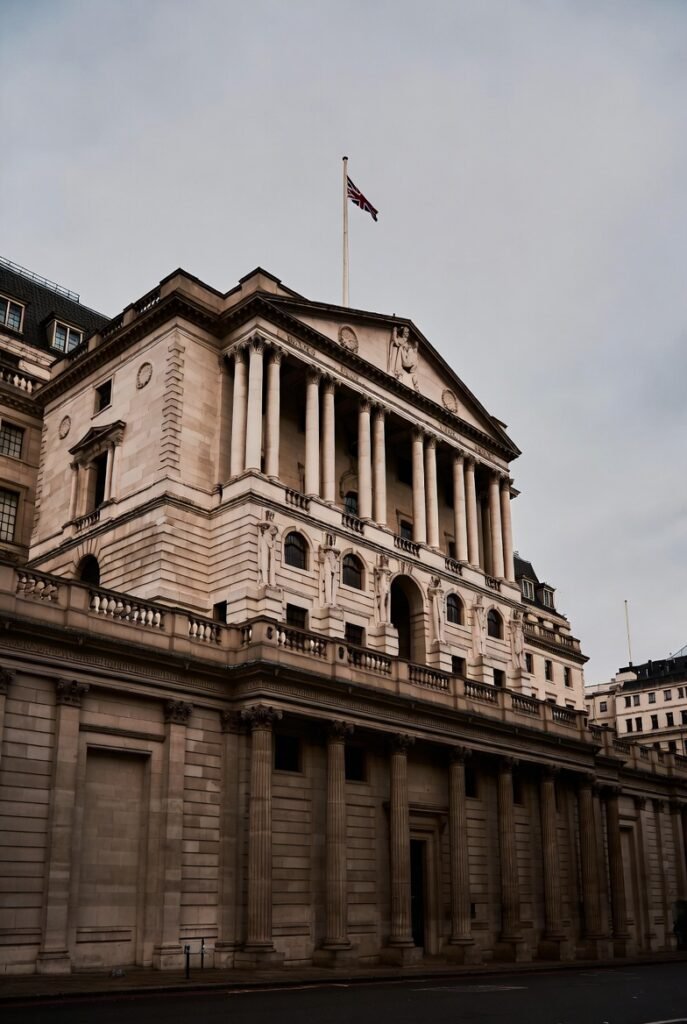
The next several months will be decisive for the United Kingdom. Three things will determine whether the outlook improves or deteriorates further.
None of these outcomes is guaranteed. What is certain is that the decisions made in Westminster and at the Bank of England over the coming months will shape the UK’s economic trajectory for years to come.
The UK economic pressure 2026 has exposed the structural vulnerabilities of the post-Brexit economy. On this April 2, 2026, the United Kingdom is a nation in search of a narrative. Whether the current UK leadership crisis 2026 results in a new Prime Minister or a total change in government response, the economic reality of $100 oil and 5% inflation will remain the primary adversary. The “Spring of Discontent” is here, and the political cost of failure has never been higher.