
playstation plus june 2026 games
Thursday, May 20, 2026 Trusted by millions worldwide Back to News Tech PlayStation Plus Subscribers Are About to Lose Another...
Read More → Wednesday , Aprail 1, 2026
Trusted by millions worldwide
Despite cautious optimism in diplomatic corridors, several serious obstacles threaten to unravel the peace framework before it can take hold.
US-Iran ceasefire talks 2026 US-Iran ceasefire talks in 2026 have entered a critical phase, with diplomatic backchannel activity accelerating significantly through March. After five weeks of sustained military operations under what the Pentagon has called ‘Operation Epic Fury,’ the Trump administration signaled in late March that a wind-down of direct strikes could come within two to three weeks provided that key conditions set by Washington are met. For global markets, regional governments, and millions of civilians caught in the crossfire, the next fortnight may prove decisive.
The current US-Iran military confrontation began on February 28, 2026, following a series of escalating incidents in the Persian Gulf and a breakdown of indirect nuclear negotiations. The United States, coordinating with Israeli air assets, launched precision strikes on what officials described as Iran’s nuclear command infrastructure and ballistic missile production sites.
Within the first two weeks, both sides suffered significant losses. Iran’s retaliatory actions included drone campaigns targeting energy infrastructure in Kuwait and cyber operations against financial networks in the United States and Europe. By mid-March, the Strait of Hormuz through which roughly 20 percent of global oil supply passes had become partially contested, sending crude oil prices toward the $100-per-barrel threshold.
Despite early losses of senior IRGC commanders, Iranian forces shifted to asymmetric, or ‘grey zone,’ tactics that blunted the initial US advantage. Houthi missile launches from Yemen, proxy drone strikes from Iraq-based militias, and sophisticated cyberattacks on US tech firms created a multi-front pressure campaign that Pentagon planners acknowledged had stretched operational planning timelines.
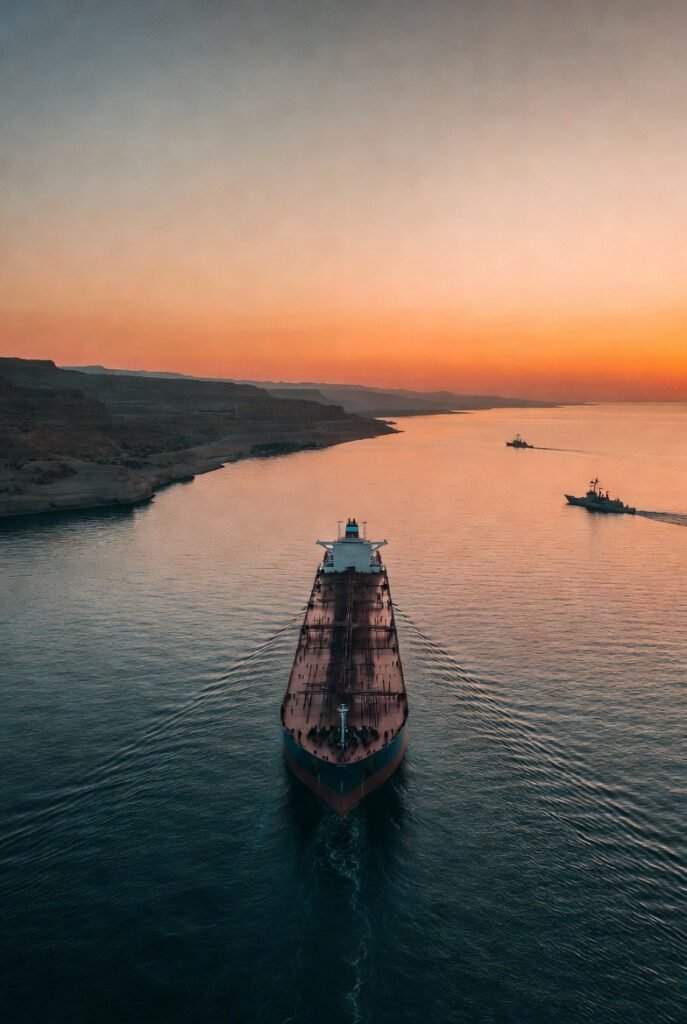
The most credible path to a ceasefire has emerged from an unexpected coalition: Pakistan, Türkiye, Saudi Arabia, and Egypt — referred to in diplomatic circles as the ‘Four-Nation Mediation Bloc.’ These four countries have established a backchannel framework in Islamabad that both Washington and Tehran have quietly endorsed as a legitimate forum.
According to sources familiar with the talks, the proposed framework rests on three pillars:
Despite cautious optimism in diplomatic corridors, several serious obstacles threaten to unravel the peace framework before it can take hold.
Israeli Prime Minister Benjamin Netanyahu has publicly stated that Israel will continue strikes on IRGC naval and missile assets regardless of any US-brokered pause. This position creates a fundamental tension: any ceasefire agreement that the US endorses could be immediately undermined by Israeli military action, potentially reigniting Iranian retaliation and collapsing the Islamabad framework.
Throughout March, President Trump repeatedly expressed frustration with European NATO allies for their limited direct military involvement in the Persian Gulf operations. His threats of potential US withdrawal from NATO obligations in the theater if burden-sharing is not addressed have added another layer of unpredictability to an already volatile situation and complicated coordination with European partners.
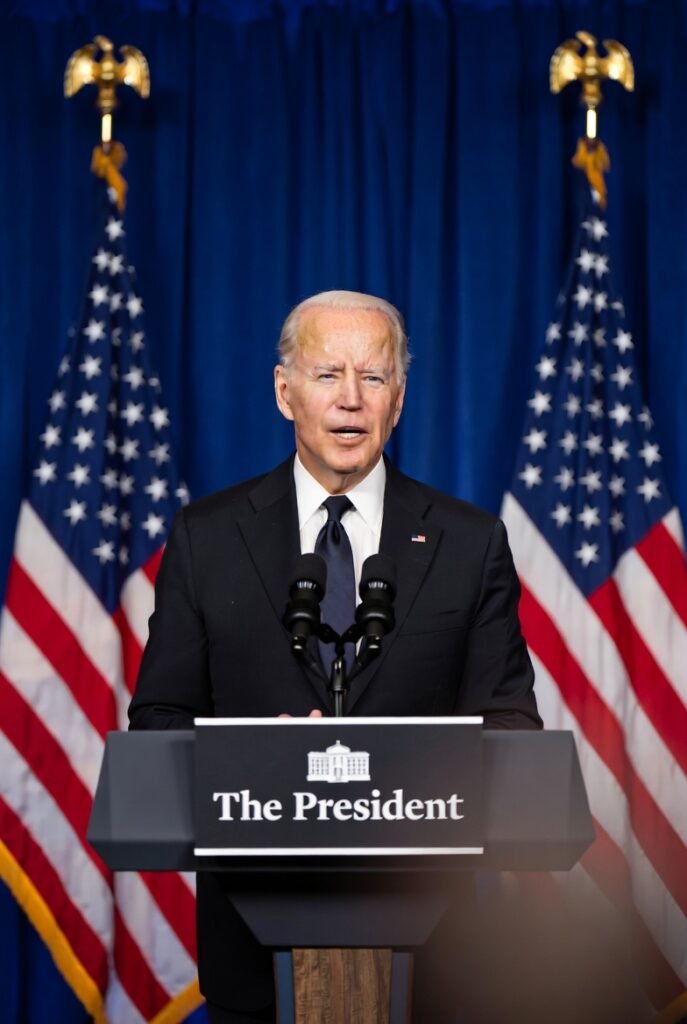
Despite high-level diplomatic activity, ground-level hostilities have not paused. Houthi forces fired ballistic missiles toward Red Sea shipping lanes as recently as late March, while Iranian-aligned militias in Iraq targeted a US logistics base near Erbil. These ‘spoiler’ attacks reflect the challenge of controlling a multi-actor conflict even when the two main parties inch toward an agreement.
The economic ripple effects of the US-Iran conflict have been felt globally. Crude oil prices hovered near $100 per barrel through most of March a level that economists warn is politically unsustainable for the United States ahead of mid-term election cycles. The partial closure of the Strait of Hormuz forced multiple large tanker operators to reroute around the Cape of Good Hope, adding 10–14 days to voyage times and sharply raising shipping insurance premiums.
When ceasefire signals emerged from Washington in late March, oil futures markets responded immediately: Brent crude dropped below $100 in intraday trading a sign that financial markets are pricing in a meaningful probability of diplomatic resolution. However, analysts at several major investment banks caution that prices could spike sharply if negotiations collapse.

The coming two weeks represent the most significant diplomatic window since the conflict began in late February. The US-Iran ceasefire talks of 2026, mediated through the Islamabad track, have produced a credible framework but frameworks do not automatically become agreements.
For the de-escalation to hold, three things must happen simultaneously: Washington must secure Israeli agreement to pause strikes, Tehran must demonstrate a willingness to withdraw naval assets from contested zones, and the Four-Nation Bloc must hold its mediation coalition together against internal pressures. None of these outcomes is guaranteed.
What is certain is that the tone coming from Washington in the final days of March 2026 represents the clearest pivot away from escalation since Operation Epic Fury began. Whether it translates into a durable ceasefireor a temporary pause before a new phase of conflict will define the geopolitical story of this year.
While the headline Is Iran War ending soon? cannot yet be answered with a definitive “yes,” the US strategy shift Iran conflict is the strongest indicator of peace since the war began on February 28. Today’s peace signals have already caused oil prices to dip below $100, reflecting a market that is betting on diplomacy over destruction. The next 14 days will determine if 2026 is remembered as the year of the “Great Middle East War” or the year of a historic “Great Settlement.”