
playstation plus june 2026 games
Thursday, May 20, 2026 Trusted by millions worldwide Back to News Tech PlayStation Plus Subscribers Are About to Lose Another...
Read More → Wednesday,Aprail 1, 2026
Trusted by millions worldwide
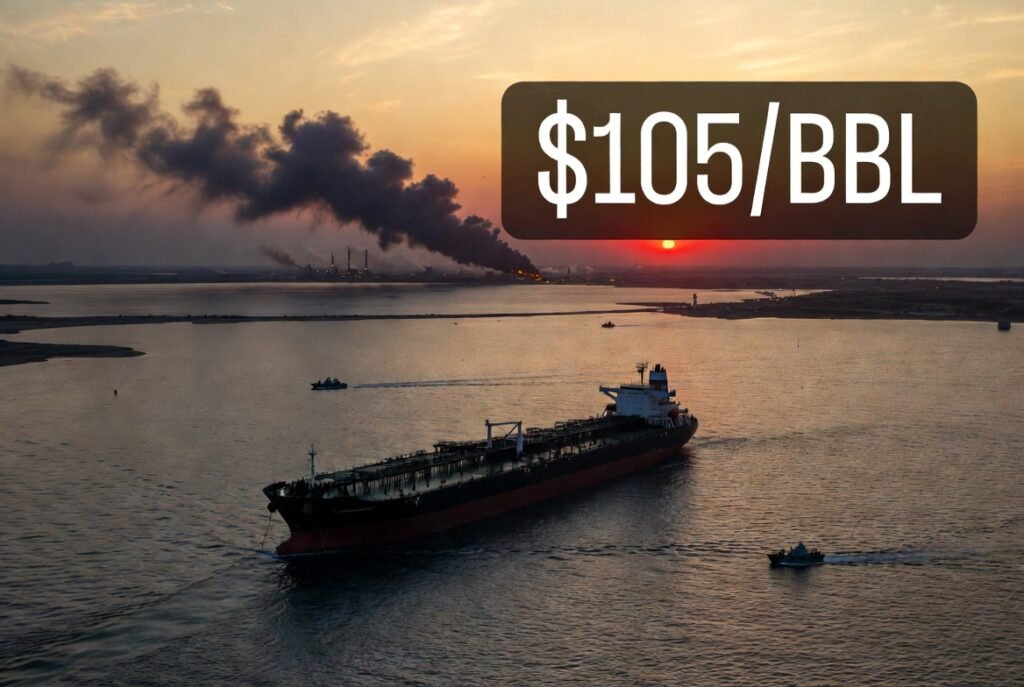
Here is a comprehensive breakdown of how the crisis unfolded through Q1 2026, what it means for global supply chains, and what experts believe will happen next
The Middle East oil crisis of 2026 has rapidly evolved from a regional conflict into one of the most serious threats to the global economy in recent decades. With crude oil prices surging past $100 per barrel and the Strait of Hormuz facing severe disruption, economists and energy analysts are warning that the world may be entering a period of sustained stagflation a toxic combination of stagnant growth and rising prices.
Tensions in the Middle East escalated sharply throughout January and February 2026, as targeted strikes on energy infrastructure began disrupting oil output across the Persian Gulf region. By March, the situation had reached a critical threshold.
The International Energy Agency (IEA) confirmed in its March 2026 monthly report that effective disruptions to oil flows through the Strait of Hormuz a chokepoint through which roughly 20% of global oil passes daily had triggered the largest supply-side shock since the 1973 Arab oil embargo.
According to energy data firms tracking OPEC production, collective output from member states fell by more than 7 million barrels per day (bpd) by March 2026 the lowest level since the COVID-19 demand crash of 2020.
The cumulative global oil supply disruption now exceeds 12 million bpd, factoring in damage to at least 40 major energy facilities across the region. Non-OPEC producers, including the United States and Norway, have ramped up output to compensate, but analysts say the gap is simply too large to bridge quickly.

Brent crude crossed the $100 per barrel threshold in early March 2026 for the first time since 2022. Several major investment banks have now revised their year-end forecasts, with some projecting prices could reach $130–$150 per barrel if the blockade of key shipping lanes continues through Q2.
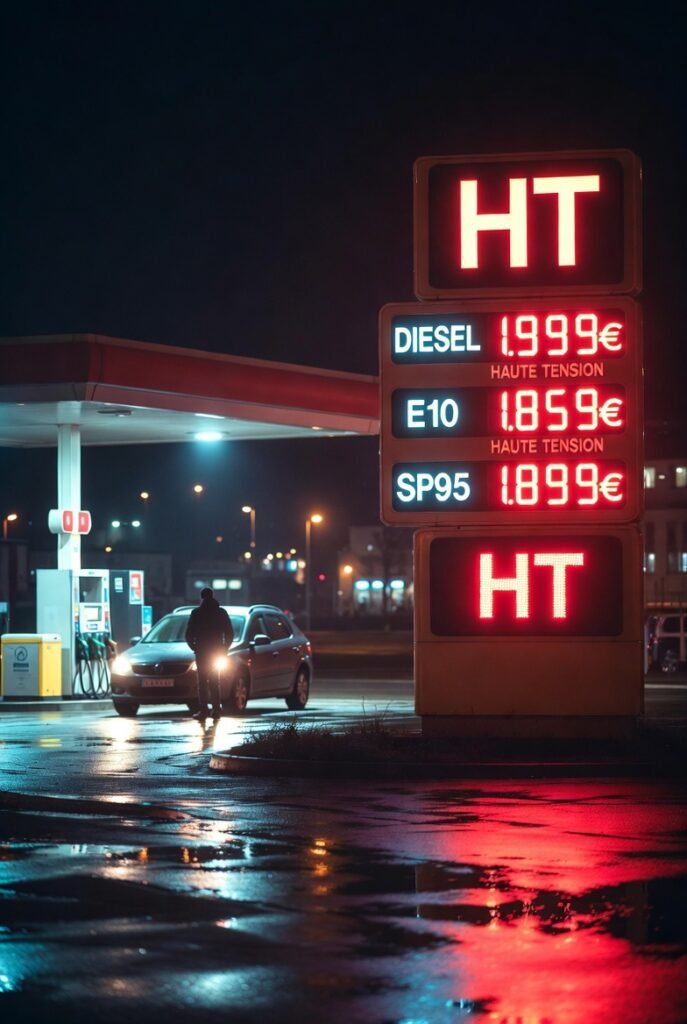
Retail fuel prices have spiked sharply across Europe and Asia. In the UK, petrol prices rose by an average of 18 pence per litre through March. In Germany, diesel costs for trucking firms have jumped nearly 30%, directly impacting freight and logistics costs.
Airlines are feeling the strain too. Jet fuel prices have increased by over 35% compared to January 2026 levels, prompting carriers including major European and Asian airlines to announce fuel surcharges on international tickets and review route profitability.
The oil shock is feeding directly into consumer price inflation across major economies. Energy-driven inflation is notoriously difficult for central banks to control, because it originates from a supply constraint rather than excess demand.
Eurozone inflation, which had been gradually declining toward the European Central Bank’s 2% target, is now projected to re-accelerate toward 5–6% by mid-2026. The Bank of England issued a formal warning in March stating that prolonged energy price shocks could significantly elevate the risk of systemic financial stress.
Germany’s industrial sector already under pressure from high energy costs is reporting reduced output and plant shutdowns. In China, factory activity contracted in March according to the official Purchasing Managers’ Index (PMI), partly attributed to surging input costs.
According to energy data firms tracking OPEC production, collective output from member states fell by more than 7 million barrels per day (bpd) by March 2026 the lowest level since the COVID-19 demand crash of 2020.
Oil-importing economies across Asia are among the most exposed to this crisis. India, which imports approximately 85% of its crude oil needs, declared a national energy emergency in late March 2026, initiating rationing measures for industrial consumers.
The Philippines, Bangladesh, and Pakistan nations with limited foreign exchange reserves are facing acute difficulties financing oil imports at current prices. The IMF has been approached for emergency consultations by at least three South Asian governments.
The IEA has proposed releasing up to 400 million barrels from member nations’ strategic petroleum reserves (SPR). However, energy economists caution that while this could provide short-term relief, it is insufficient to offset a disruption of this scale beyond a few months.
United Nations-led mediation efforts are ongoing, with the G7 nations calling for an immediate ceasefire to protect critical energy infrastructure. However, analysts note that even a rapid diplomatic resolution would take weeks to translate into restored physical supply, given the scale of infrastructure damage.
Here is a comprehensive breakdown of how the crisis unfolded through Q1 2026, what it means for global supply chains, and what experts believe will happen next.

One potential silver lining: the crisis is accelerating investment decisions in renewable energy and nuclear power in Europe and Asia. Several governments have fast-tracked approvals for liquefied natural gas (LNG) import terminals and offshore wind projects that were previously stalled.
The Middle East oil crisis of 2026 is a stark reminder of how dependent the global economy remains on a narrow set of energy chokepoints. With oil prices above $100, inflation re-accelerating, and growth forecasts being revised downward, the world faces a challenging road ahead.
The coming weeks will be decisive. A diplomatic breakthrough could stabilize markets. But if the disruption continues into Q2 and Q3 2026, the risk of a global recession becomes increasingly difficult to avoid.
For businesses, investors, and consumers alike, preparing for sustained energy price volatility is no longer a precaution it is a necessity.