
playstation plus june 2026 games
Thursday, May 20, 2026 Trusted by millions worldwide Back to News Tech PlayStation Plus Subscribers Are About to Lose Another...
Read More → Wednesday, Aprail 1, 2026
Trusted by millions worldwide
Iran cyber attacks 2026 As US-Iran tensions remain elevated through the spring of 2026, cybersecurity officials and private researchers alike expect this activity to continue and potentially intensify.
Iran cyber attacks 2026 The uptick in Iranian cyber activity is not happening in a vacuum. Security analysts at firms including Mandiant and CrowdStrike have noted a clear correlation between periods of heightened US-Iran geopolitical friction and spikes in offensive cyber operations originating from Iran-linked threat actors.
In early 2026, as US naval assets repositioned in the Persian Gulf region and fresh sanctions discussions stalled in European diplomatic circles, cybersecurity monitoring platforms recorded a measurable increase in scanning activity and phishing campaigns targeting US government contractors, defense suppliers, and energy sector companies.
The pattern is consistent with what intelligence analysts have documented for years: Iran treats cyber operations as a cost-effective tool of statecraft a way to signal displeasure, gather intelligence, and create leverage without triggering the kind of direct military response that a physical attack would invite.
The two most prominently tracked Iranian threat groups are APT33 also known as Charming Kitten or Refined Kitten and APT34, sometimes referred to as OilRig or Helix Kitten. Both have been publicly attributed to the Iranian government by the US Department of Justice, the NSA, and allied intelligence agencies in the UK and Israel.
APT33 has historically focused on aerospace and energy sectors in the United States, Saudi Arabia, and South Korea. APT34, by contrast, specializes in long-term espionage operations targeting government entities, financial institutions, and telecoms across the Middle East and beyond. Security researchers at Microsoft’s Threat Intelligence Center have tracked both groups continuously and published detailed technical findings about their tools and techniques.
Cybersecurity researchers and government advisories published in early 2026 highlight several evolving tactics associated with Iranian threat actors. Spear phishing remains the dominant initial access method highly personalized emails designed to trick specific employees at target organizations into revealing credentials or clicking malicious links.
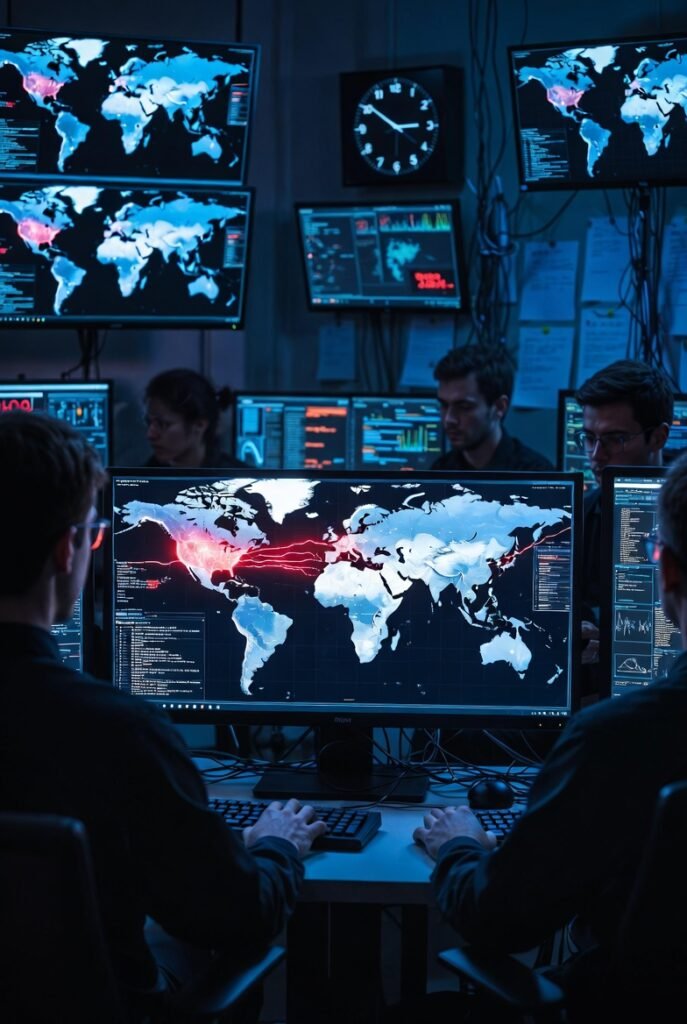
According to the March 2026 CISA threat landscape briefing, the sectors considered at highest risk from Iranian cyber operations include energy and utilities, water and wastewater systems, transportation and logistics networks, defense industrial base contractors, and financial services infrastructure.
The concern around energy infrastructure is particularly acute. Iran has previously demonstrated both the intent and capability to target industrial control systems the specialized software that manages physical equipment like power plant turbines and pipeline pressure valves. A successful intrusion into these systems carries consequences far beyond data theft.
The US government has responded with a combination of offensive and defensive measures. The National Security Agency and CISA jointly released updated technical guidance in March 2026 outlining specific mitigations that organizations should implement immediately, including multi-factor authentication enforcement, network segmentation best practices, and accelerated patch management protocols.
The FBI has simultaneously pursued legal channels, unsealing indictments against several Iranian nationals linked to prior cyberattack campaigns. While these indictments carry little immediate practical weight Iran does not extradite citizens they serve an important function of publicly attributing attacks and building an evidentiary record for diplomatic and sanctions purposes.
Internationally, the US has worked through the Five Eyes intelligence alliance which includes the UK, Canada, Australia, and New Zealand to share threat intelligence and coordinate defensive measures among allied governments and critical infrastructure operators.

Cybersecurity experts consistently recommend a layered defense approach. For organizations in high-risk sectors, the immediate priorities identified in current government advisories include auditing all remote access points, enforcing strong authentication across all systems, monitoring for anomalous network behavior, conducting employee phishing awareness training, and ensuring offline backups of critical data are maintained and tested regularly.
For individuals, the broader message is one of awareness: Iran’s cyber operations primarily target organizations, not individual consumers. However, supply-chain compromises where attackers infiltrate a smaller vendor to reach a larger target mean that even companies not directly in Iran’s crosshairs should maintain strong security hygiene.
What the current wave of Iranian cyber activity illustrates most clearly is that cyber conflict has become a permanent feature of modern geopolitics not an exceptional crisis, but a continuous strategic environment. Nations with grievances against the United States or its allies no longer need to rely solely on conventional military options. Digital tools offer reach, deniability, and scalability that physical operations cannot match.
As US-Iran tensions remain elevated through the spring of 2026, cybersecurity officials and private researchers alike expect this activity to continue and potentially intensify. Staying informed and staying prepared has never been more important for governments, businesses, and the critical infrastructure that modern societies depend on every day.
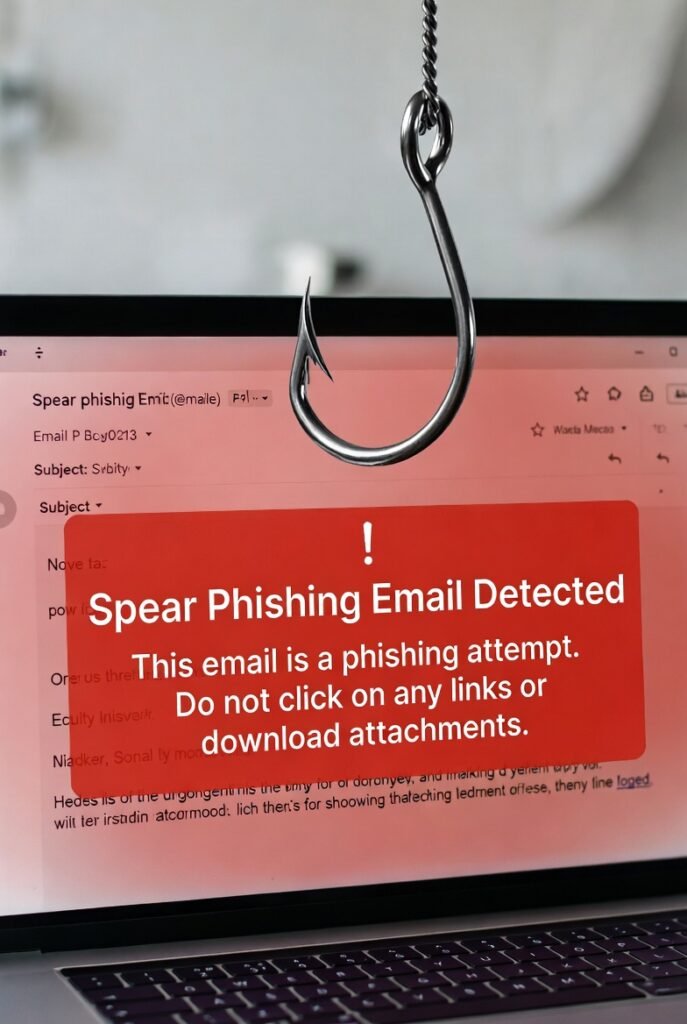
The Iran cyber attacks 2026 represent a permanent shift in how modern wars are fought. As the deadline passes this April 1st, the world watches to see if these digital threats will manifest into a systemic collapse of essential services. For US companies and global infrastructure providers, the message is clear: the battlefield is everywhere, and the next shot fired may be a line of code.Iran cyber attacks 2026