playstation plus june 2026 games
Thursday, May 20, 2026 Trusted by millions worldwide Back to News Tech PlayStation Plus Subscribers Are About to Lose Another...
Read More → Wednesday, March 11, 2026
Trusted by millions worldwide
The Iran CIA Secret Talks 2026 revelation has become one of the most intriguing diplomatic developments of the current Middle East crisis. According to multiple officials familiar with the situation, Iranian intelligence operatives quietly reached out to the United States through a third country, signaling a willingness to discuss possible ways to end the escalating conflict.
The alleged contact occurred shortly after U.S. and Israeli military strikes began targeting strategic locations inside Iran, dramatically raising tensions across the region.
While officials stress that no formal negotiations are currently underway, the reported message suggests Tehran may be exploring diplomatic options behind the scenes.
The latest conflict between Iran and its adversaries escalated rapidly in early 2026. Military strikes targeting key infrastructure and strategic facilities triggered fears of a wider regional confrontation.
Publicly, Iranian officials have projected strength and resistance. Government statements and state media messaging have emphasized defiance against foreign pressure.
However, diplomatic analysts say history often shows that public rhetoric and private diplomacy can follow very different paths during major geopolitical crises.
Behind closed doors, governments frequently explore potential exit strategies even while publicly maintaining hardline positions.
According to reports from Middle Eastern and Western officials who spoke on condition of anonymity, the message from Iran was delivered through an intermediary country’s intelligence service.
The communication reportedly reached the Central Intelligence Agency (CIA) as a signal that Iran might be open to discussing ways to reduce tensions or end the ongoing conflict.
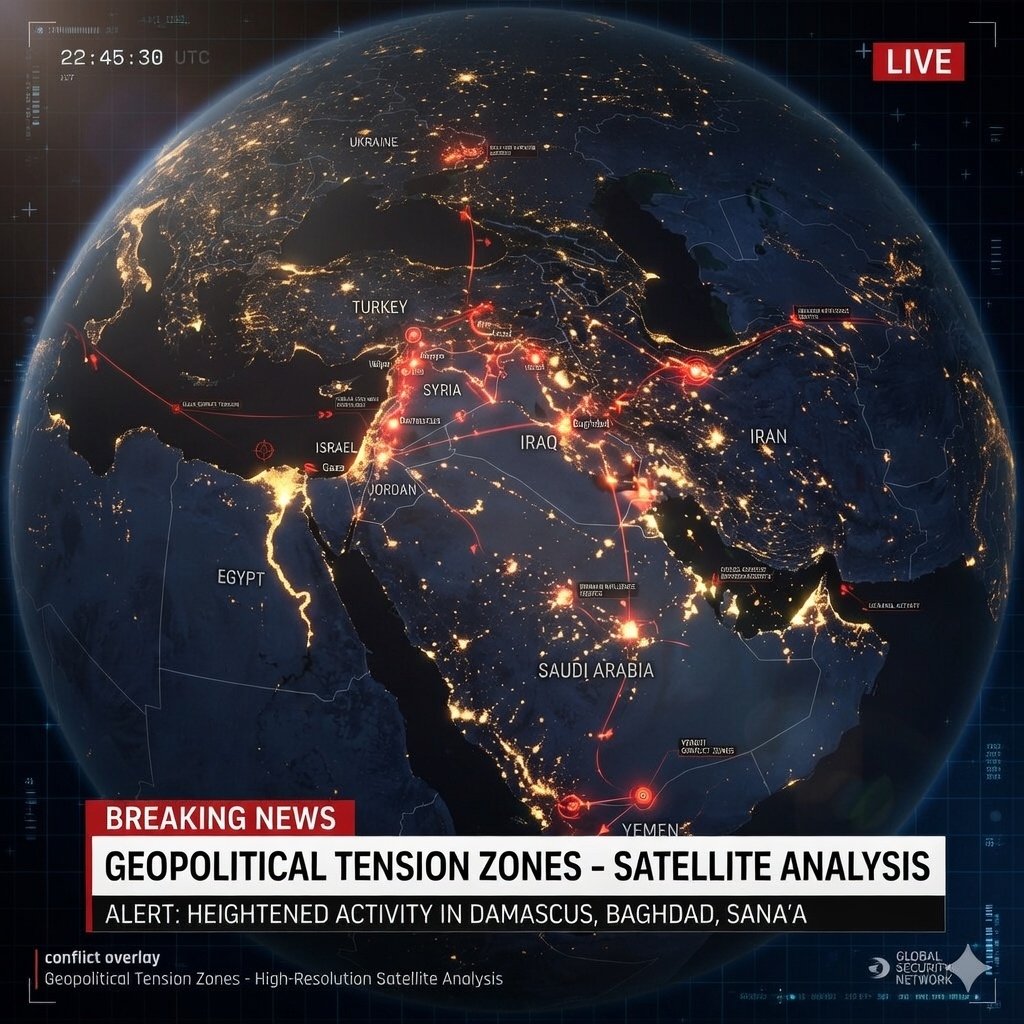
Backchannel diplomacy is not unusual in international relations. Governments often rely on quiet intelligence contacts to test diplomatic possibilities before formal negotiations begin.
In this case, however, U.S. officials have indicated that the message has not yet led to direct negotiations.
Sources familiar with the matter say Washington remains cautious about interpreting the signal as a concrete diplomatic proposal.
Former U.S. President Donald Trump responded quickly to the reports on his social media platform Truth Social.
In a short message that attracted global attention, Trump wrote:
“They want to talk. Too Late!”
The four-word statement quickly circulated across international media outlets and diplomatic circles, highlighting the political tensions surrounding the crisis.
Trump’s reaction reflects a broader debate within U.S. political circles over how Washington should respond to potential Iranian diplomatic outreach during the conflict.
Some policymakers argue that backchannel communication could help reduce risks of escalation. Others believe Iran’s approach may simply be a tactical move to ease pressure.
Backchannel diplomacy has played a critical role in many historical conflicts. Quiet intelligence contacts can allow governments to explore compromises without making public commitments.
For example, similar secret diplomatic channels helped pave the way for several major international agreements in the past, including negotiations during Cold War tensions and Middle East peace efforts.
In situations where public negotiations are politically difficult, intelligence agencies sometimes serve as informal communication bridges between governments.
However, such contacts do not always lead to formal peace talks.
Diplomatic experts caution that signals sent through intelligence channels can represent exploratory discussions rather than firm negotiation offers.
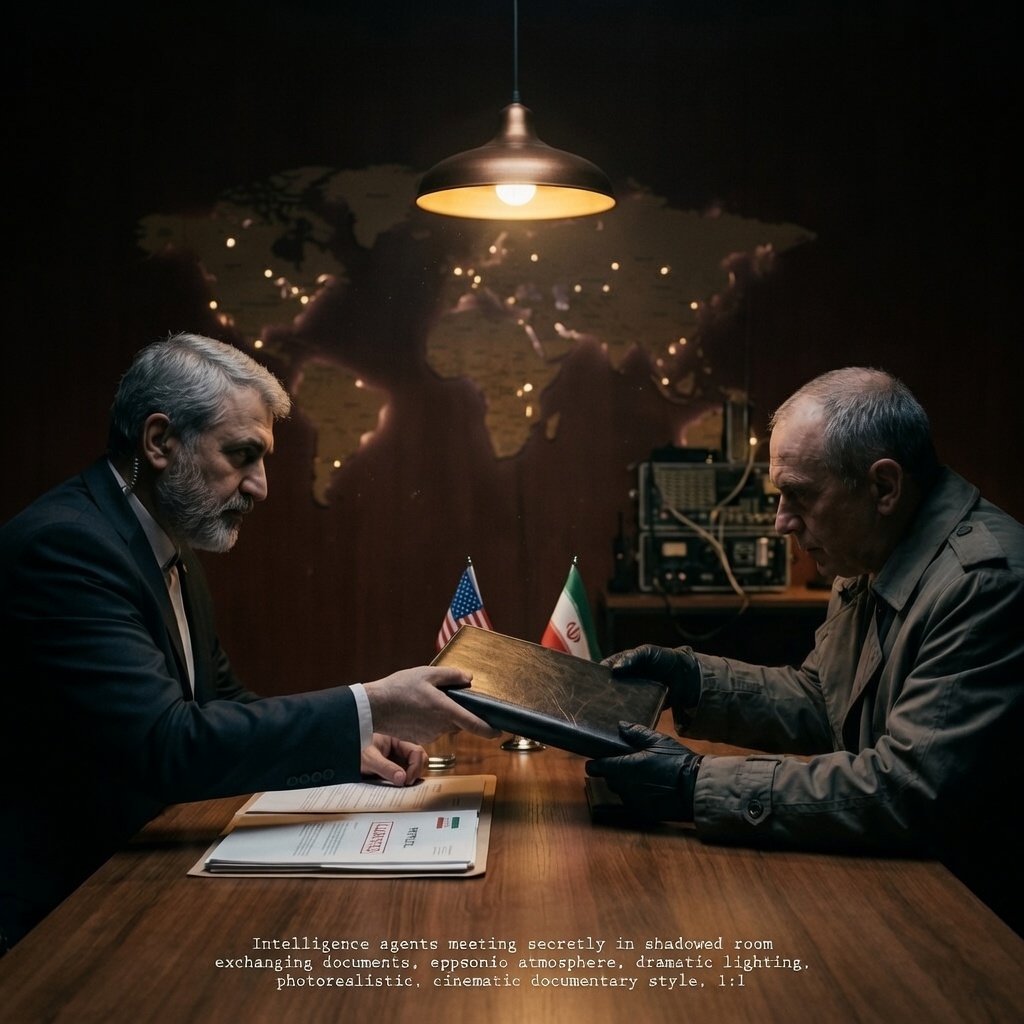
At this stage, it remains unclear how serious Iran’s message may be.
Analysts say several possibilities exist:
Tehran may be testing whether Washington is open to talks
The outreach could be intended to reduce international pressure
It may represent internal debate within Iran’s leadership over how to proceed
Without direct negotiations or official confirmation, the true intentions behind the communication remain uncertain.
The reported outreach has attracted significant attention from international observers.
Governments across Europe and the Middle East are closely monitoring the situation, as any shift toward diplomacy could dramatically alter the trajectory of the conflict.
Energy markets, security analysts, and geopolitical experts are also watching closely. Escalating tensions in the region often affect global oil prices, trade routes, and regional stability.
If diplomatic channels were to open formally, the move could reduce fears of a prolonged regional war.
However, if the outreach fails to lead to negotiations, the crisis could continue to escalate.
For now, officials say no active negotiations are taking place between Iran and the United States.
Still, the existence of a reported backchannel contact suggests that diplomacy may remain a possibility behind the scenes.
In international conflicts, major breakthroughs often begin with quiet signals long before formal talks are announced.
Whether this outreach represents the beginning of a diplomatic shift or simply a brief exploratory contact remains unclear.
But one thing is certain: the revelation of possible Iran CIA secret talks in 2026 has added a new layer of intrigue to an already volatile geopolitical crisis.