
playstation plus june 2026 games
Thursday, May 20, 2026 Trusted by millions worldwide Back to News Tech PlayStation Plus Subscribers Are About to Lose Another...
Read More → Tuesday, March 3, 2026
Trusted by millions worldwide
US Iran War Day 3 2026 Seventy-two hours into escalating tensions between Washington and Tehran, the situation across the Middle East appears to be widening rather than stabilising.
According to reporting from ABC News and The National, senior U.S. officials have indicated that the current military phase could extend for several weeks. Energy markets, European policymakers and Gulf governments are now bracing for prolonged instability.
While some developments remain fluid and subject to official confirmation, the economic and geopolitical ripple effects are already being felt far beyond the region.US Department of Defense
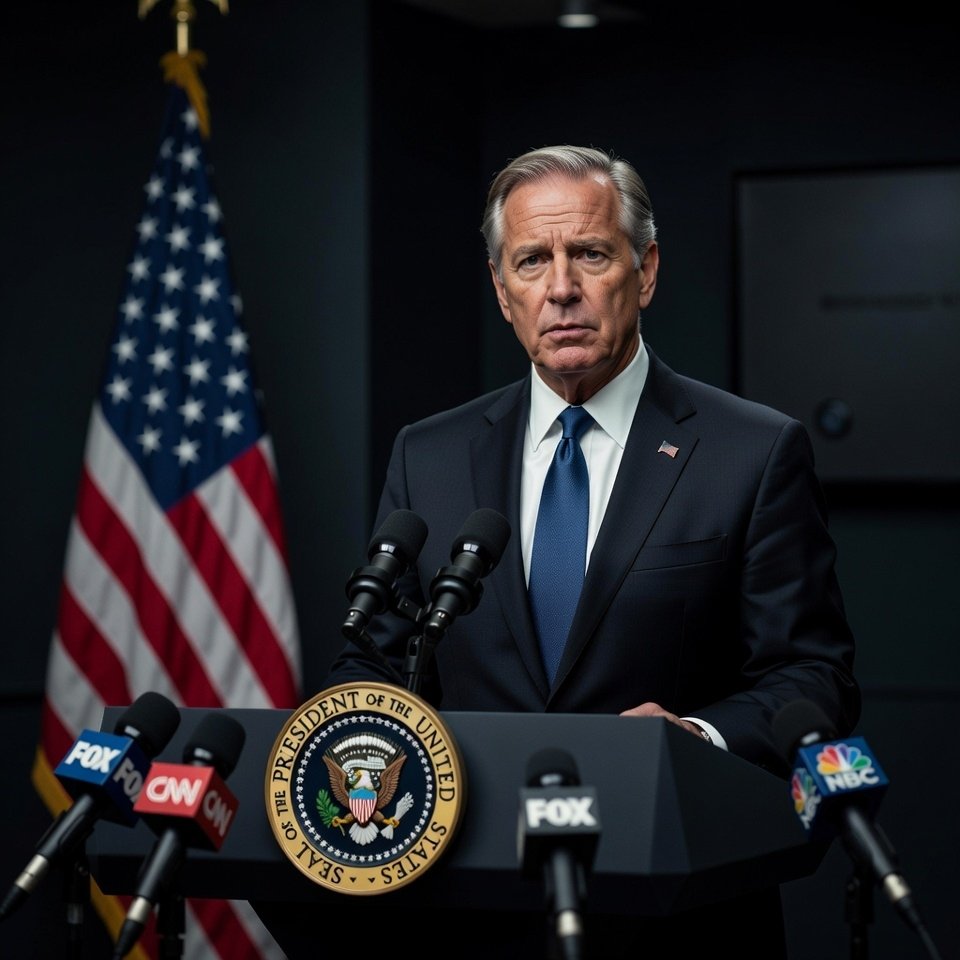
Speaking to reporters in Washington, Rubio suggested that the next phase of operations could be “more punishing” than the initial strikes.
Coverage from C-SPAN indicates that lawmakers have begun debating the scope of executive war powers, with some members of Congress calling for additional oversight.
Former President Donald Trump reportedly projected that the campaign could last “four weeks,” though no formal timeline has been confirmed by the US Department of Defense.
For investors and policymakers in London and Brussels, that projection signals potential medium-term volatility rather than a brief exchange.
Global energy markets responded immediately.
Data cited by ABC News shows Brent crude climbing sharply as traders priced in risk to shipping routes near the Strait of Hormuz — a corridor that handles roughly one-fifth of global oil trade.
According to analysis frameworks from the International Energy Agency, sustained disruption in the Gulf could:
Increase European inflationary pressure
Complicate monetary policy decisions
Raise shipping insurance costs
Trigger broader commodity market volatility
For the UK specifically, higher Brent prices typically translate into elevated fuel and logistics costs, potentially influencing policy decisions at the Bank of England.
European officials have stopped short of endorsing direct military escalation but have emphasised regional stability.
The European Commission has previously warned that Middle East shipping disruptions could affect supply chains stretching from Rotterdam to Southeast Asia.
If the Strait of Hormuz faces prolonged restrictions, EU economies — already managing energy transition costs — could face renewed price shocks.
The British government has reportedly allowed defensive base access to U.S. forces while emphasising that it does not seek further regional escalation.
Prime Minister Keir Starmer has urged restraint, reflecting London’s balancing act between alliance commitments and domestic political sensitivity to prolonged conflict.
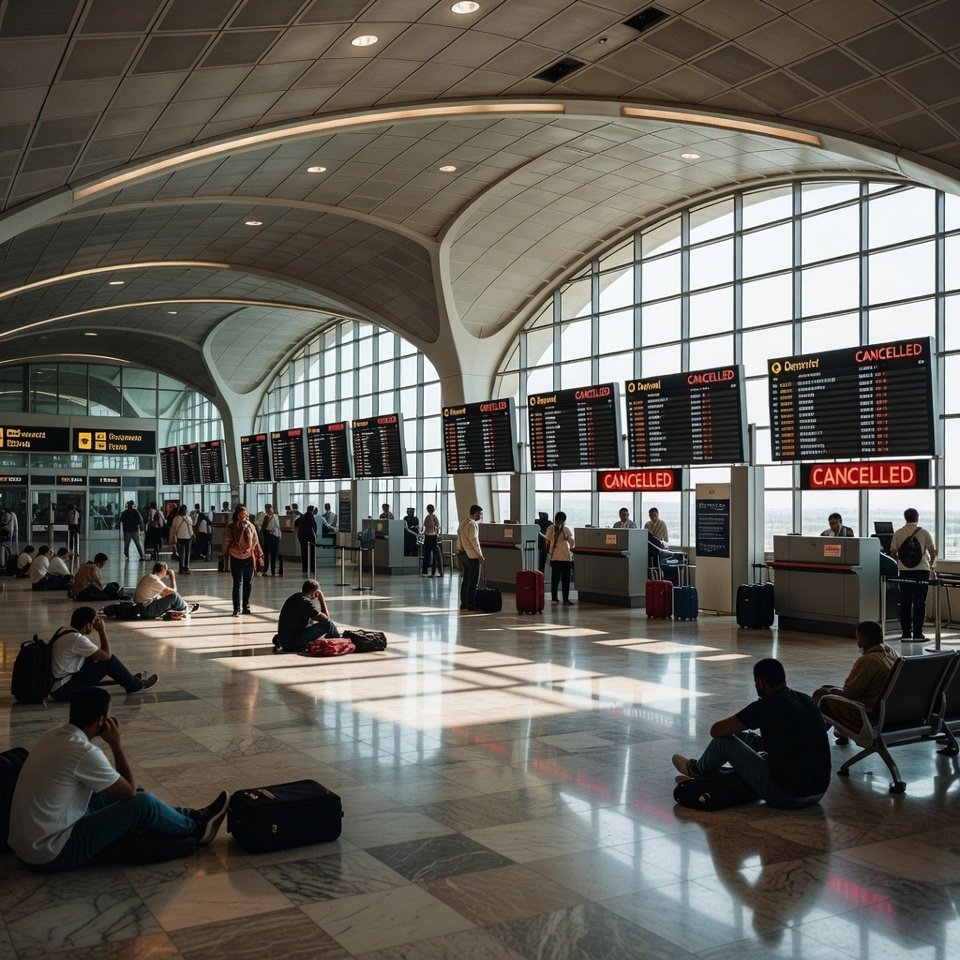
For UK-based investors and travellers, Gulf aviation disruptions have already created logistical uncertainty.
✈️ Aviation & Gulf Disruption
Major regional carriers including:
Emirates
Etihad Airways
Qatar Airways
temporarily suspended selected flights amid airspace instability.
For Europe-Asia transit routes, Gulf hubs play a structural role in global connectivity. Even short suspensions can cause cascading delays across international networks.
Back in Washington, lawmakers are revisiting the War Powers framework.
Senate Minority Leader Chuck Schumer criticised briefings as insufficient, according to coverage from C-SPAN.
The constitutional question now emerging is whether extended operations require explicit congressional authorisation — a debate that could shape the next stage of U.S. involvement.
Rapid Diplomatic De-Escalation
Back-channel talks could emerge via regional mediators.
Prolonged Attritional Phase
Strikes continue, oil volatility persists, markets remain fragile.
Wider Regional Expansion
Additional actors enter the conflict, complicating NATO and EU strategic calculations.
The UK government has confirmed that it did not directly participate in the initial strikes and does not seek further escalation into a wider regional conflict.
However, Prime Minister Keir Starmer acknowledged that Britain has permitted the United States to use certain UK military facilities for what officials described as “defensive” operations targeting Iranian missile threats. Reporting from ABC News indicates that the arrangement focuses on logistical and support access rather than frontline combat deployment.
This distinction — granting base access while avoiding direct strike participation — reflects London’s longstanding approach to alliance coordination: maintaining NATO commitments while limiting overt military escalation.
For policymakers in Westminster, the decision carries strategic and political implications. While reinforcing transatlantic ties, it also places the UK within the operational framework of the conflict, increasing scrutiny from Parliament and the public.
Former President Donald Trump suggested that Iran “wants to talk,” raising the possibility — however narrow — of back-channel diplomacy emerging in the coming days.
Oman, which has historically served as a discreet intermediary between Washington and Tehran, could again function as a mediating channel. While no formal ceasefire framework has been announced, regional analysts note that early diplomatic signalling often occurs quietly before public confirmation.
However, reports of senior Iranian officials being killed in the initial strikes complicate this pathway. Any negotiation would require credible representation from Tehran with both institutional authority and domestic legitimacy — factors that may currently be in flux.
For European governments, particularly in London and Brussels, even limited diplomatic movement would likely stabilise energy markets and reduce immediate inflationary pressure.

The events of “US–Iran War Day 3” suggest that policymakers are preparing for a conflict measured in weeks rather than days.
Public statements from Marco Rubio indicate that additional military phases may follow, while political debate in Washington continues regarding oversight and authorisation.
At the same time:
Energy markets have reacted sharply.
Gulf aviation networks have faced disruption.
European governments are monitoring inflationary exposure.
Brent crude hovering near $80 reflects not just current disruption, but forward-looking risk pricing.
Whether the coming weeks lead to de-escalation, prolonged exchange, or broader regional instability remains uncertain. What is clearer is that the economic and diplomatic consequences extend well beyond the Persian Gulf — touching European energy bills, transatlantic alliance cohesion, and global supply chains.
If February 28 marked the beginning of a new military phase, the weeks that follow may determine whether it becomes a contained confrontation or a defining geopolitical turning point of 2026.