
Sunday Aprail 26, 2026
Trusted by millions worldwide
Polotics
White House Correspondents’ Dinner shooting suspect worked as California teacher
White House Dinner shooting suspect What Happened at the Washington Hilton? Full Timeline
Before the Incident
Initial findings suggest the suspect had access to the hotel prior to the event. Reports indicate that he may have been staying at or near the venue.
White House Correspondents’ Dinner Shooting: Timeline, Suspect, and Security Questions
The White House Dinner shooting suspect became the center of national attention after a shocking incident disrupted the 2026 White House Correspondents’ Dinner in Washington, D.C.
Held annually at the Washington Hilton, the event is known for bringing together top political leaders, journalists, and celebrities. On April 25, 2026, what was meant to be a night of humor and media engagement quickly turned into a security crisis.
Gunfire near a checkpoint triggered panic, forcing an immediate evacuation of attendees, including senior officials. Authorities later confirmed that the suspect, identified as a California-based teacher, acted alone.
No fatalities were reported, but the incident has raised serious concerns about security at high-profile political gatherings.
Who Is the Suspect? Background and Profile
A California Teacher With a Technical Background
The suspect has been identified as 31-year-old Cole Tomas Allen, a California teacher with a background in engineering and software development.
According to preliminary reports, he:
- Worked as a part-time educator and tutor
- Had technical training and academic credentials
- Was involved in independent game development
This profile has surprised many observers, as it does not match traditional expectations of individuals involved in violent incidents.
Minimal Digital Footprint Raises Concerns
Investigators noted that the suspect had:
- Limited social media activity
- No clear public political affiliations
- Few visible warning signs online
This type of “low-visibility” profile is increasingly being discussed in security circles. It highlights the difficulty of identifying potential threats based on digital behavior alone Authorities are continuing to analyze his background to determine whether any warning indicators were missed.
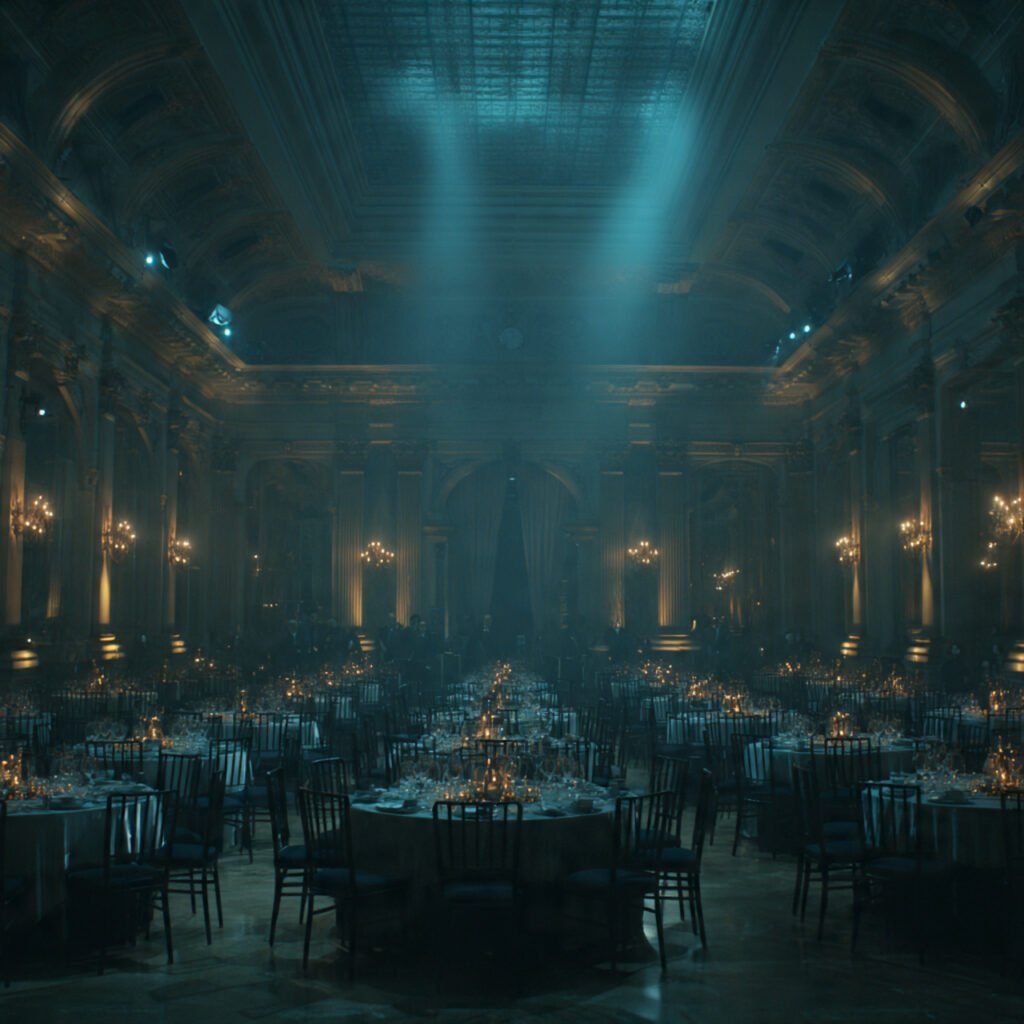
What Happened at the Washington Hilton? Full Timeline
Before the Incident
The suspect’s presence inside the Washington Hilton changes the nature of the breach.
This was not a case of someone forcing entry into a secured perimeter. It points to a scenario where the individual was already within a shared space one that blends public access with controlled security.
In such environments, the line between “inside” and “secure” becomes thinner than it appears.
The Shooting Incident
The escalation was rapid, but not random.
The suspect approached a security checkpoint carrying multiple weapons. At that moment, suspicion transitioned into confirmation. Within seconds, shots were fired toward law enforcement personnel.
An officer was injured, though protected by body armor. The outcome could have been significantly worse if not for immediate reaction.
What matters here is timing.
The situation intensified quickly but the response kept pace.
Immediate Response by Security Forces
Security teams, including the United States Secret Service, moved without hesitation.
The suspect was subdued and taken into custody within moments. Attendees were evacuated immediately, and the event was canceled shortly after.
These actions followed established protocols, and they worked as intended.
But effective response doesn’t eliminate the underlying question how the threat reached that point in the first place.
Security Response and Federal Investigation
Initial assessments indicate that the response phase was executed effectively.
Rapid intervention prevented further escalation. Protective measures ensured the safety of high-level officials, and coordination between agencies remained intact under pressure.
However, the investigation is now focused on what happened before the response.
The key issue isn’t how the system reacted.
It’s how close the threat was allowed to get.
Charges and Legal Proceedings
The suspect is expected to face multiple federal charges, including assault on a federal officer, use of a firearm during a violent act, and attempted breach of a secured event. At this stage, there is no confirmed connection to any organized group. That detail shifts the framework of the case. It places the focus on individual action rather than networked activity making prevention significantly more complex.
Security Concerns: What Went Wrong?
Challenges of Securing Hotel-Based Events
Hotels are not inherently designed for high-security operations.
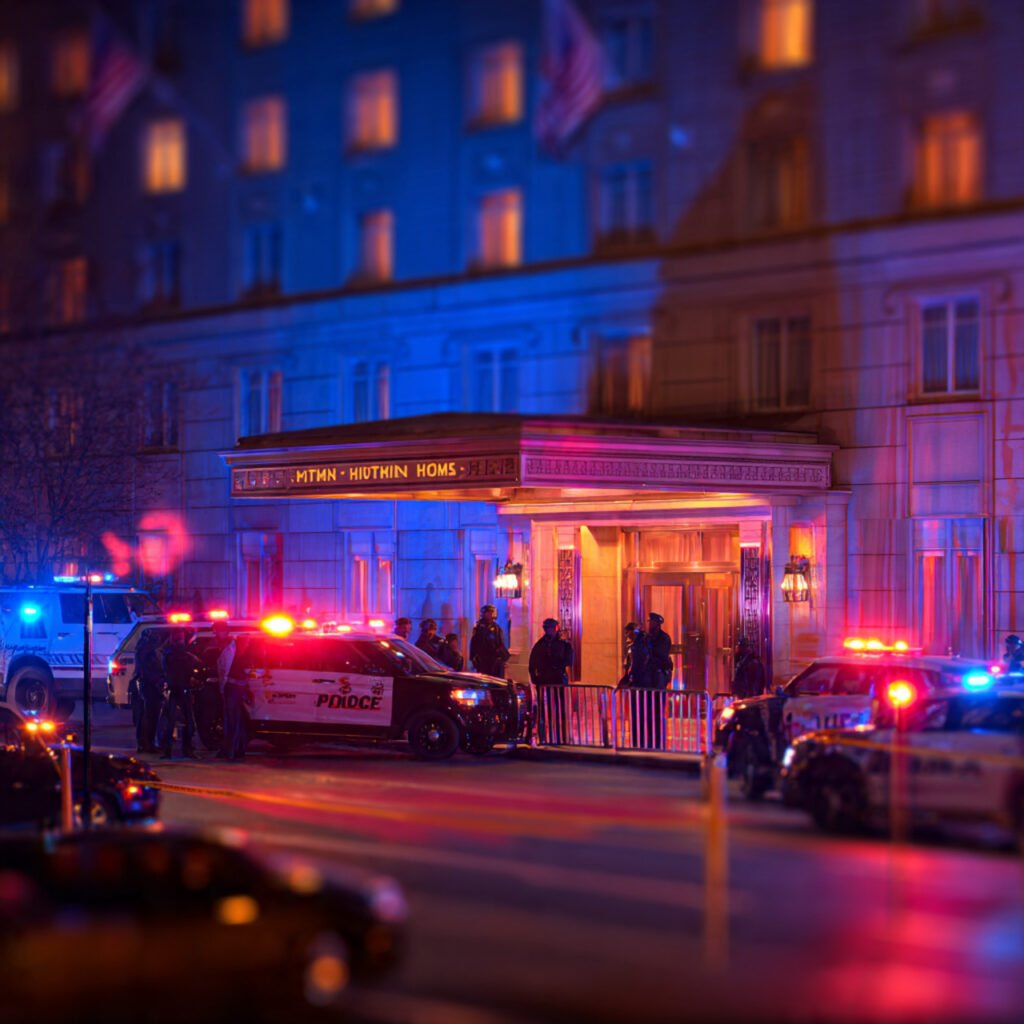
They are open, dynamic environments with constant movement and shared access. Even with temporary security overlays, controlling every point of entry and interaction remains difficult.
Multiple access routes, mixed populations, and continuous foot traffic create conditions where predictability is limited.
In such settings, security isn’t absolute.
It’s conditional.
Interior Security Gaps
One of the most critical concerns is the concept of internal access.
Traditional security models emphasize preventing entry. This incident highlights a different problem—what happens after entry has already occurred.
Once inside, monitoring becomes more complex. Individuals blend into the environment, and behavioral changes may not be immediately visible.
This raises deeper questions about how secure zones are defined and whether they remain secure over time.
Interior Security Gaps
One major concern raised by analysts is the concept of “interior access.”
Unlike external threats, this situation involved someone who was already inside the environment. This raises important questions:
- Are internal areas sufficiently monitored?
- How are guests screened beyond entry points?
- Can threats emerge from within secure zones?
Experts suggest that modern security planning must address both external and internal risks.
Political Events as High-Value Targets
Why the WHCD Attracts Attention
The White House Correspondents’ Dinner is not just a media event. It brings together:
- The U.S. President
- Senior government officials
- Influential journalists and public figures
This concentration of high-profile individuals makes it a potential target for individuals seeking attention or impact.
Rising Concerns Around Lone Actors
Recent years have seen an increase in incidents involving individuals acting alone. These cases are often harder to predict due to:
- Lack of clear affiliations
- Minimal communication with others
- Limited digital footprints
Authorities emphasize that each case is unique and should be evaluated based on evidence rather than assumptions.
Broader Implications for U.S. Security
Shift Toward Preventive Measures
Following the 2026 incident, security experts are calling for:
- Enhanced monitoring within venues
- Improved coordination between agencies
- Greater use of behavioral analysis tools
There is also growing discussion about integrating advanced technologies, including AI-based threat detection systems.
Impact on Future Events
The incident may influence how future events are organized:
- Increased security protocols at media gatherings
- Possible relocation to more controlled venues
- Greater reliance on hybrid or virtual formats
Balancing accessibility and safety remains a key challenge for organizers.
Official Statements and Ongoing Investigation
Authorities have emphasized that the investigation is still active. Key areas of focus include:
- Determining the suspect’s motive
- Reviewing security procedures at the venue
- Identifying any potential lapses
Officials have urged the public to avoid speculation and rely on verified information as the case develops.
Conclusion: A Critical Moment for Event Security
This incident reflects a shift in how security challenges are emerging.
The rapid response prevented a larger tragedy, but it also revealed how quickly controlled environments can become unstable.
The focus now moves beyond reaction toward anticipation.
Because the real vulnerability isn’t always in how systems respond.
It’s in what they fail to see coming.