Global War Crisis 2026: Middle East Conflict Spreads to Europe & America
monday, March 30, 2026 Trusted by millions worldwide Back to News Politics Global War Crisis 2026: Middle East Conflict Spreads...
Read More → 

Saturday, March 7, 2026
Trusted by millions worldwide
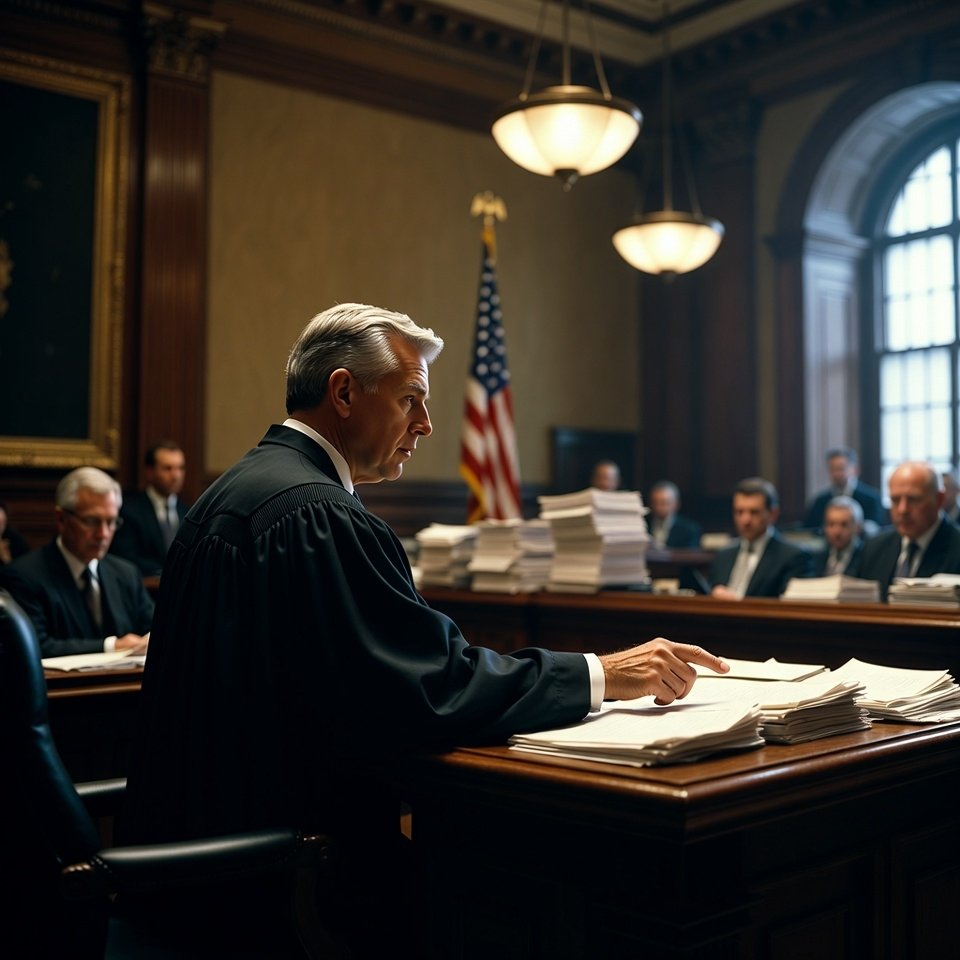
Trump tariff refund 2026 Judge Richard Eaton of the US Court of International Trade in Manhattan issued a landmark decision on March 5, 2026, ruling that every company that paid tariffs later struck down by the Supreme Court is entitled to a full refund — with interest. The Supreme Court had previously found that President Trump’s use of the 1977 International Emergency Economic Powers Act (IEEPA) to impose sweeping import taxes on nearly every country was illegal.
The breadth of Eaton’s ruling is significant. He made clear that refunds are not limited to the 2,000+ companies that filed individual lawsuits. Rather, every importer who paid those tariffs — an estimated 300,000 businesses across the United States — qualifies for their money back. The vast majority of these are small and medium-sized enterprises that absorbed these costs entirely on their own balance sheets.
"Every single cent of IEEPA duties that was imposed must be refunded."
Eaton also confirmed that he holds sole jurisdiction over all refund cases in the trade court, writing that the chief judge has assigned all such cases to him — eliminating the risk of conflicting rulings from other judges.
Eaton ordered US Customs and Border Protection (CBP) to finalise the cost of every affected shipment as if the tariffs had never been applied in the first place. When the Justice Department argued this would require manually reviewing millions of entries, Eaton was direct in his response: “We live in the age of computers. It must be possible for Customs Service to program its computers so it doesn’t need a manual review.”
He described the process as well within CBP’s existing capabilities, noting: “Customs knows how to do this. They do it every day. They liquidate entries and make refunds.” A follow-up hearing was scheduled for Friday, March 6, at which CBP was required to present its plan for processing the refunds.trump tariff refund 2026
The companies seeking refunds range from Fortune 500 giants to small regional importers. More than 2,000 lawsuits have already been filed at the trade court, with prominent plaintiffs including Costco Wholesale, FedEx Corporation, and Pandora Jewelry. The case that directly triggered Eaton’s order was brought by Atmus Filtration — a Nashville, Tennessee-based manufacturer of filtration products that estimates it paid roughly $11 million in tariffs that have now been ruled illegal.
Importantly, you do not need to have sued the government to receive a refund. Eaton’s ruling extends to all importers who paid the now-invalid tariffs, making this one of the broadest financial remediation orders in American legal history.
Eaton ordered US Customs and Border Protection (CBP) to finalise the cost of every affected shipment as if the tariffs had never been applied in the first place. When the Justice Department argued this would require manually reviewing millions of entries, Eaton was direct in his response: “We live in the age of computers. It must be possible for Customs Service to program its computers so it doesn’t need a manual review.”
He described the process as well within CBP’s existing capabilities, noting: “Customs knows how to do this. They do it every day. They liquidate entries and make refunds.” A follow-up hearing was scheduled for Friday, March 6, at which CBP was required to present its plan for processing the refunds.

In February 2026, the US Supreme Court struck down Trump’s tariffs under IEEPA, finding that the President cannot use emergency economic powers legislation to unilaterally set broad import tariffs. The majority ruling, however, deliberately left the question of refunds unanswered — setting the stage for exactly the kind of litigation now unfolding in Eaton’s courtroom.
Justice Brett Kavanaugh, writing in dissent, had specifically flagged this gap, warning that the majority “says nothing today about whether, and if so how, the Government should go about returning the billions of dollars that it has collected from importers.” Eaton’s March 5 ruling was, in effect, the trade court’s answer to that question.
The Justice Department sought to pause Eaton’s ruling while it pursues an appeal. Eaton denied that request. His response to the DOJ lawyer was pointed and unambiguous: “Your position is clear. The Supreme Court told you what your position is.”
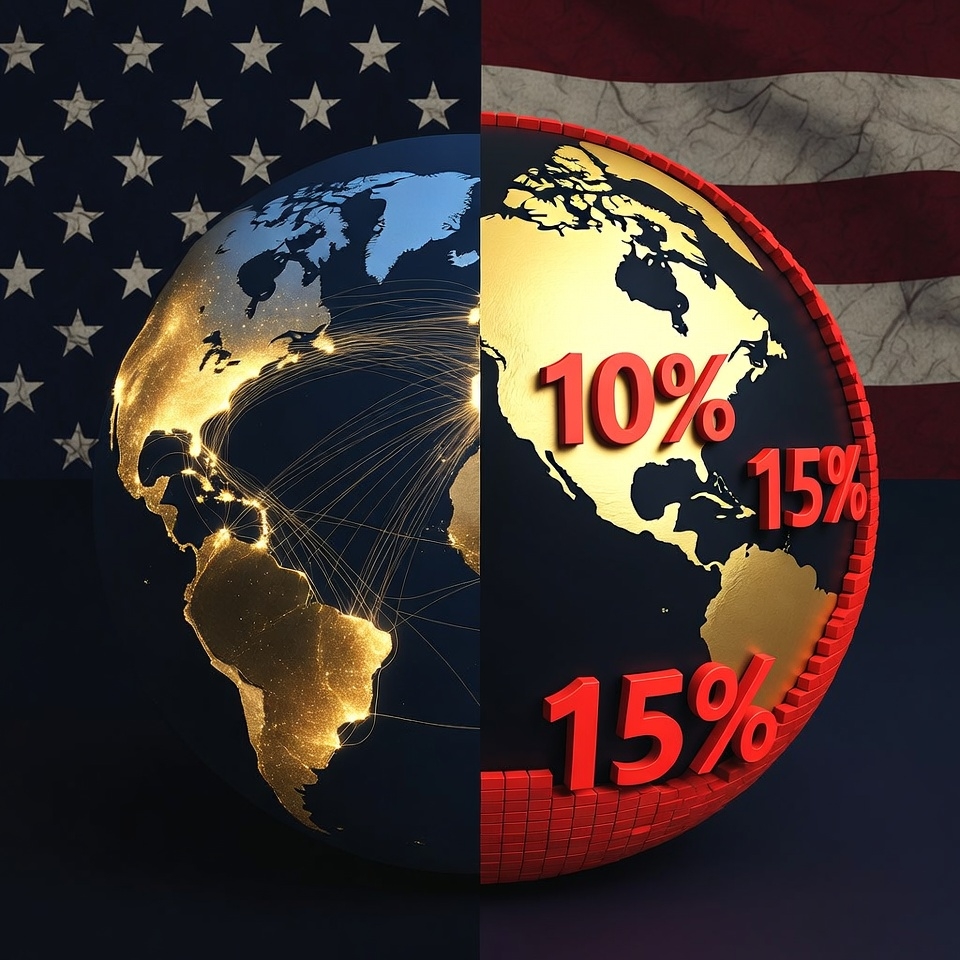
Even as the refund battle plays out in court, the Trump administration has not stepped back from trade escalation. Trump has moved forward with imposing new 10% global tariffs under Section 122 of the Trade Act of 1974 — a different legal mechanism that allows the President to impose tariffs of up to 15% for up to 150 days to address trade imbalances. Treasury Secretary Scott Bessent confirmed these tariffs could rise to 15% within the week.
Within 24 hours of Eaton’s ruling, several US states filed a new lawsuit challenging the legality of these Section 122 tariffs — opening a second major legal front in the ongoing trade war, even as the first refund battle continues in Eaton’s courtroom.
The financial stakes of Wednesday’s ruling are hard to overstate. Economic research consistently shows that US businesses and consumers bore almost the entire cost of Trump’s tariffs — meaning the $130 billion refund represents a direct financial recovery for hundreds of thousands of American companies, not a foreign policy concession.
That said, trade lawyers are urging patience. Customs broker Nunzio De Filippis sent a measured message to the trade community: “The courts still need to figure out the mechanics of how this actually gets unwound. My message to the trade community is to chill out. There’s still a whole process to figure out.”
Trade attorney Justin Angotti of Reed Smith’s international trade group warned that the government is widely expected to seek both an appeal and a stay of Eaton’s order. “If a refund process comes to be,” he said, “importers will still need to jump through at least some hoops, and Customs will move slowly, or at least try to.”
The Penn Wharton Budget Model estimates that when interest payments and additional importer claims are factored in, the total refund liability could reach $175 billion — significantly more than the $130 billion figure currently confirmed by court proceedings.trump tariff refund 2026
The Trump tariff refund 2026 case is not a legal footnote. It is a defining chapter in American trade law — a federal judge ordering the return of $130 billion to over 300,000 businesses, with interest, after the Supreme Court ruled a president had acted illegally.
Costco, FedEx, Pandora, Atmus Filtration, and hundreds of thousands of small importers are watching every development closely. The question is no longer whether refunds are owed. Judge Eaton settled that on Wednesday with three words: "every single cent." The real question now is whether the Trump administration will comply, delay, appeal — or whether new tariffs will make the entire refund saga irrelevant before a single dollar is returned.
With Section 122 tariffs already in motion and states filing fresh legal challenges daily, Frontier Affairs will continue tracking every ruling, every appeal, and every market shift in this story — from Manhattan's trade court to the floors of global financial markets.
It is not often that a federal judge orders the most powerful government on earth to hand back $130 billion. On Wednesday, March 5, 2026, that is exactly what happened — and the ripple effects are still spreading.


 Optimized by Seraphinite Accelerator