
Delta flight cancellations 2026 US travel chaos
Monday, May 4, 2026 Trusted by millions worldwide Back to News Finance Delta Cancels Hundreds of Flights: What’s Behind the...
Read More → Saturday, May 2 2026
Trusted by millions worldwide
Southern states add Republican House seats These changes could have significant implications for future elections, party balance in Congress, and the broader political landscape in the United States.
Southern states add Republican House seats Two Southern states are moving closer to redrawing congressional maps in ways that could add more Republican seats in the U.S. House of Representatives. The developments come as part of ongoing redistricting efforts following population changes and political shifts across the region.
These changes could have significant implications for future elections, party balance in Congress, and the broader political landscape in the United States.
Redistricting is the process of redrawing electoral district boundaries, typically based on population data collected during the national census.
Key purposes:
However, redistricting often becomes politically contested.
Southern states have experienced population growth and political realignment in recent years, making them key battlegrounds in redistricting discussions.
Key factors:
These elements influence how districts are drawn.
The proposed redistricting plans in these states could result in additional Republican-leaning districts.
Possible outcomes:
These changes could impact national politics.
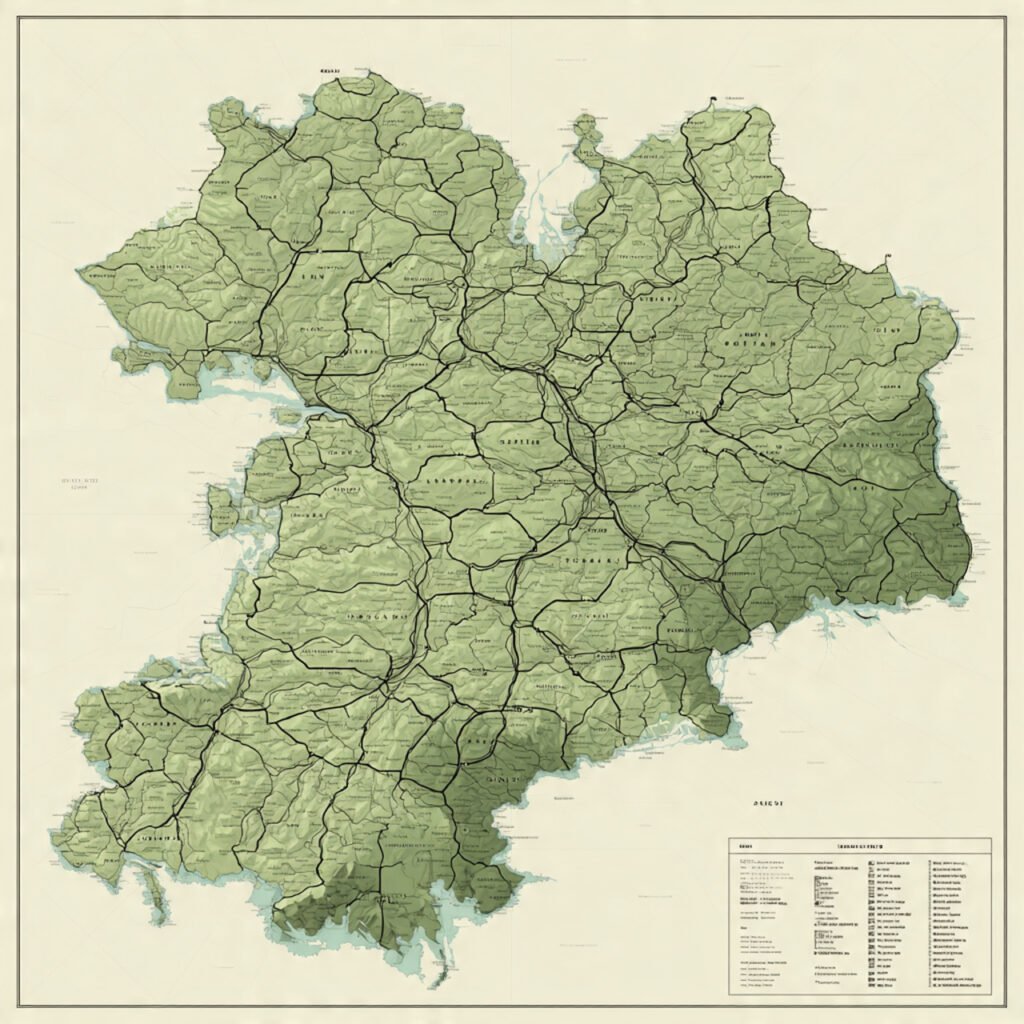
Redistricting is often used strategically by political parties to maximize electoral advantage.
Common strategies:
These tactics are central to political map-making.
Redistricting plans are subject to legal review and can face court challenges.
Key legal considerations:
Courts often play a decisive role.
Changes in district boundaries can directly affect the balance of power in Congress.
Potential impacts:
Even a few seats can make a difference.
The developments have drawn strong reactions from both Republicans and Democrats.
Republican perspective:
Democratic concerns:
The debate remains highly polarized.
Population growth in Southern states has been a major driver of redistricting changes.
Key trends:
These shifts require updated district maps.

The issue of gerrymandering—drawing districts to favor a particular party—remains central to redistricting discussions.
Key concerns:
Calls for reform continue.
Redistricting directly affects how voters are represented in Congress.
Key effects:
These changes can shape electoral outcomes.
The process of redistricting involves several steps before final maps are implemented.
Typical stages:
Implementation may take time.
The addition of Republican seats in Southern states could influence national elections and policy direction.
Potential effects:
These developments are closely watched.

While the South is currently a focus, redistricting changes are happening across the country.
Key comparisons:
The process is nationwide.
Redistricting will remain a key issue in American politics.
Future trends:
The issue is unlikely to fade.
The move by two Southern states toward adding Republican House seats highlights the ongoing importance of redistricting in shaping the U.S. political landscape. As population changes and political strategies intersect, the process continues to influence representation, electoral outcomes, and national policy direction.
While supporters argue that the changes reflect shifting voter demographics, critics raise concerns about fairness and gerrymandering. As the process unfolds, legal challenges and political debates are expected to play a central role in determining the final outcome.