Russia global strategy 2026
Thursday , Aprail 2, 2026 Trusted by millions worldwide Back to News Polotics Russia Strategy 2026: Expanding Influence Amid Global...
Read More → 

Thursday , Aprail 2, 2026
Trusted by millions worldwide
The reality, most independent analysts agree, lies somewhere in between. Russia is an opportunistic actor capable of exploiting instability but it is not the sole source of it.
Russia global strategy 2026
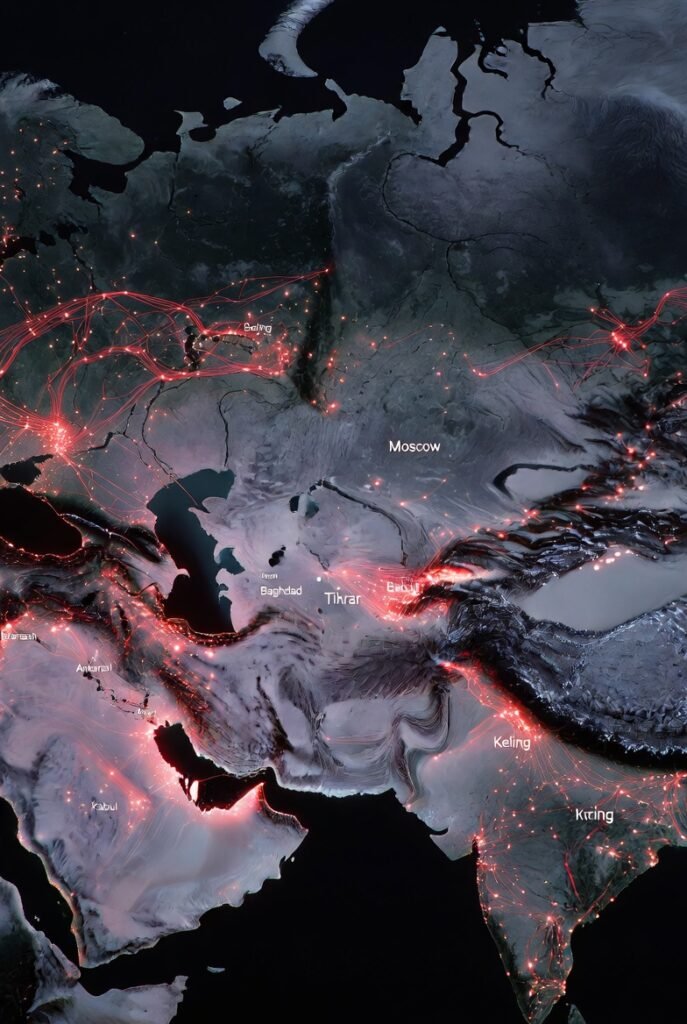
In the first quarter of 2026, Russia’s global strategy has moved far beyond the borders of Eastern Europe. While much of the Western media remains focused on the ongoing conflict in Ukraine, Moscow has quietly been building a new geopolitical architecture one that stretches from Central Asia to Sub-Saharan Africa and the shores of the Red Sea.
Understanding Russia’s geopolitical influence in 2026 requires looking beyond the battlefield. From energy deals to financial system alternatives and deepening military partnerships, the Kremlin is playing a long-term game — and according to analysts, it is making measurable gains.
One of the most significant developments of early 2026 is Russia’s formalization of what officials have called an ‘Eurasian Security Architecture.’ This framework is designed to integrate Russia’s military and economic interests with key partners across Central Asia, Iran, and the wider Middle East.
According to analysts at the Carnegie Endowment for International Peace, this approach represents a deliberate pivot away from traditional European dependency a process that accelerated sharply after 2022 sanctions began to reshape Russia’s trade patterns.
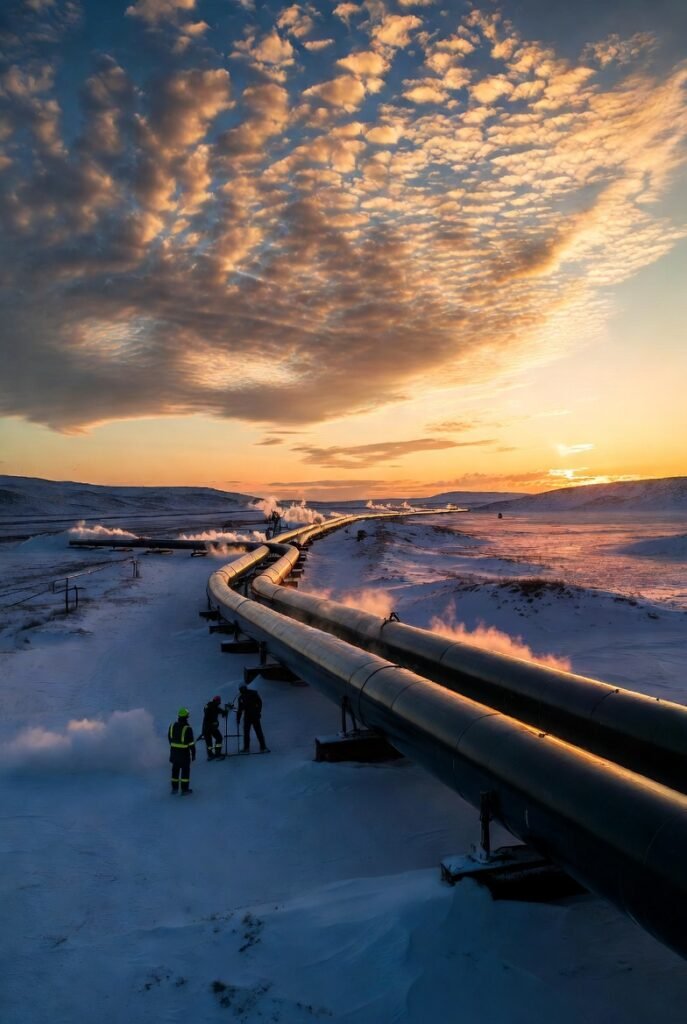
Russia has doubled down on energy diplomacy in 2026. With global oil supply under pressure partly due to renewed tensions in the Persian Gulf Moscow has leveraged its position as a top-three global oil exporter to negotiate long-term contracts with economies across Africa, Latin America, and Southeast Asia.
Many of these deals are reportedly structured in non-dollar currencies, a trend that has drawn attention from both the IMF and Western finance ministries concerned about the erosion of dollar dominance in global trade.
The single most significant tactical
The relationship between Russia and the Western alliance has entered what many security analysts describe as a ‘managed stalemate.’ NATO remains unified in its core commitments, but internal pressures including economic headwinds in the UK and political polarization in the United States have slowed the pace of coordinated policy responses.
Russia appears to be counting on this dynamic. Kremlin-linked commentators have repeatedly framed Western political turbulence as evidence that liberal democracies lack the institutional stamina for prolonged strategic competition.
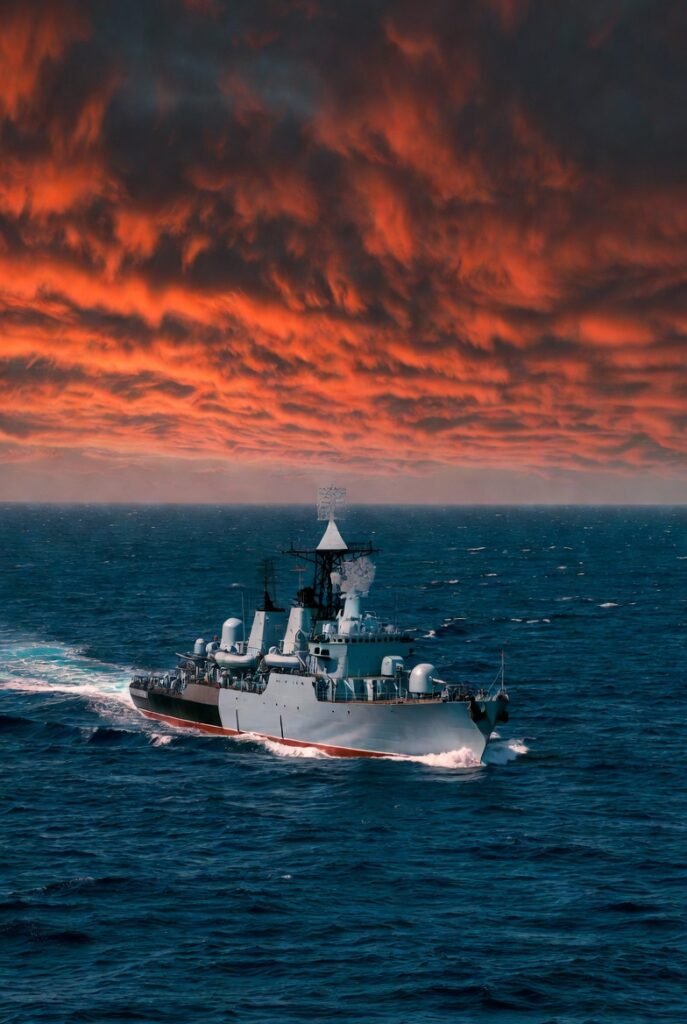
One visible indicator of Russia’s expanding reach in 2026 is its growing naval presence in the Mediterranean and the Red Sea corridor. Russian vessels have conducted joint maritime exercises with regional navies in both areas moves that Western defence officials have noted with concern, given their proximity to critical shipping lanes.
These activities do not constitute a direct military confrontation with NATO, but they do signal Russia’s intent to contest influence in spaces it previously had limited access to.
in the Duke vs Clemson matchup is not getting nearly enough attention. Clemson forward Carter Welling a 6-foot-11, 240-pound junior and one of the Tigers’ most versatile big men suffered a torn ACL in his right knee during Clemson’s second-round win over Wake Forest on Wednesday. He was helped from the court with a brace on his leg and did not return.
Welling averaged 10.2 points and 5.4 rebounds per game this season. Moreover, when Clemson last played Duke on February 14, Welling led all Clemson scorers with 12 points. Losing a 6-foot-11 interior presence against Cameron Boozer and Duke’s frontcourt rotation without having a like-for-like replacement fundamentally alters how coach Brad Brownell can match up with the Blue Devils.
Despite this, Brownell has kept his team focused and resilient. After Thursday’s win over North Carolina in which Clemson built an 18-point lead before surviving a furious Tar Heels rally the Clemson coach was candid: ‘I’m just glad we had the resolve to figure it out at the end. With our experience in those situations, I think we were able to come out with the win.’ Senior guard Dillon Hunter delivered 14 points and went 4-for-4 from the free throw line in the final minute, and six Tigers players finished in double figures. That depth will be critical tonight in compensating for Welling’s absence.
Perhaps the most surprising development for many Western economists is the relative resilience of Russia’s economy under sustained sanctions pressure. By early 2026, Russia has restructured significant portions of its industrial base around defence production with increased output of drones, artillery systems, and missile components.
Independent analysts, including those at the Stockholm International Peace Research Institute (SIPRI), have tracked rising Russian defence allocations as a proportion of GDP, though exact figures remain disputed due to limited budget transparency.
Russia has also made measurable progress in reducing its dependency on Western technology and financial systems. Alternative payment networks operating within the BRICS framework have expanded their reach, allowing Russia to conduct a growing share of its high-value energy trades in non-Western currencies.
Meanwhile, domestic investment in semiconductor manufacturing and AI-adjacent technologies has accelerated, though Russia still lags significantly behind both the US and China in cutting-edge chip production.
One of the most debated aspects of Russia’s foreign policy in 2026 is its self-appointed role as a ‘neutral broker’ in regional conflicts. Moscow has positioned itself as a mediator in several flashpoints offering security assurances to smaller nations looking to avoid alignment with either Washington or Beijing.
Critics argue this approach is deeply cynical that Russia benefits from global disorder and has an incentive to sustain it rather than resolve it. Supporters of Russian foreign policy, however, frame it as a legitimate challenge to what they call a unipolar order that has failed to deliver stability.
The reality, most independent analysts agree, lies somewhere in between. Russia is an opportunistic actor capable of exploiting instability but it is not the sole source of it.
The Russia geopolitical strategy 2026 is a structural realignment that will define international relations for the next generation. As Moscow expands its regional influence, the global power balance will continue to tilt away from traditional centers of authority. Staying informed on foreign policy shifts and military expansion updates is now essential for anyone attempting to forecast the future of global stability.
Russia’s 2026 strategy transcends physical borders, specifically targeting the ‘internal vulnerabilities’ of the West. Moscow has deployed a sophisticated web of ‘Subversion’ and ‘Information Manipulation’ designed to erode democratic institutions from within, particularly in Germany and France. By utilizing AI-generated disinformation and supporting populist movements, the Kremlin is effectively paralyzing European decision-making processes, ensuring a ‘free hand’ for Russian maneuvers in Ukraine and the Middle East.”
On this April 2, 2026, the Russia global influence 2026 is a testament to the power of strategic patience and asymmetric warfare. Moscow is no longer a pariah; it is the center of a new, anti-Western coalition that views the global power shift as inevitable. Whether the West can reform its democratic institutions in time to counter this expansion remains the defining question of the decade. One thing is certain: In the chaos of 2026, Russia has found its opportunity.


 Optimized by Seraphinite Accelerator