
Bank of England interest rates 3.75% Iran war
Thursday, Aprail 30, 2026 Trusted by millions worldwide Back to News Finance Interest rates held at 3.75% as Bank of...
Read More → Thursday, Aprail 30, 2026
Trusted by millions worldwide
Kimmel Trump King Charles joke The exchange highlights how late-night shows continue to play a role in shaping public conversation, blending entertainment with commentary on current events.
Kimmel Trump King Charles joke Late-night television host Jimmy Kimmel has weighed in on a moment involving Donald Trump and King Charles III, using humor to comment on remarks made during their meeting. The segment, delivered during Kimmel’s monologue, quickly gained attention for its satirical take on political interactions and public statements.
The exchange highlights how late-night shows continue to play a role in shaping public conversation, blending entertainment with commentary on current events.
The discussion began after remarks made by Donald Trump during a meeting with King Charles III. The comments, interpreted humorously by observers, became a focal point for media and entertainment analysis.
Key aspects of the moment:
These triggered responses.
Jimmy Kimmel addressed the moment during his late-night show, using his signature comedic style. He joked that Trump “should be fired for that,” framing the remark as part of a broader comedic critique.
Highlights of Kimmel’s segment:
This shaped the narrative.
Late-night television has become an influential space for political commentary. Hosts often analyze events through humor, making complex issues more accessible.
Key functions:
These define the format.
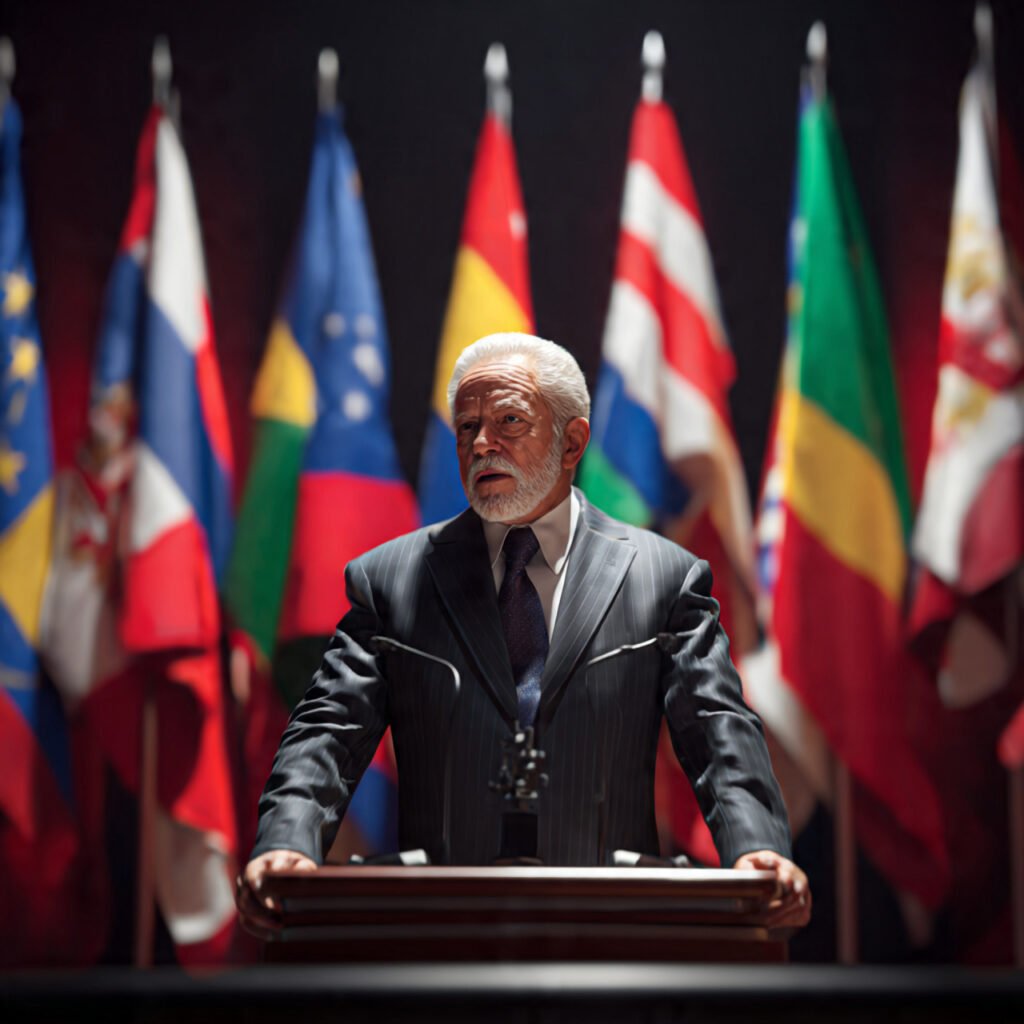
Comedy can serve as a tool for critique. By using humor, commentators highlight aspects of political behavior and public communication.
Benefits of humor:
This influences perception.
The segment generated reactions across media and social platforms. Viewers often engage with political humor differently depending on perspective.
Common reactions:
These reflect diverse views.
Donald Trump has long been a central figure in media discussions, including entertainment programming. His public statements frequently become topics for commentary.
Media factors:
These maintain attention.
The meeting with King Charles III carries diplomatic significance, representing relations between the United States and the United Kingdom.
Key diplomatic elements:
These add context.
Political satire is an important part of free expression in many societies. It allows individuals to comment on public figures and events.
Core aspects:
These support democratic dialogue.

While comedy is primarily entertainment, it can influence how audiences view political figures and events.
Influence factors:
These shape perception.
Kimmel is one of several hosts who comment on political developments. Each brings a unique style and perspective.
Common approaches:
These vary across shows
The interaction between political figures and entertainment commentary often becomes a news topic itself.
Coverage includes:
These extend reach.
Political humor reflects cultural attitudes and public mood. It can highlight generational and societal perspectives.
Cultural aspects:
These influence impact.

While humor is widely accepted, discussions often arise about maintaining respect in commentary involving public figures.
Key considerations:
These guide discussions.
The interaction between politics and entertainment continues to evolve. Late-night shows remain part of the broader media ecosystem.
Implications include:
These shape trends.
Jimmy Kimmel’s response to Donald Trump’s remarks during a meeting with King Charles III highlights the ongoing relationship between politics and entertainment. Through satire and humor, late-night hosts provide commentary that resonates with audiences while contributing to broader discussions about public figures and communication. As media landscapes evolve, such moments continue to illustrate how humor plays a role in shaping public discourse.