
Sunday, April 12, 2026
Trusted by millions worldwide
Politics
US-Iran Islamabad peace talks collapse after 21 hours. VP Vance leaves a final offer. Tankers U-turn as ceasefire deadline looms April 22.
Islamabad Peace Summit Deadlock April 12, 6:30 PM PKT: VP JD Vance has departed Islamabad. No agreement signed. White House confirms ‘final offer’ left with Pakistani intermediaries. Iranian delegation in emergency consultations with Tehran. Ceasefire expires April 22. Brent Crude up $4.20 in after-hours trading.
Islamabad Peace Summit Deadlock: Vance Departs, Tankers U-Turn, and the Clock Ticks Toward War
The Islamabad Peace Summit deadlock is now official. After 21 hours of marathon negotiations over two days at Pakistan’s Foreign Office, the US-Iran diplomatic process has stalled without a signed agreement. As a result, with Vice President JD Vance now airborne back to Washington, the fragile two-week ceasefire remains the only barrier preventing a return to active hostilities after forty days of conflict.
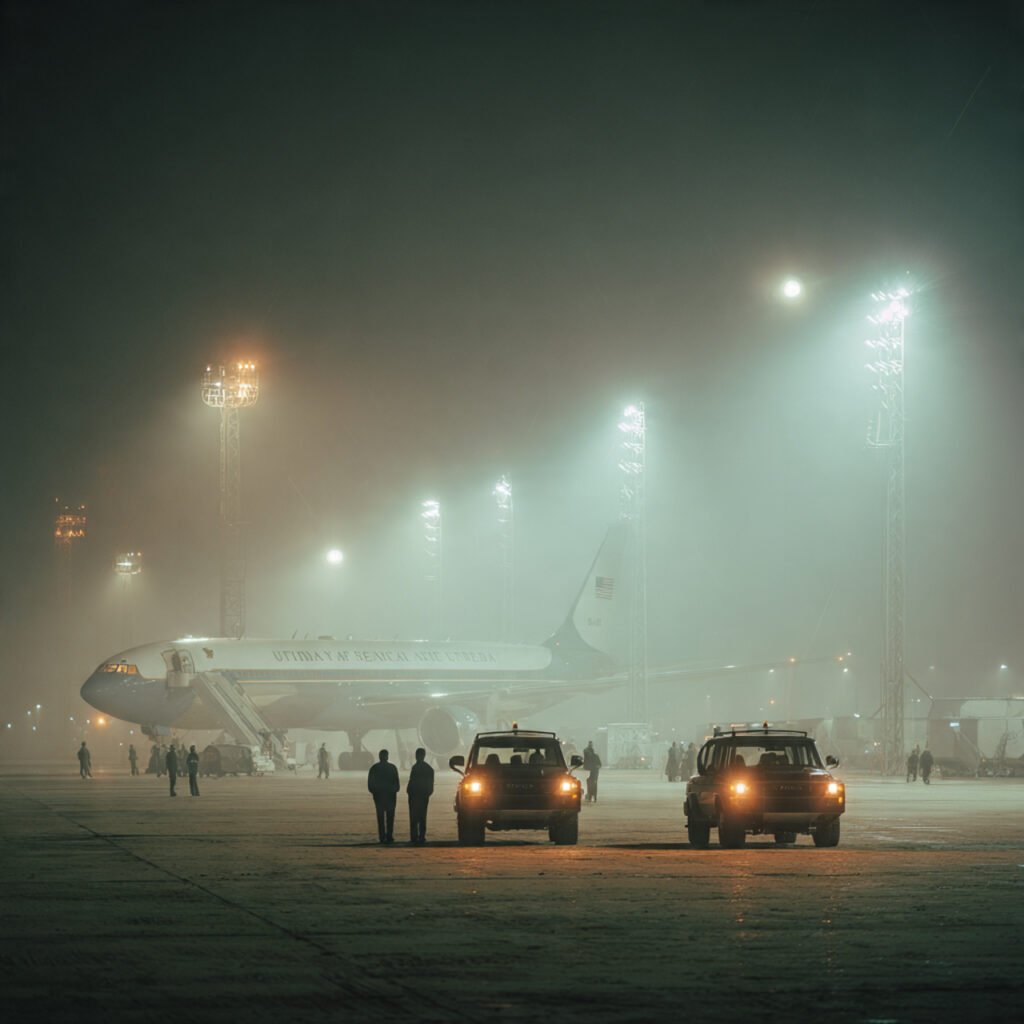
Meanwhile, Vance departed Islamabad International Airport at approximately 5:15 PM Pakistan time on April 12. He left behind what the White House described as a “comprehensive and fair final offer,” which Pakistani intermediaries are expected to transmit to Tehran. However, the offer remains on the table, and neither the Iranian delegation in Islamabad nor the leadership in Tehran has issued any public response as of this report’s publication. For now, the diplomatic silence continues to deepen uncertainty.
Why 21 Hours of Talks Could Not Close the Gap
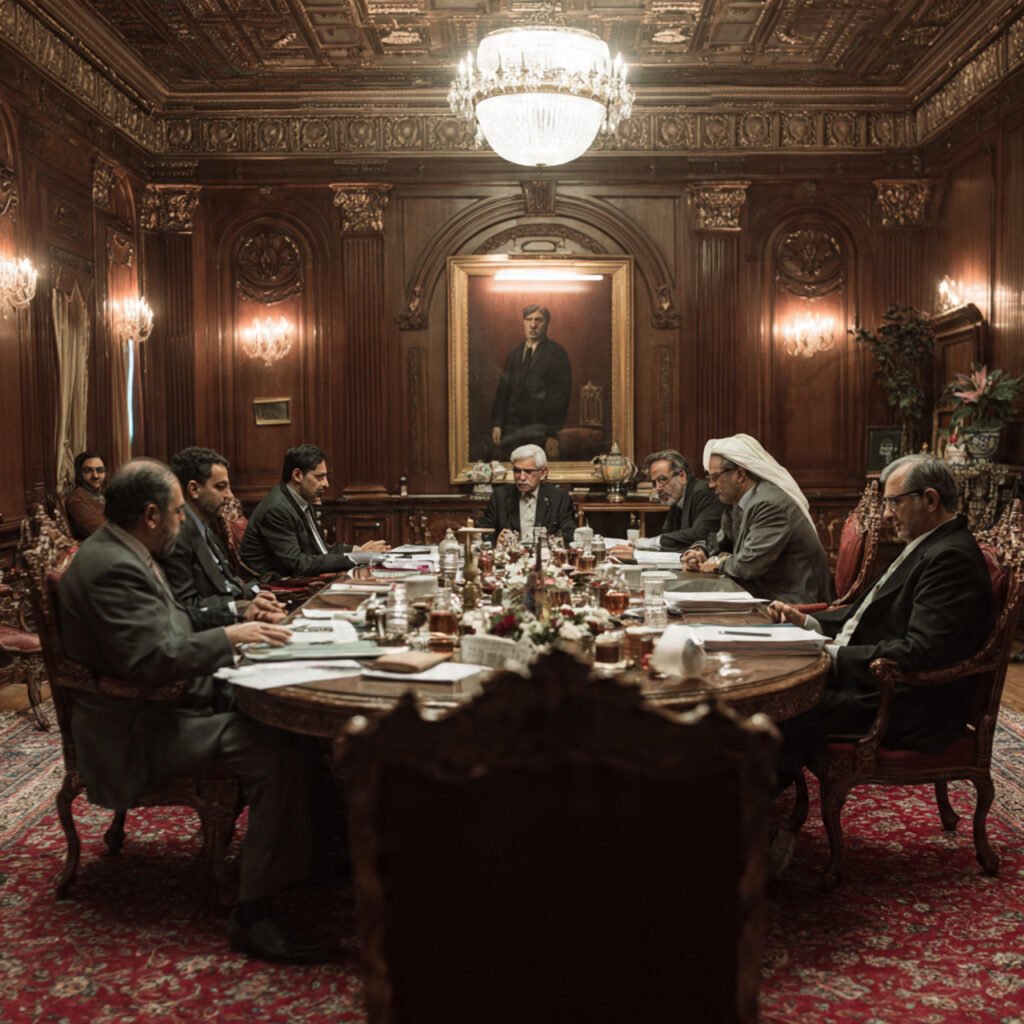
Both delegations entered the April 10–12 sessions aware of the three core issues that separated them. None were fully resolved, and the failure to bridge even one of them proved sufficient to prevent a framework agreement from being signed.
The Nuclear Enrichment Impasse
The deepest and most structurally intractable dispute involves Iran’s uranium enrichment programme. The US delegation, led by Vance with backing from the National Security Council, demanded a full and permanent halt to enrichment above five percent the level at which uranium becomes usable for weapons-grade material. Iran’s position, articulated by Foreign Minister Abbas Araghchi and confirmed in statements carried by IRNA, is that enrichment is an inalienable sovereign right that cannot be surrendered without a legally binding, permanent guarantee against future US or Israeli military strikes on Iranian nuclear facilities.
No such guarantee was offered by the American side. The gap between ‘halt enrichment now’ and ‘guarantee our security first’ is not a scheduling problem or a financial formula problem it is a fundamental question of sequencing that neither government appears willing to resolve on the other’s terms.
The $27 Billion in Frozen Assets
The second major sticking point is financial. Iran’s delegation demanded the immediate, unconditional release of approximately $27 billion in Iranian central bank assets currently frozen in international financial institutions under US-administered sanctions regimes. The US counter-proposal offered a phased release tied to measurable compliance benchmarks: a portion released upon agreement signature, further tranches linked to verified restrictions on enrichment activity, and a final release upon IAEA inspection confirmation.
Tehran’s objection is both practical and principled. Practically, Iran argues it cannot rebuild its sanctions-damaged economy on conditional payments that Washington could withhold at any time. Principally, the Iranian government views the frozen assets as funds that were already legally Iran’s before sanctions were applied not as a concession to be earned through compliance. The two frameworks for understanding the same money could not be reconciled in the time available.
Strait of Hormuz: The Maritime Deadlock
The Hormuz question, which had appeared closest to resolution after progress on Day 2, ultimately failed to produce a signed agreement. Earlier in the week, the Joint Maritime Coordination Mechanism framework had shown promise. However, talks broke down over the issue of US carrier group positioning.
Iran demanded that the two US carrier strike groups currently stationed in the Gulf of Oman withdraw beyond the Strait of Malacca, thousands of kilometres away, as a precondition for unrestricted commercial tanker access. Washington, however, refused to link naval positioning with the maritime access issue. Instead, US officials described the demand as an attempt to use the Hormuz framework as leverage to reduce America’s regional military presence.
Tankers U-Turn: The Immediate Maritime Fallout
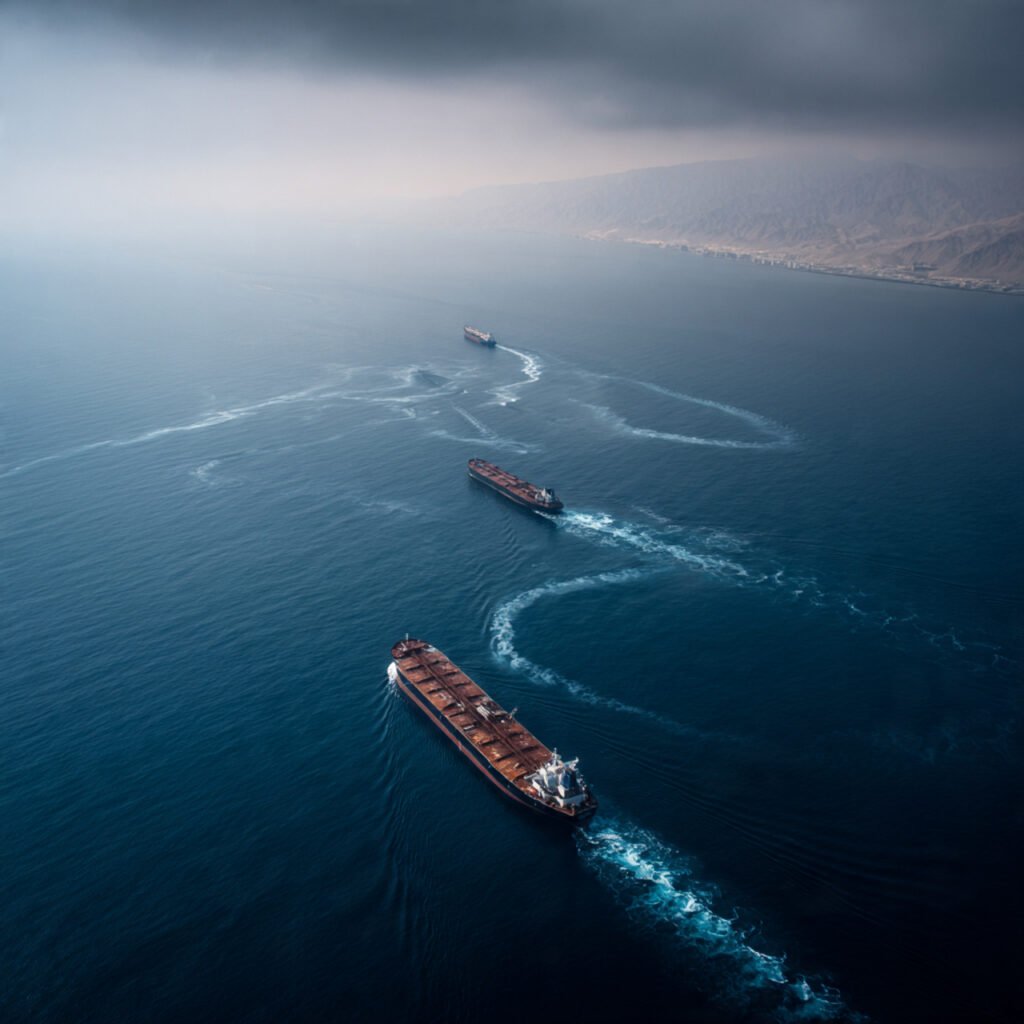
The breakdown of talks produced an immediate and visible response in the world’s most critical shipping lane. According to shipping movement data tracked by Kpler, at least a dozen large crude oil tankers that had been positioning to transit the Strait of Hormuz from the Arabian Sea side reversed course within hours of Vance’s departure announcement. Captains received instructions from their operators to hold in international waters pending a clearer assessment of the security environment.
Insurance Premiums and the 'Risk Tax'
For the global shipping industry, renewed uncertainty around Hormuz passage now carries immediate financial consequences. During the ceasefire period, war-risk insurance premiums for vessels transiting the strait had started to ease. However, according to Lloyd’s of London risk assessors, those premiums jumped sharply again on April 12. The increase effectively adds hundreds of thousands of dollars to the cost of a single tanker transit, a burden that is ultimately passed downstream to fuel and consumer goods prices. (The Guardian)
Meanwhile, Kpler data indicates that scheduled transit volumes through the strait fell by approximately 15 percent compared with the previous seven-day average, as operators paused shipments pending diplomatic clarity. If this reduction continues for more than 72 hours, energy analysts at S&P Global Commodity Insights have warned of a meaningful tightening in global refined product markets. As a result, petrol and diesel prices across Europe and Asia could begin rising at the pump within days. (The Times)
The Ceasefire Clock: Ten Days Remaining
The most pressing immediate question is what happens to the provisional ceasefire. The truce agreed on April 7 expires on April 22 ten days from today. The ceasefire has no automatic renewal mechanism. If neither side requests an extension and no framework agreement is reached before midnight on April 22, both governments would technically be free to resume offensive operations.
Military Readiness on Both Sides
US Central Command confirmed on April 12 that Navy destroyers operating in the Persian Gulf had conducted what the Pentagon described as “routine maritime security operations,” including the clearance of unspecified underwater obstacles in international waters near the southern entrance to the strait. (Anadolu Ajansı)
However, Iran’s IRGC Navy characterised the same activity as “provocative” and “a violation of the spirit of the ceasefire” in a statement carried by Tasnim News Agency. (Anadolu Ajansı)
No shots have been fired so far. Still, the gap in language between a “routine security operation” and a “ceasefire violation” highlights how quickly the situation could escalate under the wrong circumstances. (Anadolu Ajansı)
The Miscalculation Risk
The period between a failed diplomatic process and either a new agreement or a resumption of hostilities is historically the most dangerous phase of a conflict cycle. Both sides have large numbers of armed personnel and military platforms operating in close proximity, under high-readiness conditions, with political leaders under domestic pressure not to appear weak. A single misidentified aircraft, an unannounced naval movement, or an action by a regional proxy group could trigger a response that neither capital intends but neither can easily walk back.
Pakistan's Mediation: A Partial Victory in Defeat
The failure to produce a signed agreement does not erase Pakistan’s achievement in hosting the talks. Foreign Minister Ishaq Dar, speaking to reporters outside the Foreign Office on the evening of April 12, described the sessions as ‘the most substantive direct exchange between Washington and Tehran in a generation’ and confirmed that Pakistan remains formally willing to host a second round if both parties indicate readiness. ‘The door that Pakistan opened this week has not been closed by today’s outcome,’ Dar said. ‘It has been left ajar.’
Shehbaz Sharif’s International Standing
Prime Minister Shehbaz Sharif has received direct expressions of support from the European Union’s High Representative Kaja Kallas, UN Secretary-General Guterres, and China’s Foreign Ministry all of which praised Pakistan’s facilitation role even as they noted disappointment at the absence of an agreement. China’s reaction is particularly significant: Beijing’s explicit public endorsement of Pakistan’s mediating role signals a degree of international legitimacy for Islamabad’s diplomatic positioning that has tangible value in Pakistan’s ongoing multilateral relationships, including its IMF programme negotiations.

Live Status April 12, 2026, 7:00 PM PKT
- US: VP Vance is airborne to Washington. White House Press Secretary confirmed ‘the offer stands’ but declined to specify a response deadline for Tehran.
- Iran: President Pezeshkian and Speaker Ghalibaf are in emergency session with the Supreme National Security Council in Tehran. No public statement issued as of publication.
- Military: No shots fired as of 7:00 PM PKT. Both US and Iranian naval forces remain at high alert in the Persian Gulf and Gulf of Oman.
- Markets: Brent Crude up $4.20 in after-hours trading, moving toward $118. Goldman Sachs analysts have issued a note warning of $125 if no extension of ceasefire is announced within 48 hours.
- Pakistan: FM Dar available for shuttle communication with both sides. Pakistani Foreign Office lights remain on.
The next forty-eight hours will determine whether the Islamabad process produces a late-stage breakthrough or dissolves into a return to conflict. Both governments know what the alternatives look like. Whether that knowledge is sufficient to bring them back to the table is the question the world is waiting to have answered.
Frontier Affairs will update this article as developments emerge. Follow our live coverage feed throughout the evening.
Related News

IRS COVID refund deadline 2026
May 4, 2026 | by mavia fazal
Monday, May 4, 2026 Trusted by millions worldwide Back to News Finance IRS COVID Refund Deadline 2026: Millions of Americans...
Read More → 
Warnock reaction Voting Rights Act Supreme Court
May 4, 2026 | by mavia fazal
Monday, May 4, 2026 Trusted by millions worldwide Back to News Politics Warnock recently reacted to a U.S. Supreme Court...
Read More →