Trump deportation contempt blocked 2026
Wednesday, April 15, 2026 Trusted by millions worldwide Back to News Politics Appeals Court Halts Trump Deportation Contempt Probe in...
Read More → 
Wednesday, Aprail 15, 2026
Trusted by millions worldwide
Google Pixel 10 2026 Meanwhile, newer entrants such as Nothing continue to carve out niche audiences, with the Nothing Phone 3a reportedly seeing strong demand in the UK and India. However, their scale remains a fraction of the three market leaders.
Google Pixel 10 2026 The global smartphone market is going through one of its most turbulent periods in years and yet, amid a wave of falling sales and rising component costs, one brand is quietly pulling ahead. Google Pixel 10 has emerged as the surprise success story of 2026, recording 14% year-over-year growth in Q1 while the broader market contracted by 6%, according to industry analysts. With the Pixel 10 Pro taking on the iPhone 17 Pro Max and Galaxy S26 Ultra in the most competitive flagship cycle in recent memory, the question is no longer whether Google can compete but whether it can lead.
Google Pixel 10 2026 Global smartphone shipments have dropped for the second consecutive quarter in 2026, squeezed by a persistent memory chip shortage and consumer spending fatigue in key markets including Europe and Southeast Asia. Samsung’s Galaxy S26 series faced a delayed launch, while several mid-range Android brands have seen double-digit shipment declines.
Google, however, bucked the trend. The Pixel 10 series powered by the in-house Tensor G5 chipset has attracted a record number of switchers from both Apple and Samsung ecosystems. Analysts attribute this partly to Google’s sharper pricing strategy and partly to a growing consumer appetite for AI-first features built directly into the hardware.
The chip is specifically designed to run Google’s AI models on-device, without sending data to the cloud. This powers features such as
Have you switched to Pixel, stayed with iPhone, or chosen Samsung this cycle? Share your experience in the comments below.
Staying informed on Google Pixel Growth 2026 developments and new flagship smartphones 2026 transitions is now essential for understanding the future of mobile competition and the performance upgrades risks of the “Silicon Decade.”
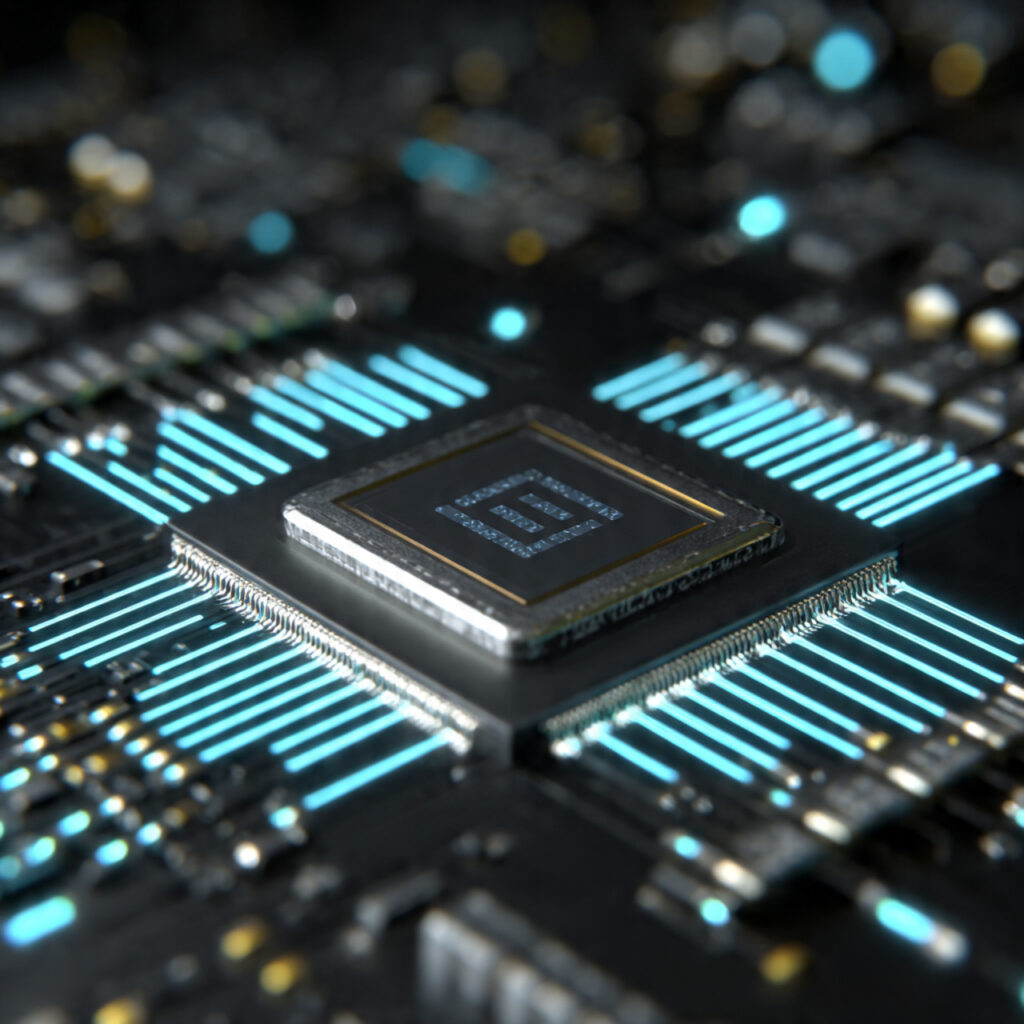
Previous Pixel generations were often criticised for falling short of Apple’s A-series chips in raw CPU performance. The Tensor G5 changes that conversation not by beating rivals on benchmarks, but by doing something different.
The chip is specifically designed to run Google’s AI models on-device, without sending data to the cloud. This powers features such as:
These features are deeply integrated with Android 16, which ships exclusively on Pixel devices for the first three months a significant competitive advantage in a market where software differentiation increasingly matters.
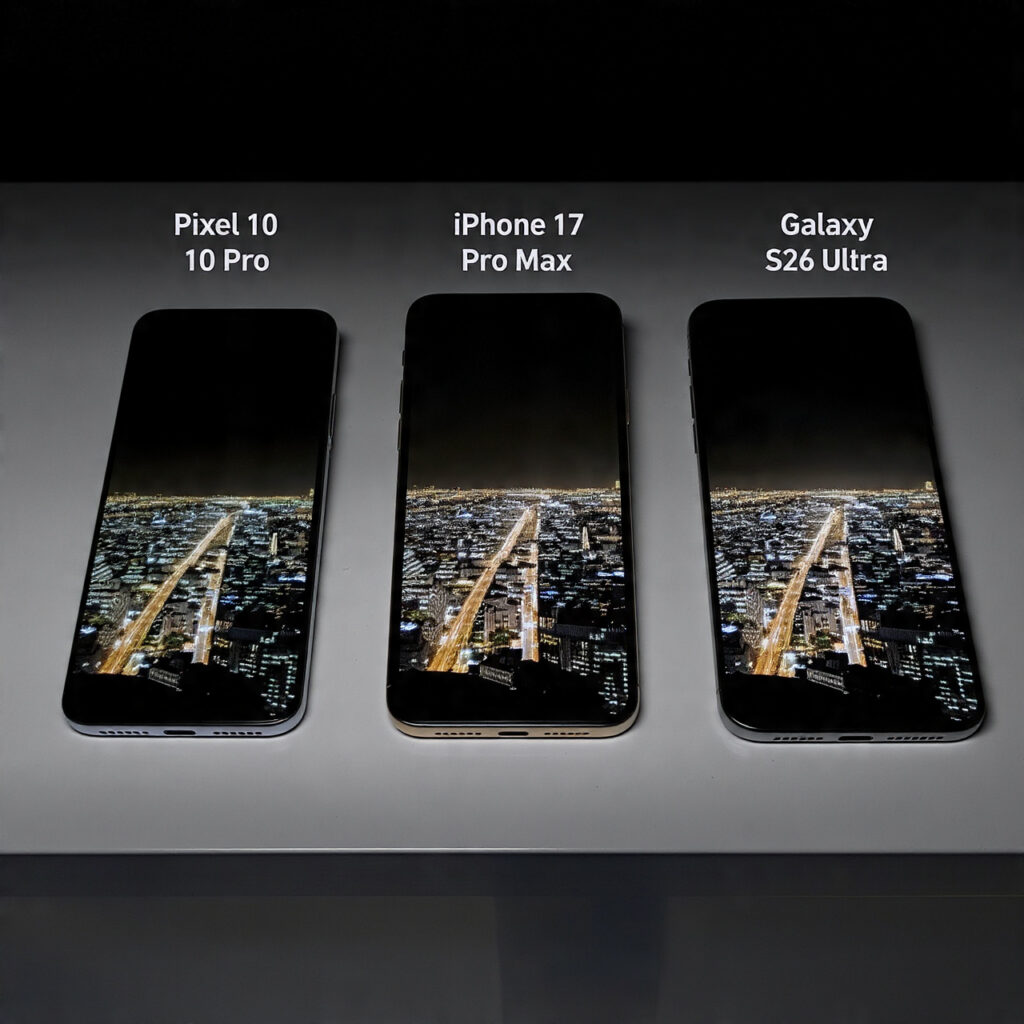
Camera quality remains the single most important purchase driver for premium smartphone buyers, according to multiple consumer surveys. Here is how the three flagship leaders compare as of April 2026:
Features a new triple-layer 50MP main sensor with improved dynamic range and a 5x periscope telephoto. Computational photography driven by the Tensor G5 means the Pixel continues to lead in low-light stills and portrait accuracy. Video stabilisation has been significantly improved over the Pixel 9.
Retains the strongest video performance of any smartphone on the market, with ProRes 4K at 120fps and a dedicated camera control button. The A19 Pro chip ensures faster processing of RAW photos. Apple’s consistent colour science remains a key differentiator for professionals.
Despite its delayed release, the S26 Ultra’s 200MP main sensor and 10x optical zoom continue to set the bar for zoom photography. Galaxy AI features including the new Photo Remaster Pro — are compelling, though some remain cloud-dependent, unlike Pixel’s on-device approach.
Despite Google’s momentum, Apple remains the global market leader with approximately 21% market share and steady 5% year-over-year growth. The iPhone 17 series has benefited from aggressive trade-in promotions and Apple’s deeply loyal customer base.
Samsung holds the largest share of the Android premium segment, but its temporary S26 launch delay opened a window for Google to gain ground among consumers who were ready to upgrade.
Meanwhile, newer entrants such as Nothing continue to carve out niche audiences, with the Nothing Phone 3a reportedly seeing strong demand in the UK and India. However, their scale remains a fraction of the three market leaders.
The right flagship depends entirely on what you prioritise. Here is a straightforward breakdown:
The 2026 flagship race is the most genuinely competitive it has been in years. Google’s Pixel 10 has proven that deep software integration can be as powerful a selling point as raw hardware specifications. Apple continues to deliver the most polished overall experience, while Samsung holds firm with its versatile hardware range.
What is clear is that the era of “AI-first” smartphones is no longer a promise it is here. Whichever brand you choose in 2026, you will be getting a device that is smarter, faster, and more capable than anything that came before it.
Have you switched to Pixel, stayed with iPhone, or chosen Samsung this cycle? Share your experience in the comments below.