Europe political crisis 2026
Saturday, Aprail 4, 2026 Trusted by millions worldwide Back to News Polotics Europe Political Divide 2026: Leaders Clash Over Economy...
Read More → 

Saturday, Aprail 4, 2026
Trusted by millions worldwide
The Europe political crisis of 2026 is no longer a bureaucratic dispute it is a fundamental debate about what kind of union Europe wants to be.
Europe political crisis 2026 Europe is facing one of its most serious internal political crises in years. Ahead of key EU budget negotiations, the continent’s leaders are sharply divided on three fronts: how much to spend on defense, how fast to implement green energy policy, and who should have the final say in European governance. The Europe political crisis of 2026 is no longer a bureaucratic dispute it is a fundamental debate about what kind of union Europe wants to be.
The divisions have intensified following a contentious emergency summit in Brussels in late March 2026, where negotiations over the 2026–2030 EU Multiannual Financial Framework (MFF) broke down after more than fourteen hours of talks. No agreement was reached, and a follow-up session has been scheduled for mid-April.
The most urgent flashpoint is military spending. Eastern European member states led by Poland, the Baltic nations, and Romania are pushing for a dedicated European Defense Fund worth over €100 billion over five years. Their argument is straightforward: with U.S. foreign policy increasingly focused on the Indo-Pacific region, Europe cannot rely on Washington to guarantee its eastern borders.
Polish Prime Minister Donald Tusk has been among the loudest advocates for an accelerated European defense posture. At the March summit, he argued that ‘the era of strategic outsourcing is over’ and called for a binding EU-wide commitment to defense investment as a percentage of GDP.
However, Northern European nations Germany, the Netherlands, and the Scandinavian bloc are pushing back hard. Their governments argue that massive defense expenditures, layered on top of post-pandemic recovery debts, pose an unacceptable risk to Eurozone economic stability. Germany’s Finance Ministry has repeatedly stressed that any new spending must be offset by cuts elsewhere or funded through new revenue mechanisms.
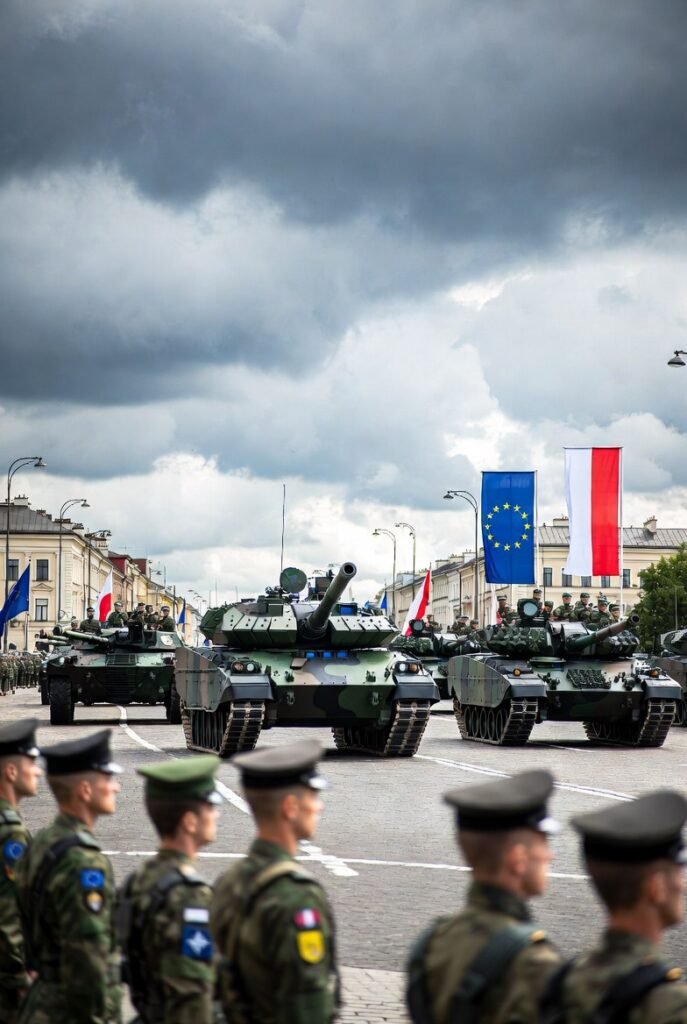
The proposal calls for pooling national defense budgets into a centralized EU fund, enabling joint procurement of weapons systems, military equipment, and cyber defense infrastructure. Proponents say this would give Europe far greater purchasing power and strategic coherence. Critics including several smaller neutral states like Austria and Ireland worry it would effectively create a European army under Brussels’ control, bypassing national parliaments
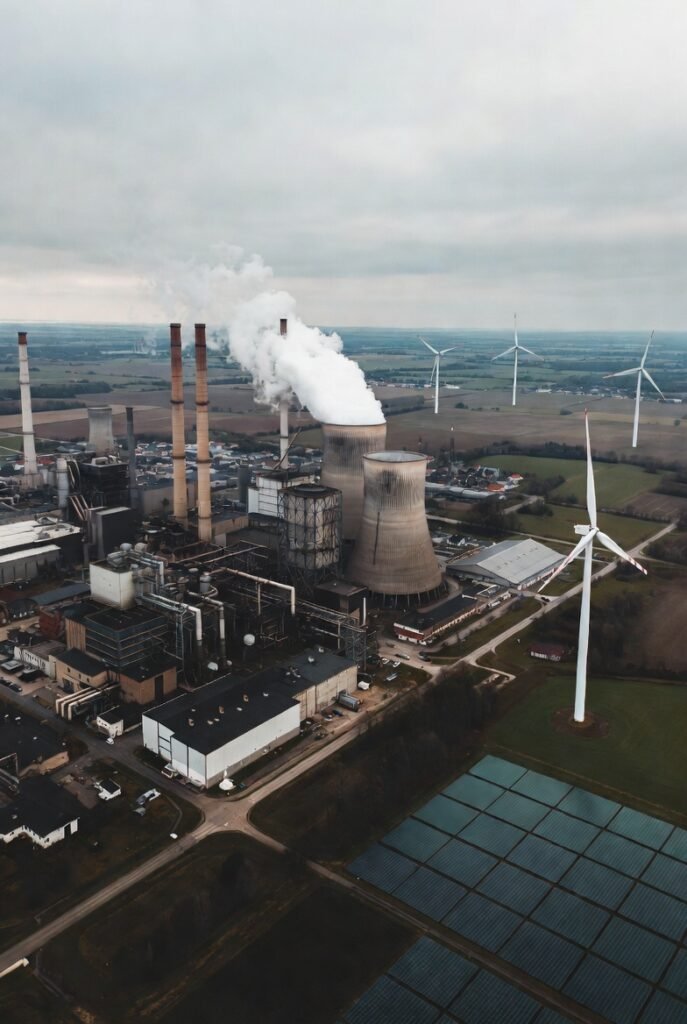
Alongside the defense debate, Europe’s Green Industrial Act — the centrepiece of the EU’s decarbonisation strategy — is under severe political pressure. Initially celebrated as a bold climate commitment, the Act now faces a backlash from several Southern and Eastern member states who say the pace of the green transition is causing genuine economic damage.
Hungary, Italy, and Slovakia have cited rising industrial energy costs as a direct consequence of phasing out fossil fuel subsidies ahead of schedule. Italian Prime Minister Giorgia Meloni has called for a ‘competitiveness pause’ — a two-year freeze on the most stringent emissions requirements for energy-intensive industries.
The European Commission, led by President Ursula von der Leyen, has so far refused to back down on the core timelines. However, officials have acknowledged the need for ‘targeted flexibility’ in implementation — a phrase critics say is a diplomatic softening of the original targets.
Economists warn that without competitive energy prices, European manufacturers in sectors like steel, cement, and chemicals may accelerate plans to relocate production to the United States or Southeast Asia .
Perhaps the most structurally significant dispute of 2026 is the fight over EU voting rules. The European Commission has renewed its push to abolish national veto rights in key policy areas, including taxation, foreign policy, and most controversially security spending.
Under the current system, certain decisions require unanimity, meaning any single member state can block a proposal. The Commission argues this makes the EU dangerously slow in responding to geopolitical threats. At least six member states including Hungary and Slovakia have launched constitutional challenges to any proposed reforms, arguing that removing the veto would undermine national sovereignty.
This standoff has created what analysts are calling ‘legislative paralysis.’ With unanimity required to change the unanimity rules, reformers find themselves trapped in a procedural catch-22.
The political backdrop to all of this is the surge of nationalist and sovereignty-focused parties across the continent. In Germany, Austria, France, and the Netherlands, parties advocating for a reduced EU role in national affairs have made significant gains in recent regional and national elections.
This electoral pressure is making it harder for mainstream leaders to make concessions at the European level. Any deal struck in Brussels must then be sold to voters at home an increasingly difficult task when nationalist opposition frames every compromise as a surrender of sovereignty.
European leaders face a series of hard deadlines in the coming weeks. The next scheduled emergency summit is set for April 17, 2026, where negotiators will attempt to bridge the gap on defense funding. If no agreement is reached by the end of May, the EU risks entering its 2027 fiscal year without an agreed budget framework a scenario that would trigger provisional spending rules and limit the Commission’s ability to launch new initiatives.
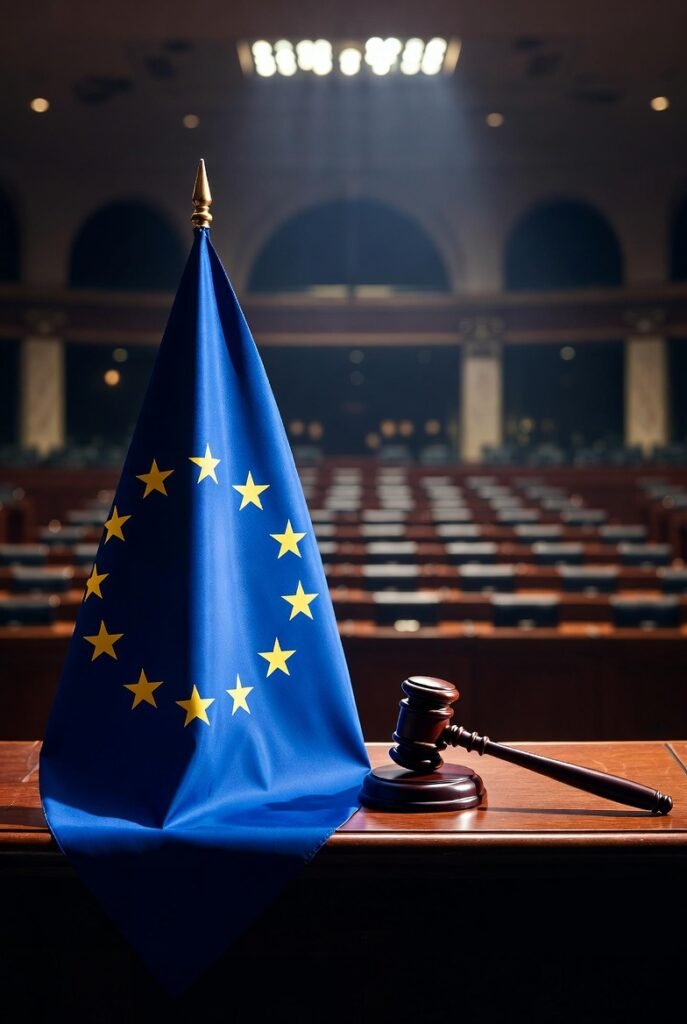
The Europe political tensions 2026 represent a structural realignment of the continental order. As the policy disagreements continue, the EU governance will remain under extreme pressure. Staying informed on defense strategy shifts and economic pressure updates is now essential for understanding the future of European stability.
The Europe Leaders Clash 2026 is not merely a debate over numbers; it is a battle for the soul of the Union. The EU economic and security conflict represents a fundamental political divide that may define the next decade of the continent’s history. Whether the current EU political instability leads to a “Multi-Speed Europe” or a total institutional reset will depend on the “Key Decisions” made before the summer recess. In 2026, the cost of leadership conflict has never been higher.


 Optimized by Seraphinite Accelerator