China global strategy 2026
Saturday,Aprail 4, 2026 Trusted by millions worldwide Back to News Polotics China Political Expansion 2026: Strengthening Global Influence Frontier Affairs...
Read More → 

Saturday,Aprail 4, 2026
Trusted by millions worldwide
Understanding what is driving this shift and who stands to be affected has become essential reading for policymakers, investors, and everyday citizens alike.
China’s global strategy in 2026 has moved well beyond building roads and ports. Beijing is now executing one of the most ambitious diplomatic and technological influence campaigns in modern history and much of the world is still catching up to what that means. From digital governance exports across Africa to debt-restructuring diplomacy in South Asia, China is no longer simply participating in the international order. It is actively working to redesign it.
Understanding what is driving this shift and who stands to be affected has become essential reading for policymakers, investors, and everyday citizens alike.
For years, China’s primary international calling card was the Belt and Road Initiative (BRI) a trillion-dollar infrastructure programme connecting Asia, Africa, and Europe through Chinese-financed ports, railways, and highways. By early 2026, however, the BRI has been largely supplemented by a broader, more sophisticated set of policy tools.
Beijing now centres its outreach around three interconnected initiatives: the Global Development Initiative (GDI), the Global Security Initiative (GSI), and the Global Civilization Initiative (GCI). Together, analysts describe these as a coherent alternative framework to Western-led international institutions one that explicitly avoids conditions related to human rights or democratic governance.
This approach has found a willing audience. In March 2026, a record number of governments across the Global South particularly in Sub-Saharan Africa, Southeast Asia, and parts of the Middle East have formally aligned with one or more of these frameworks, according to analysts tracking multilateral engagement.
Critics argue these technologies come embedded with Beijing’s technical standards effectively locking partner nations into a Chinese-led digital ecosystem before they fully realise the implications.
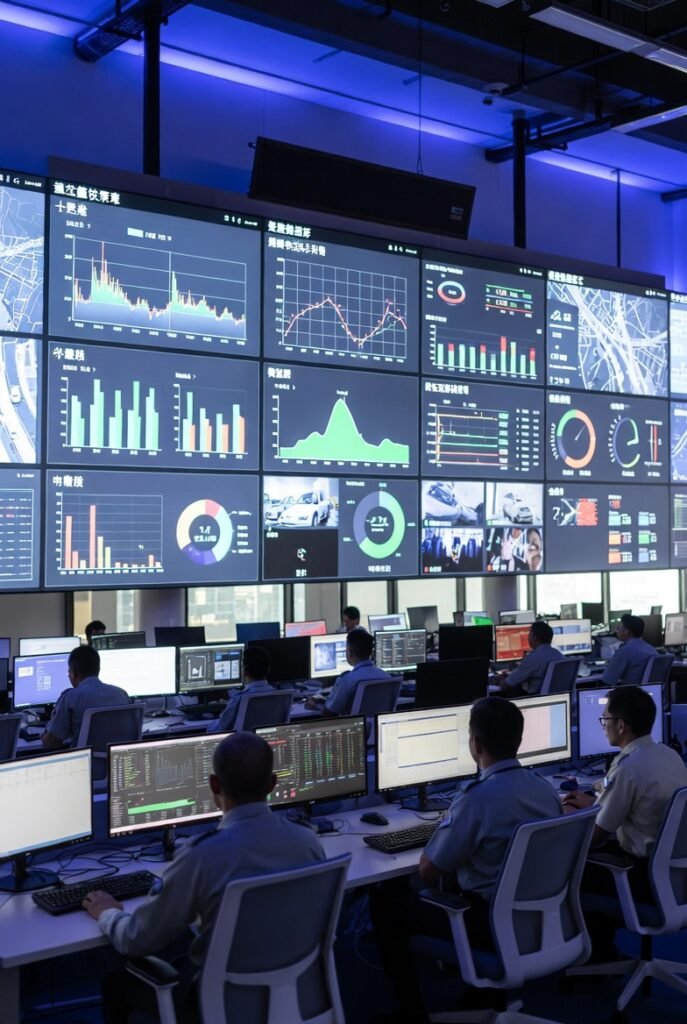
Perhaps the most consequential and least discussed aspect of China’s outreach in 2026 is the export of digital governance technology. Chinese firms with state backing have supplied AI-assisted administrative systems, surveillance infrastructure, and national data platforms to dozens of developing nations.
Critics argue these technologies come embedded with Beijing’s technical standards effectively locking partner nations into a Chinese-led digital ecosystem before they fully realise the implications. Supporters counter that these tools are affordable and functional, filling gaps that Western donors have long ignored.
One of the defining criticisms of China’s overseas engagement has been what observers call “debt-trap diplomacy” the accusation that Chinese loans are structured to extract geopolitical concessions when borrowers default. Beijing has consistently rejected this label.
In March 2026, a more nuanced picture has emerged. Rather than outright defaults, China has increasingly offered debt-for-equity swaps, renegotiated repayment terms in exchange for expanded access to ports or natural resources, and used loan restructuring to strengthen bilateral political ties. The net effect, analysts note, is a gradual deepening of economic interdependency that translates into voting alignment within institutions like the UN General Assembly and the African Union.
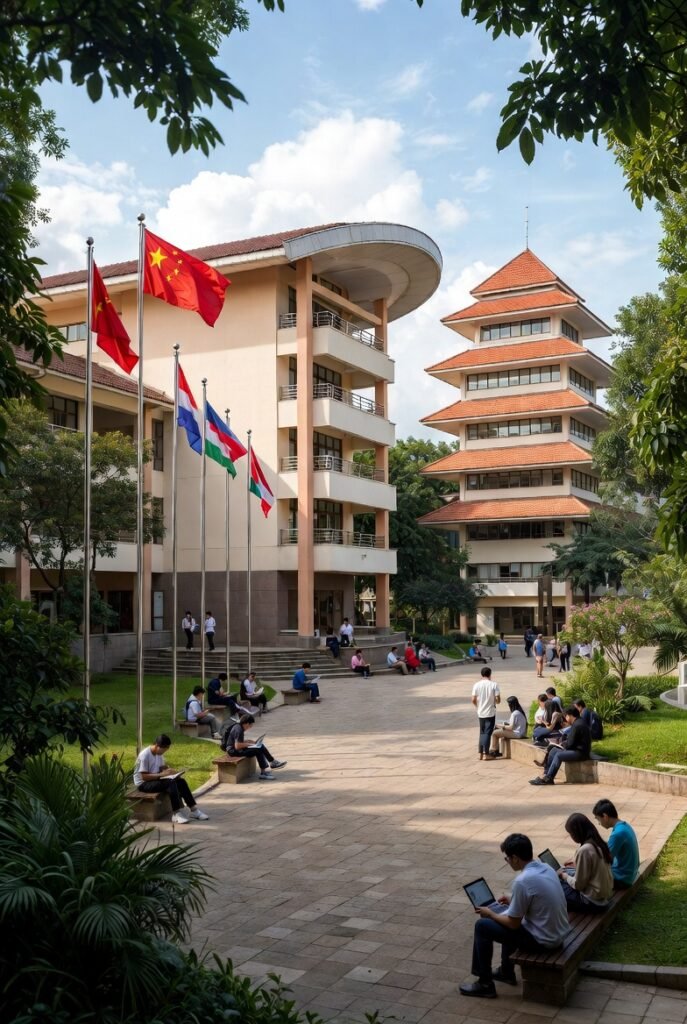
China’s soft power strategy in 2026 is built for the long term. Through expanded Confucius Institute networks, state-sponsored media partnerships, and government scholarship programmes, Beijing has significantly increased the number of foreign students, officials, and journalists who receive their international education through Chinese institutions.
This is not simply cultural exchange. Officials trained in China’s governance model carry those frameworks home with them. Journalists who have worked within Chinese media ecosystems often develop a more favourable framing of Beijing’s policies. Over a generation, analysts argue, these relationships shift how foreign governments perceive China’s role in global affairs.
Few developments have reshaped perceptions of China’s diplomatic reach more than its 2023 role in brokering the Iran-Saudi Arabia normalisation agreement. By March 2026, Beijing has built on that precedent, positioning itself as a neutral mediator in several ongoing regional disputes a role previously dominated by the United States and European powers.
Across the Global South, China’s pitch is straightforward: development partnerships without political conditions, crisis mediation without military intervention, and trade relationships built on mutual economic interest. For many governments exhausted by decades of conditional Western aid, this offer holds genuine appeal.
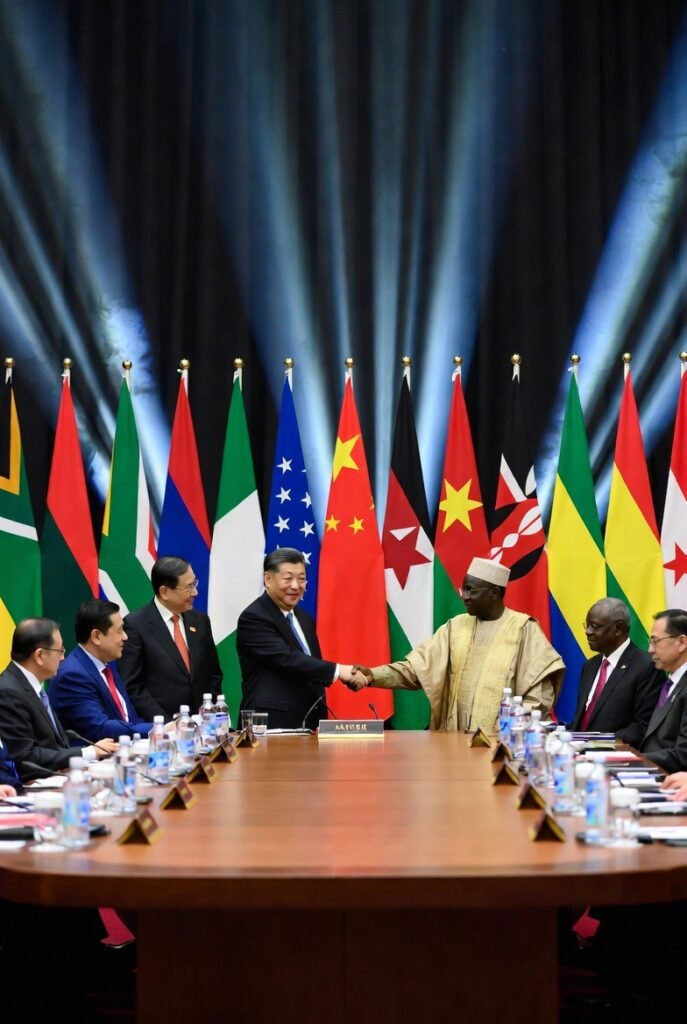
China’s expanding global footprint is not without significant friction. The United States, European Union, and key Indo-Pacific partners including Japan, Australia, and India have actively worked to offer alternative frameworks including the G7’s Partnership for Global Infrastructure and Investment (PGII) and the Indo-Pacific Economic Framework (IPEF).
Domestically, China faces its own pressures. An economy navigating slower post-pandemic growth, a real estate sector still recovering from a prolonged crisis, and rising youth unemployment have all complicated Beijing’s ability to sustain the scale of overseas financing it once projected.
Some partner nations, meanwhile, have grown wary of the terms attached to Chinese investment. In several African and Asian countries, public sentiment around Chinese infrastructure projects has shifted, with concerns about labour practices, environmental standards, and the long-term cost of repayment becoming more prominent in domestic political debates.
The China Strategic Outreach 2026 represents a masterclass in soft power diplomacy. Beijing has realized that true global leverage comes not from the barrel of a gun, but from the control of the “Global Operating System.” As the China international positioning strategy continues to mature, the world is finding that it is no longer just trading with Chinait is being integrated into a China-centric political reality. On this April 4, 2026, the “Great Wall” is no longer a defense; it is an invitation to a new global order.


 Optimized by Seraphinite Accelerator