Cost-of-Living Crisis Political Response in Australia
Wednesday, Aprail 1, 2026 Trusted by millions worldwide Back to News Politics Cost of Living Crisis Political Response in Australia...
Read More → 

Wednesday, Aprail 1, 2026
Trusted by millions worldwide
This article breaks down the latest government relief measures, the RBA’s position, housing market data as of late March 2026, and what economic analysts are predicting for the rest of the year.
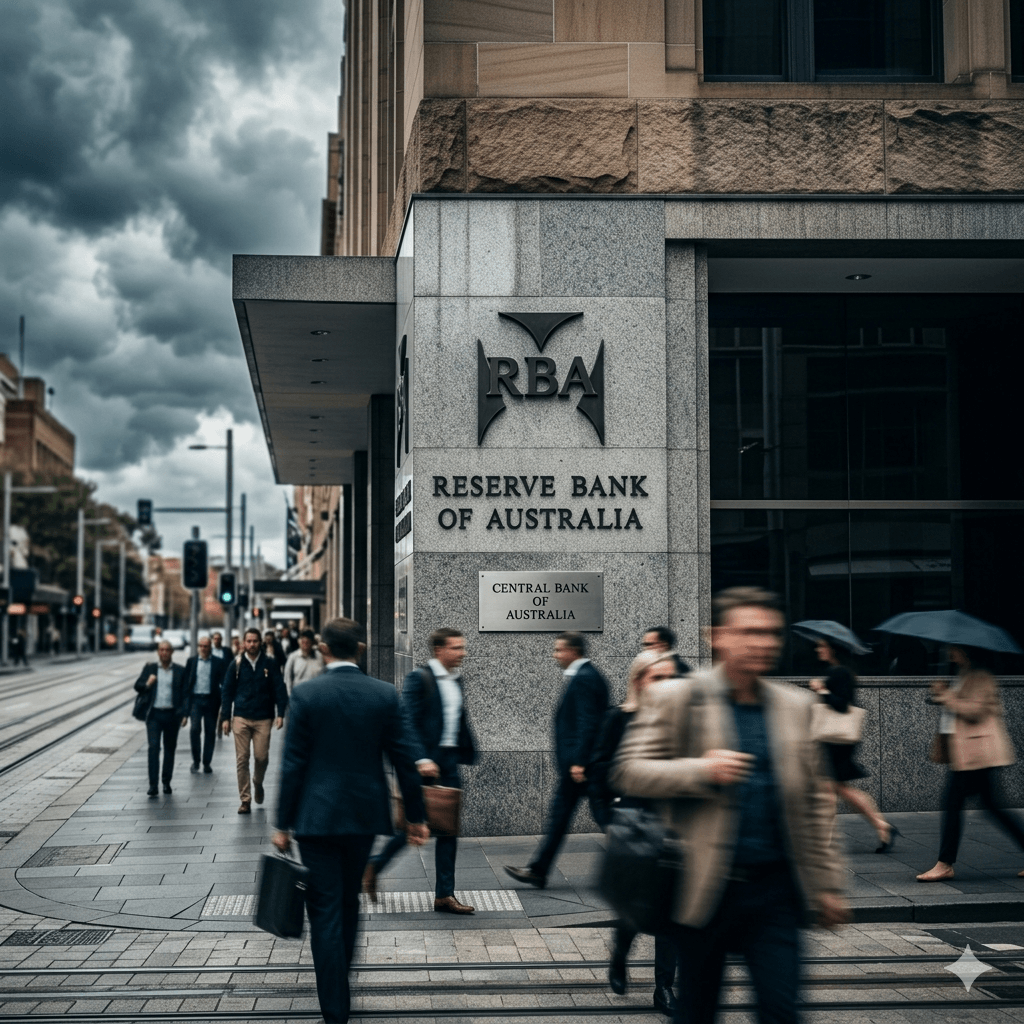
Australia’s cost-of-living crisis in 2026 has moved from a background concern to the defining political and economic story of the year. With the Reserve Bank of Australia (RBA) holding its cash rate at 4.10% following its March 2026 meeting, and household budgets stretched by surging energy costs and record property prices, millions of Australians are asking the same question: when does the squeeze ease up?
At its March 17, 2026 board meeting, the RBA raised the official cash rate to 4.10% a move that surprised some market economists who had expected a pause. Meeting minutes released on March 31 confirmed that board members remain deeply concerned about energy-driven inflation, particularly given ongoing conflict in the Middle East that continues to push global fuel prices higher.
For Australian mortgage holders, this is unwelcome news. Major banks are now forecasting one to two additional rate increases before any potential reversal, which most analysts do not expect before mid-2027.
Responding to rising public pressure, the Federal Government has fast-tracked several cost-of-living relief measures, most of which take effect from July 1, 2026. Here is a summary of the headline announcements:
The 16% income tax bracket will be cut to 15% from July 2026, returning an estimated average of $536 per year to middle-income earners. For a household with two working adults both in this bracket, that adds up to over $1,000 in annual savings.
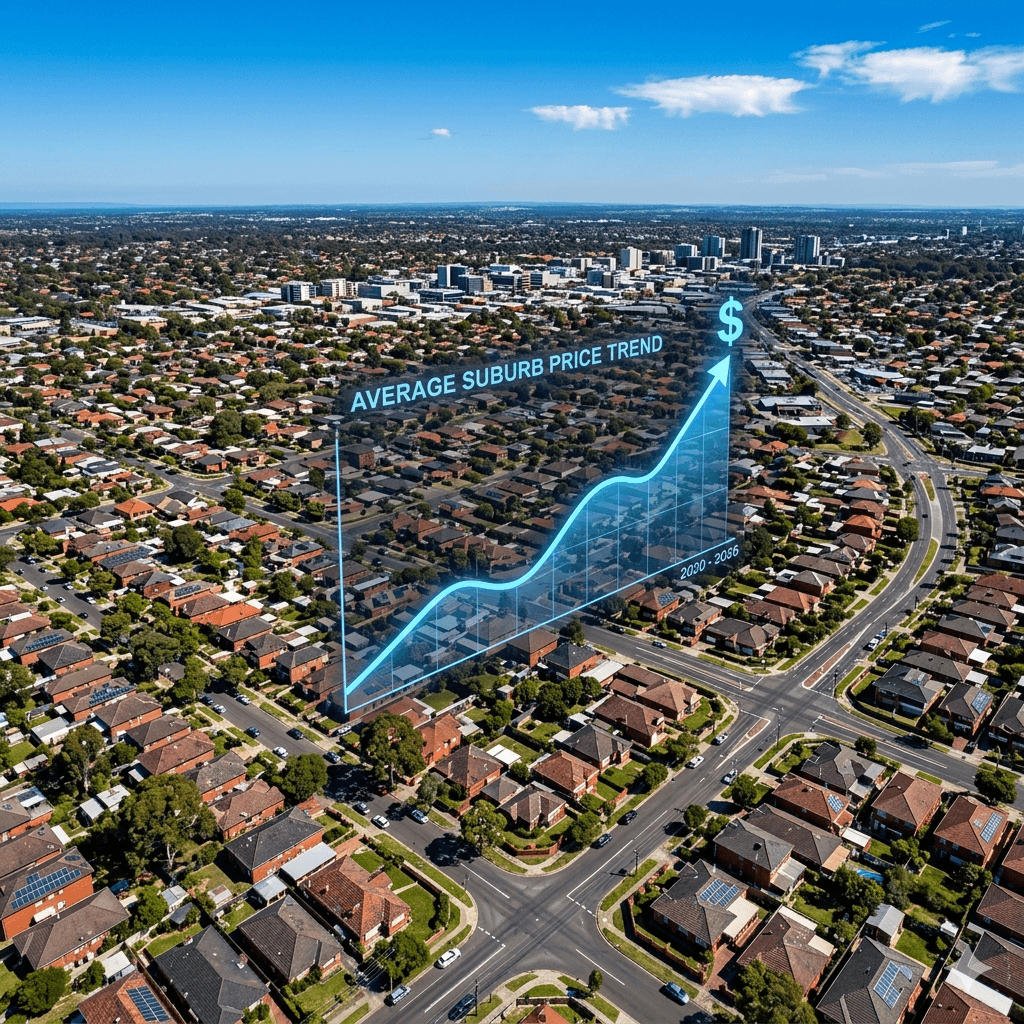
In a normal economic cycle, high interest rates cool property markets. In 2026, Australia’s housing market is defying that pattern. The reason is simple: there are not enough homes.
As of March 31, 2026, the national median dwelling value stands at $933,137, according to industry data. In a landmark development, Perth’s median has now crossed $1 million, joining Sydney and other capital cities in what analysts are calling the ‘seven-figure club.
Beyond households, Australian businesses are feeling the strain. The Australian Industry Group’s Activity Index fell 19.9 points in March 2026 the steepest single-month decline since 2020. Manufacturers and logistics companies cite energy market volatility as the primary cause, with fuel-related costs rising more than 26% in the first quarter alone.
The government has announced a $10,000 incentive payment for clean-energy apprentices in an attempt to accelerate Australia’s transition away from fossil fuels. While economists broadly support the long-term direction, many warn it does not address the immediate affordability gap facing businesses and consumers in 2026.
The government has wiped 20% off all outstanding HECS-HELP student debt one of the most significant interventions for younger Australians in recent memory. For a graduate carrying the average debt of around $26,000, this amounts to a saving of approximately $5,200.
With the May Federal Budget approaching, the pressure on the Treasurer is immense. The central challenge is politically and economically uncomfortable: any significant new spending risks adding fuel to the inflation the RBA is actively trying to extinguish.
Economists are calling for targeted, means-tested relief rather than broad-based cash transfers. Measures such as increased social housing investment, rental assistance top-ups, and expanded energy efficiency grants are being floated as fiscally responsible options.
The question that will define Australia’s economic narrative for years to come is whether the government can walk the line between providing genuine relief to struggling households and avoiding measures that keep inflation and therefore interest rates higher for longer.
The housing market is experiencing a noticeable shift as mid-tier cities continue to record steady annual growth, reaching nearly 10% in several regions. Buyers are increasingly moving away from expensive metropolitan areas in search of affordability and better investment opportunities. Meanwhile, major cities such as Sydney and Melbourne are witnessing mild price corrections after years of rapid increases, signaling a cooling phase in previously overheated markets. Despite these adjustments, demand for rental properties remains strong, with vacancy rates staying critically low across capital cities. As a result, median weekly rents have surged between 8% and 12% year-on-year, placing additional pressure on renters while highlighting ongoing supply challenges in the housing sector.
The cost of living Australia narrative in 2026 is one of fragile balance. The government is attempting to provide “targeted” subsidy programs and tax relief measures without fueling the very inflation the RBA is trying to kill. As we look toward the May Federal Budget, the question remains: Can Australia spend its way out of a cost-of-living crisis, or will the “higher for longer” interest rate environment define the remainder of the decade?


 Optimized by Seraphinite Accelerator