
Republican Party future after Trump analysis
Tuesday, May 5, 2026 Trusted by millions worldwide Back to News Politics The Republican Party may not survive the Trump...
Read More → Wednesday, Aprail 29, 2026
Trusted by millions worldwide
Appalachian voters flip Republican The change in registration does not necessarily predict election outcomes, but it highlights changing political identification among voters. Officials monitoring voter rolls report that Republican registration gains have reduced Democratic advantages in several counties across the region.
Appalachian voters flip Republican A notable political shift is unfolding across the Appalachian region as thousands of voters change party affiliation from Democrat to Republican, narrowing long-standing registration gaps. The trend reflects evolving political priorities, economic concerns, and regional issues that continue to reshape voting patterns. Analysts say the movement signals a broader realignment in parts of Appalachia, where party loyalty has shifted over time.
The change in registration does not necessarily predict election outcomes, but it highlights changing political identification among voters. Officials monitoring voter rolls report that Republican registration gains have reduced Democratic advantages in several counties across the region.
The Appalachian region spans multiple states and includes rural communities, small towns, and industrial areas. Historically, many of these areas leaned toward Democratic registration, particularly during earlier decades when labor and industrial policies shaped voter preferences.
Key characteristics of the region:
These factors influence voter behavior.
Election data shows a growing number of voters switching party affiliation. This has gradually narrowed Democratic registration leads in several counties.
Observed trends include:
These changes have occurred over multiple election cycles.
Political analysts point to several reasons behind the shift. Voters often change affiliation based on economic, cultural, and policy considerations.
Common factors cited:
These issues resonate in Appalachian communities.

Economic concerns remain central for many voters. Industries such as energy, manufacturing, and infrastructure play major roles in the regional economy.
Economic considerations include:
These factors influence party preference.
Generational shifts also contribute to changing political affiliation. Younger voters may have different priorities than previous generations.
Trends include:
These dynamics reshape voter rolls.
Another factor is independent voters choosing formal party registration. In some areas, independents have shifted toward Republican affiliation.
This includes:
These moves affect totals.
The shift has narrowed Democratic registration advantages in some counties. However, Democrats may still hold leads in certain areas.
Effects include:
These changes increase competition.
Political parties often adjust strategy based on registration trends. Both sides may increase engagement in the region.
Possible campaign responses:
Competition may intensify.
Appalachia has experienced political realignment before. Party affiliation trends often evolve over time.
Historical influences include:
These shifts are not uncommon.
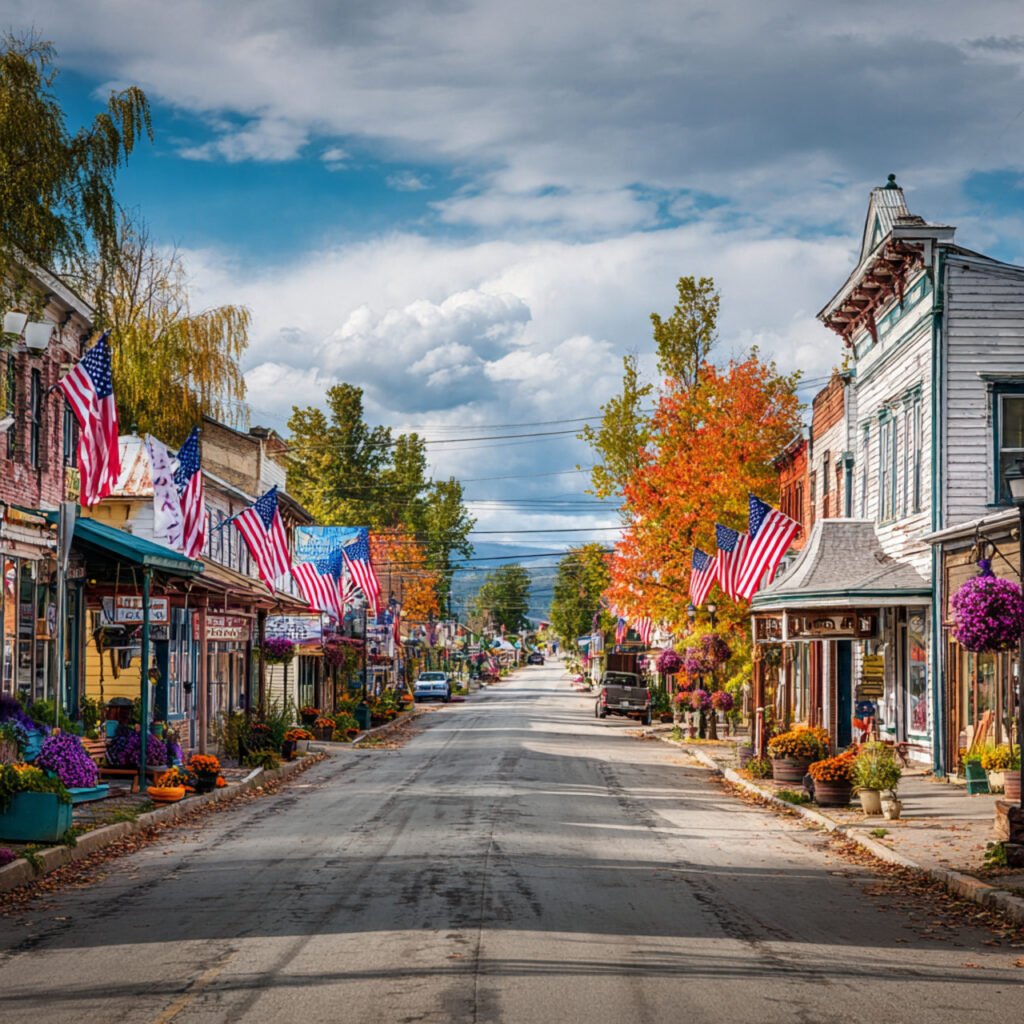
The Appalachian region spans multiple states, and trends may vary by location.
Differences may include:
These variations shape outcomes.
Local issues often influence voter registration. Community-specific concerns can affect affiliation.
Common local concerns:
These shape voter decisions.
National politics also influence regional voter behavior. Messaging and policy debates can impact party alignment.
Factors include:
These themes resonate locally.
Registration changes can influence election competitiveness. However, voter turnout and candidate appeal also matter.
Possible implications:
These outcomes depend on multiple factors.
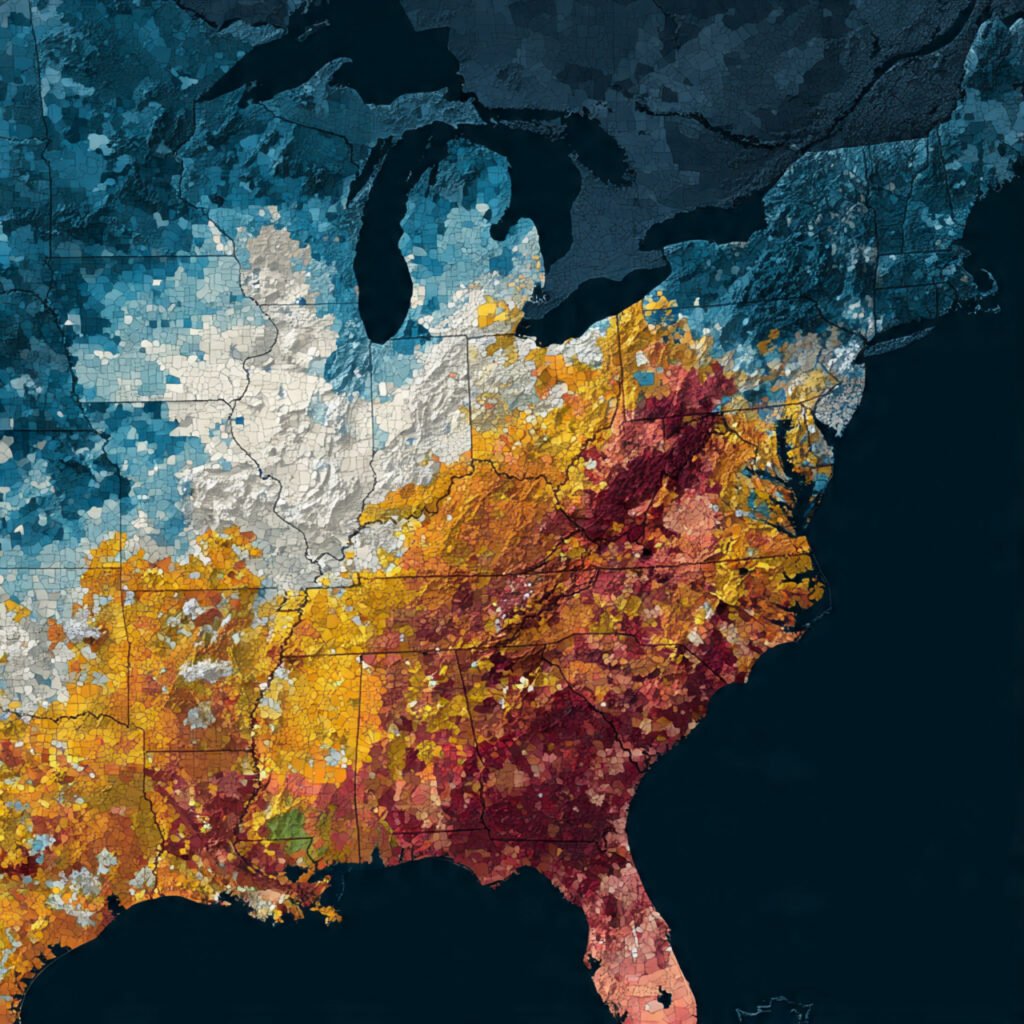
Political analysts are tracking the trend to understand long-term implications. Registration data provides insight into voter sentiment.
Analysts watch:
These indicators reveal trends.
Local reaction to the shift varies. Some residents see it as a natural political evolution, while others emphasize policy priorities.
Common perspectives:
These views shape decisions.
It is important to note that party registration does not always predict voting outcomes. Voters may still cross party lines.
Key points:
These factors matter.
The Appalachian shift reflects broader regional political changes seen in some rural areas.
Trends include:
These developments continue evolving.
The shift of thousands of Appalachian voters from Democrat to Republican marks a notable change in regional political registration patterns. While Democratic registration leads have narrowed, the long-term impact will depend on turnout, local issues, and future political developments. As the Appalachian region continues to evolve economically and politically, voter affiliation trends will remain an important indicator of changing priorities.