From Reactive to Proactive Intelligence
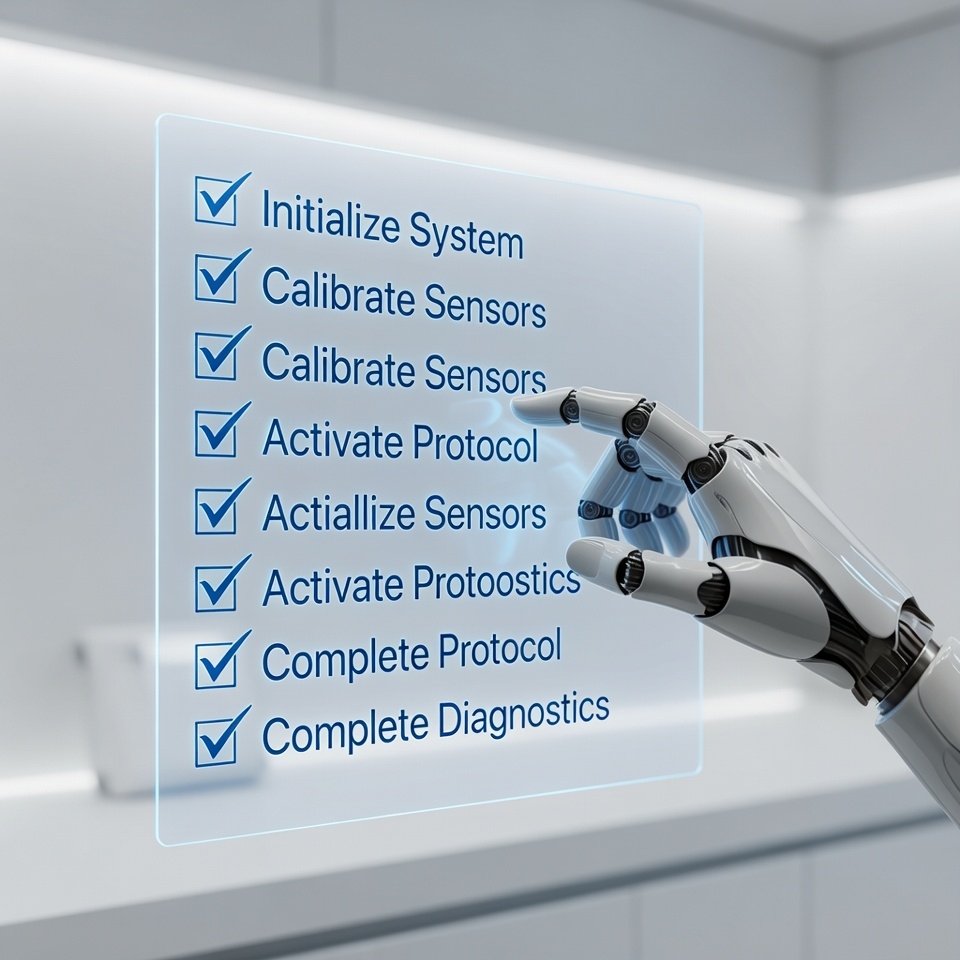
Traditional AI systems are reactive: you input data, they produce an output. Agentic AI inverts this dynamic. These systems operate with what researchers call a ‘sense-plan-act’ loop. They perceive their environment, formulate a strategy to achieve an objective, and carry out a sequence of actions — often across multiple software tools and data sources — without step-by-step human instruction.
Think of the difference between a basic GPS that gives you directions and a self-driving car that navigates traffic, books parking, and adjusts your schedule if you’re running late. The latter is agentic. It has goals, tools, and the autonomy to use them.
The Role of Multi-Agent Systems
Even more powerful are multi-agent systems — networks of specialised AI agents that collaborate, delegate, and check each other’s work. One agent might browse the web for market intelligence. Another might analyse the data. A third drafts a report. A fourth sends it to the relevant stakeholders. No human coordinates this pipeline; the agents themselves negotiate roles and responsibilities.
Major technology companies including Microsoft, Google DeepMind, and a cohort of well-funded start-ups are now racing to build and standardise these multi-agent frameworks. The results are beginning to appear in consumer-facing products, often without users fully realising it.