
Republican Party future after Trump analysis
Tuesday, May 5, 2026 Trusted by millions worldwide Back to News Politics The Republican Party may not survive the Trump...
Read More → Sunday, May 3, 2026
Trusted by millions worldwide
Pentagon disarray Hegseth staff purge The developments come at a sensitive time, when global tensions and strategic challenges require consistent and coordinated leadership within the United States Department of Defense.
Pentagon disarray Hegseth staff purge A wave of internal concern is spreading through the U.S. defense establishment following reports of significant staff changes linked to Pete Hegseth. Described by some insiders as “disarray,” the situation has sparked debate about leadership stability, institutional continuity, and the broader implications for national security decision-making.
The developments come at a sensitive time, when global tensions and strategic challenges require consistent and coordinated leadership within the United States Department of Defense.
Reports indicate that multiple staff members were removed or reassigned within a short period, creating what observers describe as a sudden shift in internal structure.
While leadership changes are not uncommon in government institutions, the pace and scale of these moves have raised questions. Rapid personnel changes can disrupt established workflows, delay ongoing projects, and create uncertainty among remaining staff.
The issue is not just about who left or joined it is about how quickly those transitions occurred and how they are being perceived internally.
The Pentagon is not a typical workplace. It operates as one of the most complex and sensitive institutions in the world, where continuity and coordination are essential.
When experienced personnel leave suddenly:
These factors can have ripple effects beyond internal operations, especially when dealing with national security matters.
According to various accounts, the response within the United States Department of Defense has included concern about stability and direction.
Some officials reportedly worry that:
Even if temporary, such conditions can influence how effectively the institution functions.
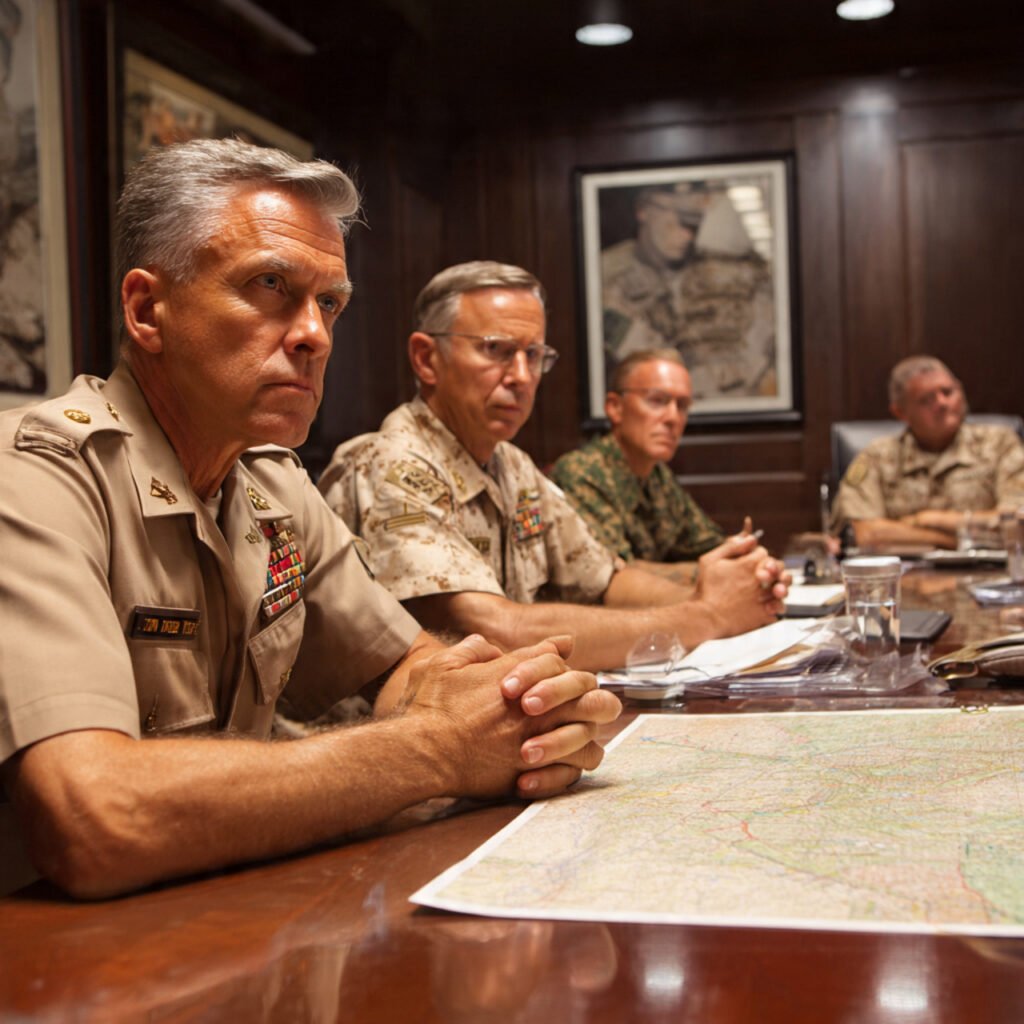
The situation has also brought attention to leadership style and decision-making approaches.
Supporters of rapid restructuring may argue that:
Critics, however, often emphasize:
The balance between reform and stability is a recurring theme in large organizations.
While administrative changes do not immediately alter military capabilities, they can influence the environment in which decisions are made.
Potential effects include:
These factors can affect how quickly and effectively decisions are executed.
Personnel changes at senior levels often carry political implications, especially within high-profile institutions like the Pentagon.
Such changes may reflect:
Understanding the political context is key to interpreting these developments.
Leadership changes within the Pentagon are not new, but the manner in which they occur can shape their impact.
Historically:
These patterns provide context for evaluating current events.
At a time when global security challenges remain complex, internal stability within defense institutions becomes even more important.
Key considerations include:
Even perception of instability can influence how allies and adversaries view the situation.

Media coverage has amplified the narrative of “disarray,” shaping how the situation is understood outside the institution.
This can lead to:
Perception often plays a significant role alongside reality.
The current situation highlights a broader challenge faced by large institutions: how to implement change without undermining stability.
Effective reform typically requires:
Without these elements, even well-intended changes can face resistance.
The coming weeks will likely determine whether the situation stabilizes or continues to generate concern.
Observers will be watching for:
These developments will shape the narrative moving forward.

The reported staff purges associated with Pete Hegseth have sparked concern within the United States Department of Defense, with some describing the situation as “disarray.” While leadership changes are a normal part of institutional life, the speed and scale of these shifts have raised questions about stability, morale, and long-term effectiveness.
As the situation evolves, the key challenge will be maintaining operational continuity while navigating internal change an issue that sits at the heart of effective governance and national security.