
Republican Party future after Trump analysis
Tuesday, May 5, 2026 Trusted by millions worldwide Back to News Politics The Republican Party may not survive the Trump...
Read More → Sunday, May 3 2026
Trusted by millions worldwide
Trump disapproval rating 2026 poll
While polling data can fluctuate, this latest result has drawn attention because of both the scale of the disapproval and the broader context in which it appears.
Trump disapproval rating 2026 poll
A new national survey conducted by ABC News in partnership with Ipsos suggests that public disapproval of Donald Trump has reached its highest level in recent months. The findings highlight a noticeable shift in voter sentiment at a time when political divisions in the United States remain deeply entrenched.
While polling data can fluctuate, this latest result has drawn attention because of both the scale of the disapproval and the broader context in which it appears.
The survey indicates that a growing share of respondents express dissatisfaction with Donald Trump, reflecting concerns about leadership style, policy direction, and political rhetoric.
Rather than focusing on a single issue, the poll captures a broader sentiment. It suggests that disapproval is not confined to one demographic group but is spreading across different segments of the population, including independent voters who often play a decisive role in elections.
This trend is particularly significant because shifts among independents can influence overall political momentum.
Public opinion rarely changes without underlying causes. In this case, several factors appear to be contributing to the increase in disapproval ratings.
One key factor is political fatigue. After years of intense and often polarizing political discourse, some voters may be expressing frustration with ongoing conflicts and controversies. This does not necessarily indicate a shift in core political beliefs but rather a reaction to the broader tone of public debate.
Another element is issue-based evaluation. Voters tend to reassess their views based on economic conditions, policy outcomes, and national priorities. Changes in any of these areas can influence approval ratings, sometimes rapidly.
There is also the role of media coverage. Continuous attention on political developments can shape public perception, reinforcing certain narratives while introducing new concerns.
Independent voters often serve as a bellwether for broader political trends, and their views can provide insight into shifting dynamics.
In this poll, signs of movement among independents suggest:
These voters are not always aligned with one party, making their opinions especially important in closely contested elections.
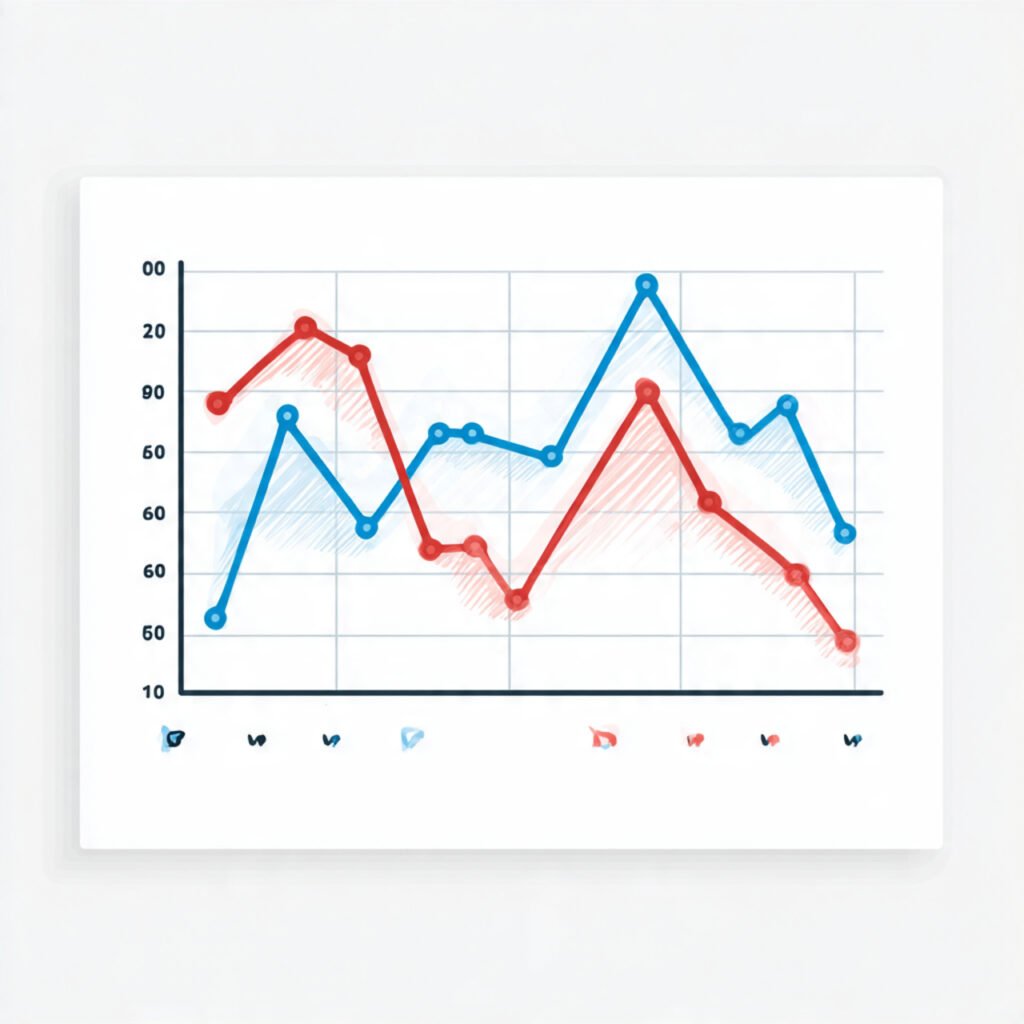
Rising disapproval ratings can have meaningful consequences for the political landscape.
For political campaigns, such trends may influence strategy, messaging, and voter outreach. Candidates often adjust their approach based on polling data, focusing on areas where support may be weakening or strengthening.
For policymakers, public opinion can shape priorities. High disapproval may increase pressure to address specific issues or reconsider certain policies.
At a broader level, polling trends can affect how political narratives are framed, influencing both media coverage and public discussion.
Approval and disapproval ratings are a long-standing feature of American politics. They provide a snapshot of public sentiment at a given moment, though they are not always predictive of future outcomes.
Historically, many political figures have experienced fluctuations in approval ratings due to:
What matters most is not a single poll but the direction of the trend over time.
Media coverage plays a significant role in shaping how polling results are interpreted.
Reports highlighting rising disapproval can:
However, it is important to note that media framing does not fully determine public opinion it interacts with existing beliefs and experiences.
While polls provide valuable insights, they also have limitations.
Key considerations include:
Because of these factors, polling data should be viewed as one piece of a larger picture.
The United States continues to experience a highly polarized political environment, where opinions are often strongly divided.
In such a climate:
This context helps explain why even small changes in polling numbers can attract significant attention.

Polling trends often serve as an early indicator of potential electoral dynamics.
If disapproval continues to rise:
However, elections are influenced by many factors, including economic conditions, campaign effectiveness, and emerging issues.
The coming months will be important in determining whether this rise in disapproval represents a temporary fluctuation or part of a longer-term trend.
Observers will likely watch:
These factors will help clarify the broader significance of the current poll.
The latest survey by ABC News and Ipsos showing increased disapproval of Donald Trump highlights the dynamic nature of public opinion in the United States. While the numbers themselves are notable, the underlying factors ranging from political fatigue to shifting voter priorities offer deeper insight into the current political climate.
As the situation evolves, continued attention to trends, context, and broader developments will be essential for understanding what these changes mean for the future of American politics.