
CNN panel Scott Jennings firing controversy
Friday, May 1, 2026 Trusted by millions worldwide Back to News Polotics CNN Panelist Calls for Scott Jennings’ Firing After...
Read More → Friday, May 1, 2026
Trusted by millions worldwide
Alberta voter list privacy breach investigation The case has become a focal point in discussions around election security, data privacy, and the responsibilities of public institutions handling personal voter information. While the full scope of the alleged breach is still under investigation, early findings have already prompted demands for reform.
Alberta voter list privacy breach investigation Alberta’s privacy commissioner has called for urgent changes to provincial legislation following allegations of a breach involving the province’s voter registration list. The incident has raised widespread concerns about how sensitive electoral data is managed, stored, and protected in Canada’s evolving digital governance systems.
The case has become a focal point in discussions around election security, data privacy, and the responsibilities of public institutions handling personal voter information. While the full scope of the alleged breach is still under investigation, early findings have already prompted demands for reform.
The issue centers around allegations that unauthorized access may have been gained to Alberta’s voter registration database. This system contains personal information used for electoral purposes, including names, addresses, and voting eligibility details.
Although officials have not confirmed the full extent of the breach, concerns were raised after irregular access patterns were detected. These findings triggered an internal review and subsequent involvement of the privacy commissioner.
Key concerns include:
Alberta’s privacy commissioner plays a key oversight role in ensuring that public institutions comply with data protection laws.
In response to the alleged breach, the commissioner has:
The commissioner’s statement highlights growing concerns about outdated privacy laws in a digital era.
Voter registration systems are critical components of democratic infrastructure. They ensure fair and organized elections, but they also contain sensitive personal data.
Key risks associated with voter databases:
Protecting this data is essential for maintaining democratic integrity.

The alleged breach has exposed potential gaps in Alberta’s existing privacy legislation.
Areas of concern include:
The commissioner argues that these laws need modernization.
Across Canada and globally, election systems are increasingly targeted by cyber threats.
Common risks include:
These threats make stronger protections necessary.
Following the incident, the privacy commissioner has urged lawmakers to update provincial laws to reflect modern digital risks.
Suggested reforms include:
These changes aim to strengthen public trust.
Provincial authorities have acknowledged the concerns raised and confirmed that the matter is under review.
Current steps include:
However, no final conclusions have been announced.
One of the most significant concerns arising from the alleged breach is its impact on public confidence in the electoral system.
Key trust issues:
Maintaining trust is essential for democratic participation.

The Alberta case is part of a broader global trend of increasing data breaches in public systems.
Common patterns include:
These incidents highlight systemic vulnerabilities.
Experts argue that voter systems must adopt modern cybersecurity practices.
Recommended measures:
These steps reduce the risk of unauthorized access.
If a breach is confirmed, questions about accountability will become central.
Key legal issues:
These factors will shape future legal action.
The alleged breach could influence how future elections are managed in Alberta and beyond.
Potential changes:
Election security may become a higher priority.
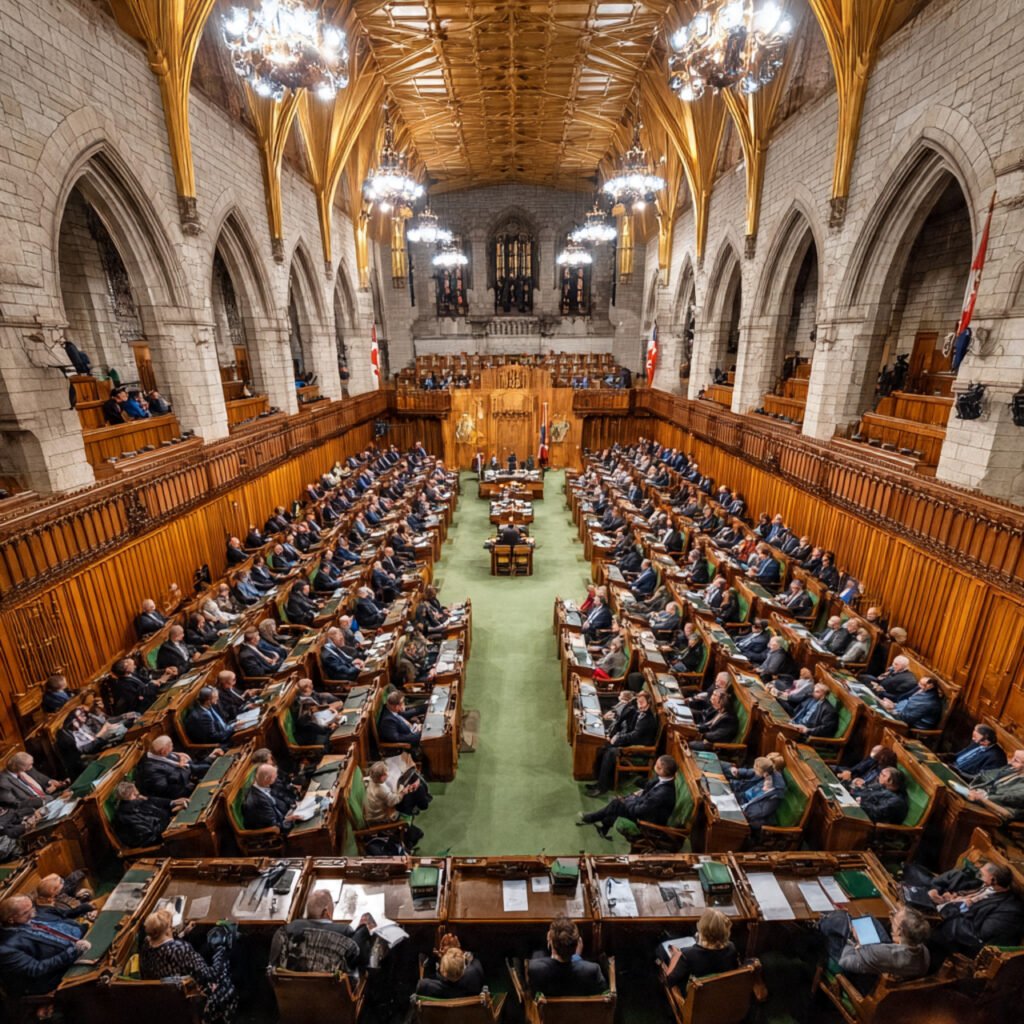
Beyond Alberta, the case has implications for national data protection policies.
Key national concerns:
This may prompt wider reforms.
Modern election systems rely heavily on digital infrastructure, making cybersecurity essential.
Key components:
Each introduces potential vulnerabilities.
Cybersecurity and legal experts have emphasized the urgency of reform.
Common expert views:
These recommendations align with the commissioner’s stance.
The alleged voter list breach in Alberta has sparked serious concerns about the security of electoral data and the adequacy of current privacy laws. With the privacy commissioner calling for legislative changes, the incident has become a catalyst for broader discussions about cybersecurity, transparency, and trust in democratic systems.
As investigations continue, the outcome may shape how voter data is protected not only in Alberta but across Canada, potentially leading to significant reforms in how public electoral systems handle sensitive information.