
CNN panel Scott Jennings firing controversy
Friday, May 1, 2026 Trusted by millions worldwide Back to News Polotics CNN Panelist Calls for Scott Jennings’ Firing After...
Read More → Friday, May 1, 2026
Trusted by millions worldwide
Trump pipeline order Canada to Wyoming The announcement has immediately reignited debate across political, environmental, and economic circles, as supporters and critics weigh the potential impact of the pipeline on energy security, climate policy, and regional economies.
Trump pipeline order Canada to Wyoming In a major development for North American energy policy, Donald Trump has signed an executive order authorizing a new oil pipeline connecting Canada to Wyoming. The move is widely seen as an effort to revive key elements of the long-disputed Keystone XL project, which has faced years of political, legal, and environmental challenges.
The announcement has immediately reignited debate across political, environmental, and economic circles, as supporters and critics weigh the potential impact of the pipeline on energy security, climate policy, and regional economies.
The executive order lays the groundwork for approving and developing a cross-border pipeline that would transport crude oil from Canada into the United States, specifically targeting Wyoming as a key destination point.
Key provisions include:
The order signals a clear push toward expanding domestic energy infrastructure.
The newly authorized pipeline is closely linked to the previously canceled Keystone XL project, which was originally designed to transport oil sands crude from Alberta, Canada, to U.S. refineries.
Key similarities:
While not an exact replica, the new initiative could effectively revive parts of the earlier project.
The Keystone XL pipeline became one of the most debated energy projects in recent history.
Major concerns included:
These issues remain central to the current debate.
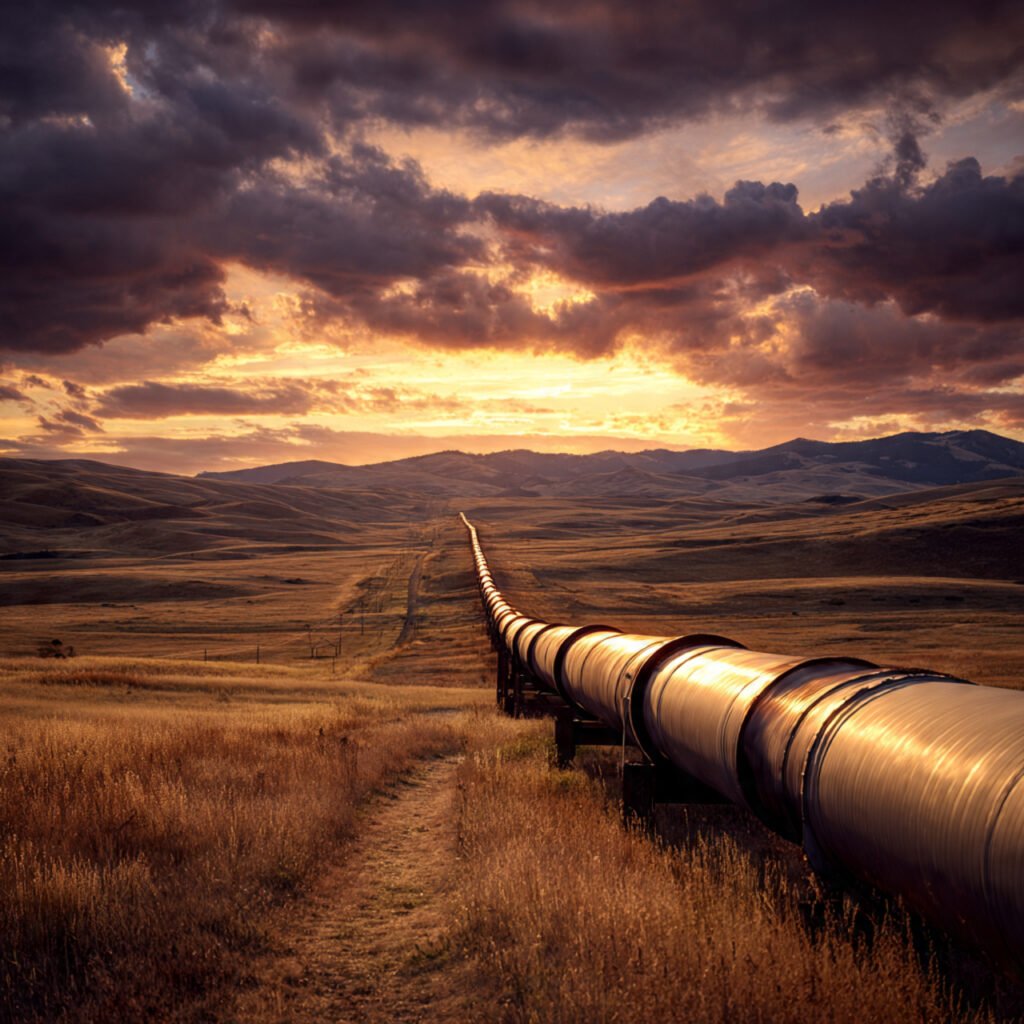
Supporters of the new pipeline argue that it offers significant economic and strategic advantages.
Potential benefits:
Proponents see the project as a boost to economic growth.
One of the main arguments for the pipeline is its potential to enhance U.S. energy security.
Key points:
This is particularly relevant amid ongoing geopolitical tensions.
Environmental groups have quickly raised concerns about the project, echoing earlier debates around Keystone XL.
Key issues:
These concerns are expected to play a major role in opposition efforts.
Pipeline projects often affect indigenous lands and local communities, making consultation and consent critical.
Key considerations:
These factors will influence the project’s progress.
The executive order has triggered strong reactions across the political spectrum.
Supporters emphasize:
Critics highlight:
The issue is likely to remain politically divisive.
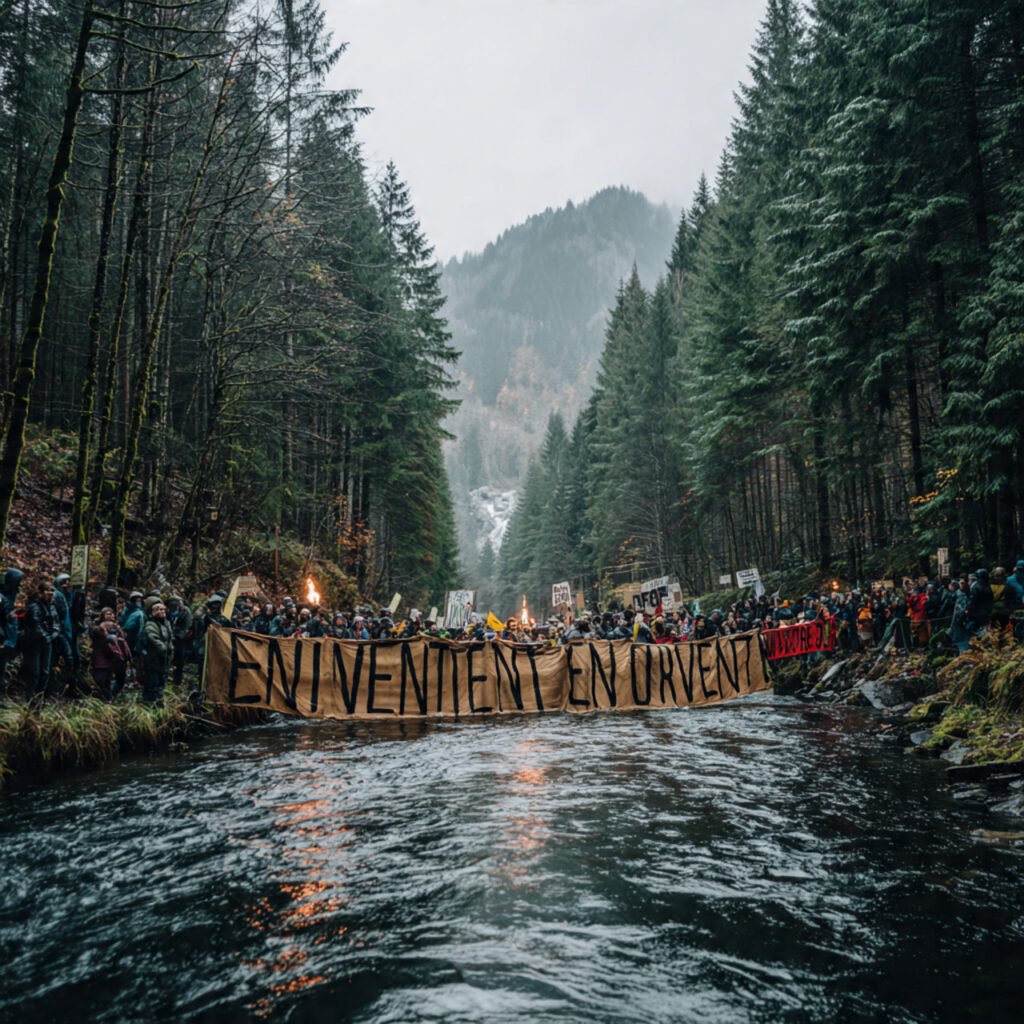
Despite the executive order, the pipeline still faces a complex approval process.
Key hurdles:
These steps could delay or reshape the project.
Wyoming is expected to play a central role as a key hub for the pipeline.
Potential impacts on the state:
The state could benefit significantly if the project moves forward.
The pipeline also has implications for relations between the United States and Canada.
Key aspects:
Energy collaboration remains a cornerstone of the relationship.
The decision comes at a time when global energy markets are experiencing volatility due to geopolitical tensions and supply disruptions.
Key trends:
These factors influence policy decisions.

The pipeline debate reflects a broader challenge: balancing immediate energy needs with long-term climate objectives.
Key tensions:
Policymakers must navigate these competing priorities.
Energy companies are closely watching the development, as it could create new opportunities and challenges.
Industry expectations:
However, uncertainty remains.
The future of the pipeline will depend on several factors.
Key developments to watch:
The timeline remains uncertain.
The executive order signed by Donald Trump authorizing a pipeline from Canada to Wyoming marks a significant moment in U.S. energy policy. By potentially reviving elements of the Keystone XL project, the move has reignited long-standing debates over energy security, economic growth, and environmental responsibility.
As the project moves through regulatory and legal processes, it will remain a focal point in discussions about the future of energy infrastructure in North America.