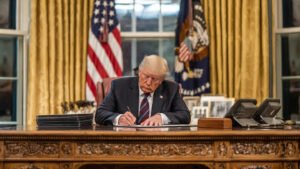
CNN panel Scott Jennings firing controversy
Friday, May 1, 2026 Trusted by millions worldwide Back to News Polotics CNN Panelist Calls for Scott Jennings’ Firing After...
Read More → Friday, Aprail 30, 2026
Trusted by millions worldwide
House removes pesticide provisions farm bill Lawmakers described the move as an effort to streamline the bill and avoid provisions that could stall broader legislative progress, while critics and supporters alike continue to debate the implications.
House removes pesticide provisions farm bill The U.S. House of Representatives has removed a set of controversial pesticide-related provisions from the latest farm bill, following strong opposition from agricultural and policy groups, including the Make America Healthy Again (MAHA). The decision marks a significant shift in the ongoing debate over agricultural regulation, food safety, and environmental policy.
Lawmakers described the move as an effort to streamline the bill and avoid provisions that could stall broader legislative progress, while critics and supporters alike continue to debate the implications.
The stripped provisions focused on pesticide regulation changes that had sparked concern among various stakeholders.
Key elements reportedly removed:
Their removal reflects growing political sensitivity around agricultural chemicals.
The Make America Healthy Again movement had been vocal in opposing the pesticide-related language, arguing it could affect public health and environmental protections.
Core concerns raised:
These concerns influenced the debate.
Members of the House cited several reasons for removing the provisions from the bill.
Key justifications:
The decision was seen as a compromise.

The removal may improve the chances of the farm bill advancing through Congress.
Potential effects:
This could accelerate passage.
Farmers and agricultural stakeholders have mixed views on pesticide regulation.
Common perspectives:
The issue remains complex.
Pesticide policies often sit at the intersection of agriculture and environmental health.
Key considerations:
These factors shape policy debates.
Regulation of pesticides typically involves federal agencies responsible for environmental and agricultural oversight.
Key responsibilities:
Their authority remains central.
The debate over pesticide provisions highlights broader political dynamics within Congress.
Key dynamics:
These influence decisions.

The farm bill covers a wide range of issues beyond pesticide regulation.
Major areas include:
These remain central to the legislation.
Reactions to the removal of pesticide provisions have varied across different groups.
Supporters say:
Critics argue:
Debate continues.
Although removed from the current bill, pesticide regulations are likely to remain a topic of discussion.
Possible developments:
The issue is ongoing.
Changes in pesticide policy can have economic effects on agriculture and related industries.
Potential impacts:
These are important factors.

Public awareness of pesticide use and regulation has increased in recent years.
Key drivers:
This influences policy direction.
The House’s decision to remove MAHA-opposed pesticide provisions from the farm bill reflects the complex balancing act between agricultural productivity, environmental protection, and public health concerns. While the move may help advance the broader legislation, it also underscores ongoing debates about how pesticides should be regulated in the United States.
As discussions continue, policymakers will need to navigate competing interests while ensuring both food security and safety standards are maintained.