
Meta AI spending investor reaction 2026
Thursday, Aprail 30, 2026 Trusted by millions worldwide Back to News Finance Meta shares slide as plan to spend billions...
Read More → Thursday,Aprail 30, 2026
Trusted by millions worldwide
Diego Luna image rights case The ruling reinforces legal protections for individuals against unauthorized use of their likeness, especially in commercial contexts where endorsements can imply consent or partnership.
Diego Luna image rights case A court has ruled in favor of Diego Luna in a legal dispute concerning the use of his image in a commercial linked to the Johnnie Walker brand. The decision highlights the importance of image rights and consent in advertising, particularly when it involves well-known public figures.
The ruling reinforces legal protections for individuals against unauthorized use of their likeness, especially in commercial contexts where endorsements can imply consent or partnership.
The dispute arose over the alleged use of Diego Luna’s image in a commercial without proper authorization. The case brought attention to how image rights are managed in advertising.
Key background elements:
These formed the basis of the case.
The court ruled that the use of Diego Luna’s image required explicit consent. Without such authorization, the use was considered a violation of image rights.
Key points from the ruling:
This sets a precedent.
Image rights refer to an individual’s control over how their likeness is used, especially for commercial purposes. These rights are often protected under intellectual property and privacy laws.
Core aspects:
These define the concept.
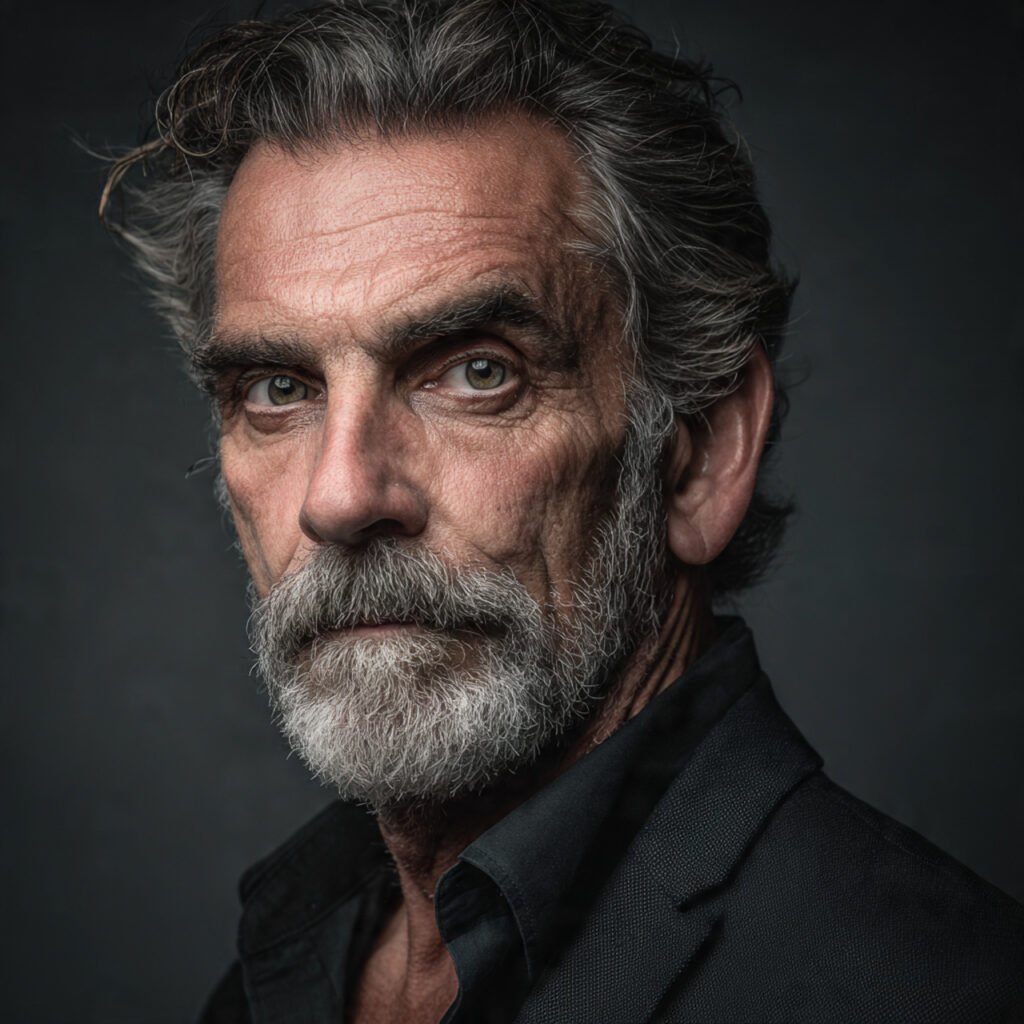
Consent is a critical element when using any individual’s image in marketing campaigns. Without it, companies may face legal consequences.
Consent requirements:
These protect both parties.
The ruling serves as a reminder for advertisers to ensure proper authorization before using images, especially those of public figures.
Industry implications:
These affect operations.
Public figures often face higher risks of unauthorized image use. Legal systems provide protections to prevent exploitation.
Key protections:
These safeguard individuals.
Image rights often intersect with intellectual property law. Courts may evaluate cases based on multiple legal frameworks.
Relevant areas:
These guide decisions.
Brands must carefully manage how they use images in advertising. Missteps can lead to legal disputes and reputational impact.
Brand considerations:
These influence strategy.

Cases involving public figures often attract media attention. The ruling has contributed to discussions about celebrity rights.
Discussion topics:
These shape perception.
The case fits into a broader trend of enforcing image rights globally. Courts increasingly emphasize consent and fair use.
Global trends:
These influence future cases.
Companies can learn from this case by strengthening their legal and compliance processes.
Best practices:
These reduce risk.
As digital media expands, image rights cases are likely to increase. Courts may continue refining legal standards.
Future considerations:
These shape future law.

Beyond legal requirements, ethical considerations are important in advertising. Respecting individuals’ rights builds trust.
Ethical principles:
These improve credibility.
The court’s decision to protect Diego Luna over the use of his image in a Johnnie Walker commercial reinforces the importance of consent and legal compliance in advertising. By affirming image rights, the ruling highlights the need for clear agreements and responsible marketing practices. As the media and advertising landscape evolves, such cases will continue shaping how personal likeness is used in commercial contexts.