Republican Party future after Trump analysis
Tuesday, May 5, 2026 Trusted by millions worldwide Back to News Politics The Republican Party may not survive the Trump...
Read More → Wednesday, Aprail 29, 2026
Trusted by millions worldwide
US naval blockade Iran Strait of Hormuz The Strait of Hormuz is widely considered the world’s most important oil route, handling a substantial portion of global energy shipments. Any disruption in this narrow waterway can impact energy markets and international trade.
US naval blockade Iran Strait of Hormuz The ongoing US naval blockade on Iran has intensified tensions in one of the world’s most critical energy corridors, with Iran restricting traffic through the Strait of Hormuz. The standoff has raised global concerns about oil supply, shipping security, and regional stability. Analysts say the situation represents one of the most significant maritime confrontations in recent years.
The Strait of Hormuz is widely considered the world’s most important oil route, handling a substantial portion of global energy shipments. Any disruption in this narrow waterway can impact energy markets and international trade.
The United States launched a naval blockade targeting Iranian maritime activity following failed negotiations. The operation focuses on intercepting vessels linked to Iranian ports and monitoring shipping movements in the region.
The blockade began in April 2026 and remains ongoing, with dozens of vessels intercepted and some ships seized during enforcement actions.
Officials described the measure as aimed at controlling maritime traffic and limiting Iran’s ability to move resources through the Gulf.
In response, Iran restricted passage through the Strait of Hormuz, tightening control over shipping routes. The move escalated the standoff and raised concerns among global markets.
Reports indicate Iran has linked reopening the strait to the lifting of the US blockade, turning the waterway into a central bargaining point.
Iranian officials have also stated the strait would not fully reopen while the blockade remains in place.
These developments have reduced shipping activity in one of the world’s busiest maritime corridors.
The Strait of Hormuz is a narrow waterway connecting the Persian Gulf to global shipping lanes. A significant portion of global oil and gas shipments pass through this route.
Importance of the strait:
Even partial restrictions can influence global prices.
Energy markets are highly sensitive to developments in the Strait of Hormuz. Reduced shipping traffic can tighten supply expectations.
Possible market impacts:
These factors influence global energy pricing.

The standoff has increased naval activity in the region. Both sides are monitoring vessels and maintaining presence near the strait.
Security concerns include:
Shipping companies often proceed cautiously.
Shipping companies typically assess risk before entering contested areas. Insurance costs and route planning may change.
Industry reactions:
These adjustments affect supply chains.
Disruptions in the Strait of Hormuz can impact global economies. Many countries depend on energy imports routed through the corridor.
Economic effects:
These ripple across markets.
Diplomatic efforts are ongoing to resolve the standoff. Mediators are encouraging negotiations to reopen the shipping lane.
Possible negotiation goals:
Talks remain uncertain.
The standoff has led to increased military presence around the strait. Naval patrols aim to monitor and control traffic.
Activities include:
These operations continue.
Energy supply chains rely heavily on stable maritime routes. Disruptions can affect refineries and distribution networks.
Risks include:
These affect markets.

Beyond oil, the Strait of Hormuz also supports general cargo shipments. Restrictions may affect broader trade flows.
Trade concerns:
These factors impact commerce.
Experts are watching:
These indicators show escalation or easing.
Several scenarios remain possible:
The outcome depends on diplomacy
As diplomatic efforts continue, markets and governments remain focused on whether shipping lanes will fully reopen or tensions will persist.
In response, Iran restricted passage through the Strait of Hormuz, tightening control over shipping routes. The move escalated the standoff and raised concerns among global markets.
Reports indicate Iran has linked reopening the strait to the lifting of the US blockade, turning the waterway into a central bargaining point.
Iranian officials have also stated the strait would not fully reopen while the blockade remains in place.
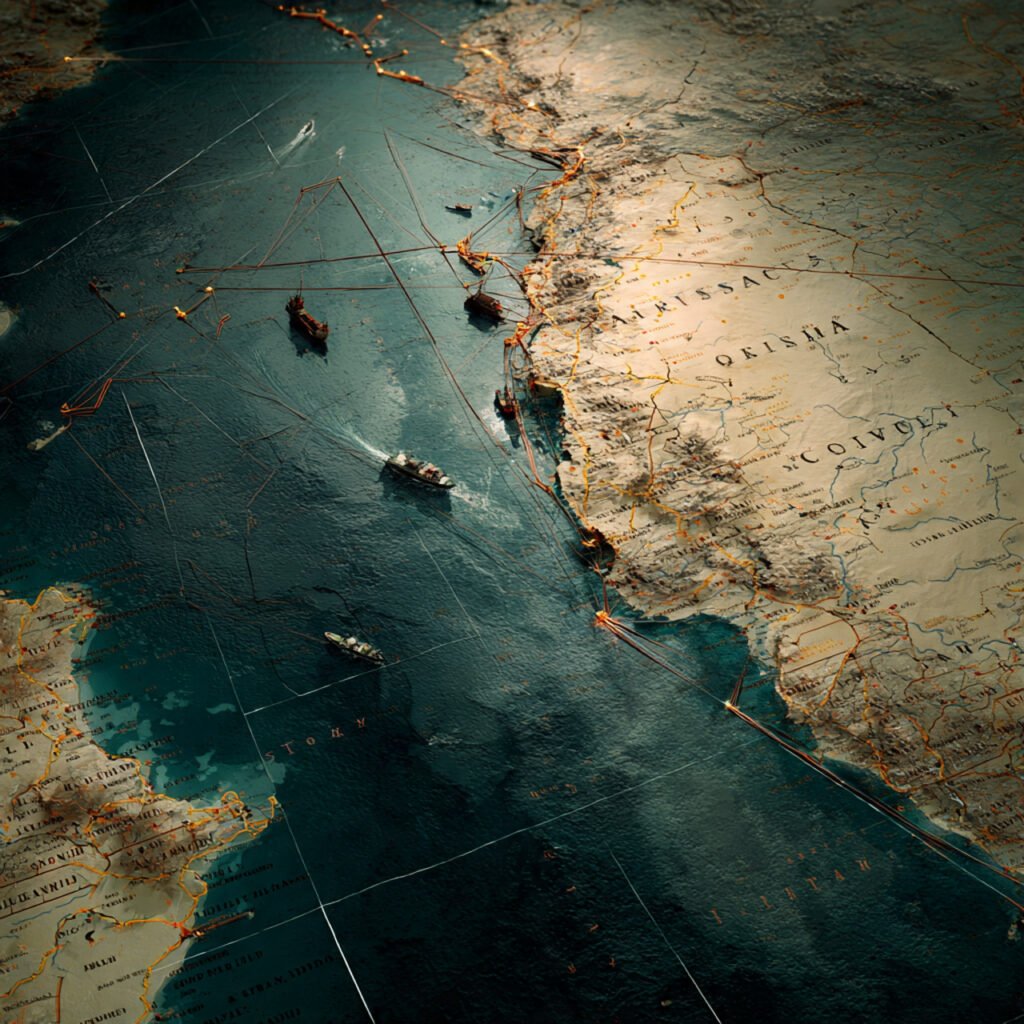
The ongoing US naval blockade on Iran and Tehran’s restrictions on the Strait of Hormuz have created a high-stakes maritime standoff. With the strait serving as one of the world’s most important oil routes, disruptions carry global economic implications. As diplomatic efforts continue, markets and governments remain focused on whether shipping lanes will fully reopen or tensions will persist.