
Republican Party future after Trump analysis
Tuesday, May 5, 2026 Trusted by millions worldwide Back to News Politics The Republican Party may not survive the Trump...
Read More → Wednesday,Aprail 29, 2026
Trusted by millions worldwide
US budget airlines seek aid Companies such as Spirit Airlines, Frontier Airlines, and Allegiant Air are among carriers closely monitoring fuel prices and exploring potential support options. The requests for aid highlight the financial strain affecting the budget airline sector.
US budget airlines seek aid Budget airlines in the United States are seeking billions in financial aid as soaring fuel costs place increasing pressure on low-cost carriers. The situation has intensified in 2026, with airlines facing higher operating expenses while trying to maintain affordable ticket prices. Industry analysts say the rising cost of jet fuel is one of the biggest challenges for low-cost airlines, which typically operate on thinner margins.
Companies such as Spirit Airlines, Frontier Airlines, and Allegiant Air are among carriers closely monitoring fuel prices and exploring potential support options. The requests for aid highlight the financial strain affecting the budget airline sector.
Fuel is one of the largest expenses for airlines. For budget carriers, the impact is even greater because they rely on low fares to attract passengers.
Key cost pressures include:
These factors make cost increases harder to absorb.
Fuel prices have increased due to global market shifts, supply adjustments, and higher demand. Airlines must purchase large quantities of fuel, making them sensitive to price fluctuations.
Fuel price impacts include:
These challenges affect planning.
Budget airlines often have less financial cushion compared to larger carriers. As costs rise, they may seek assistance to maintain operations.
Reasons for aid requests:
Aid could provide temporary relief.
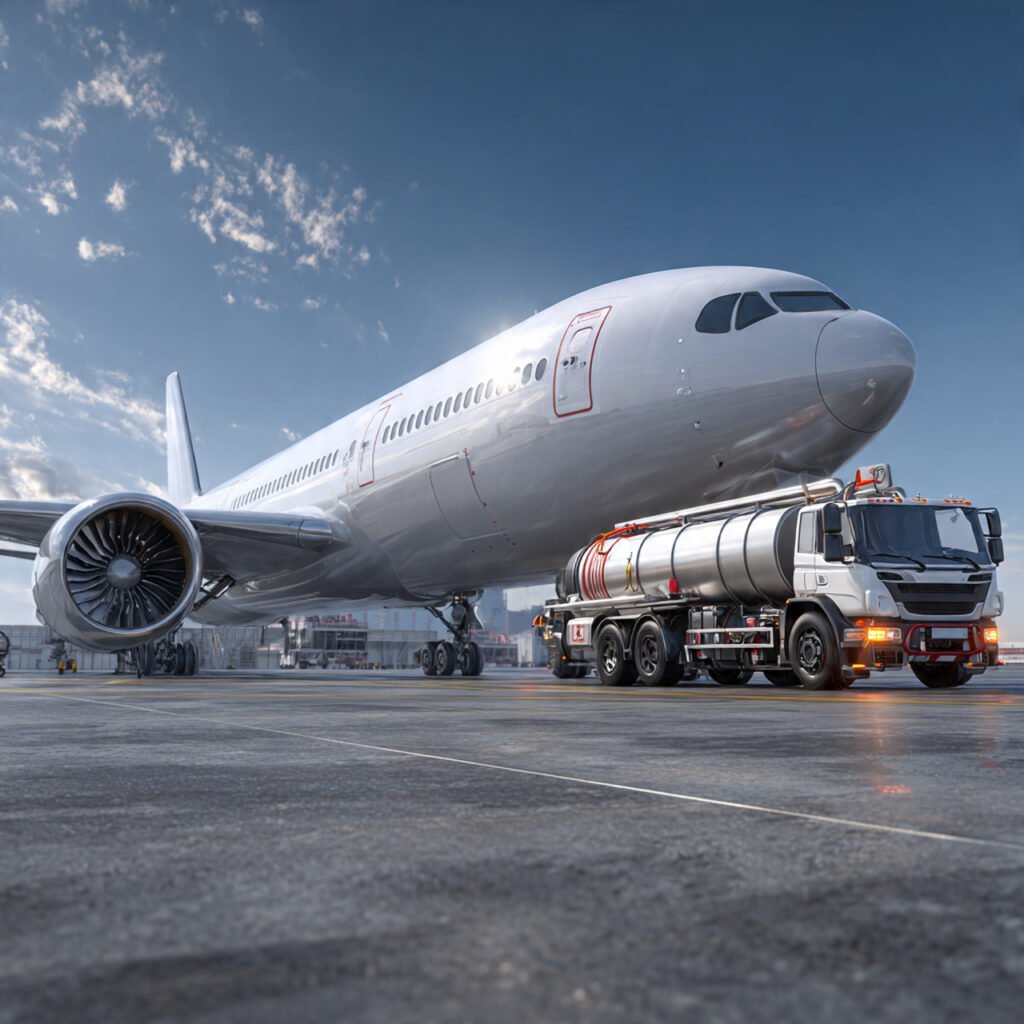
Airlines may seek various forms of assistance. These do not necessarily involve direct bailouts but may include financial tools.
Possible support options:
These measures can reduce pressure.
Budget airlines are known for low fares. However, rising costs may influence pricing strategies.
Possible ticket price effects:
Airlines try to remain competitive.
Budget carriers compete with larger airlines that often have more financial resources. This difference can affect resilience during cost increases.
Competitive challenges:
Budget airlines rely heavily on fares.
Some airlines may review routes to reduce costs. Less profitable routes may face adjustments.
Potential changes:
These steps help manage costs.
Budget airlines typically focus on efficiency. Rising fuel costs push them to further optimize operations.
Efficiency strategies include:
These reduce fuel consumption.
Passengers may notice subtle changes if airlines adjust pricing or services.
Possible traveler impacts:
However, budget airlines aim to stay affordable.

The issue is not limited to one airline. Multiple low-cost carriers are experiencing similar challenges.
Industry pressure includes:
These factors combine.
Government officials may review the situation carefully. Support decisions often depend on broader economic impact.
Considerations include:
Policy responses vary.
Some airlines use fuel hedging to manage price volatility. Budget carriers may have limited hedging capacity.
Risk management approaches:
These help mitigate risk.
Budget airlines play a role in regional connectivity and tourism. Financial strain could affect these areas.
Potential economic impacts:
These depend on outcomes.
The airline industry often adapts to cost cycles. Budget carriers may adjust strategies for sustainability.
Long-term possibilities:
These improve resilience.
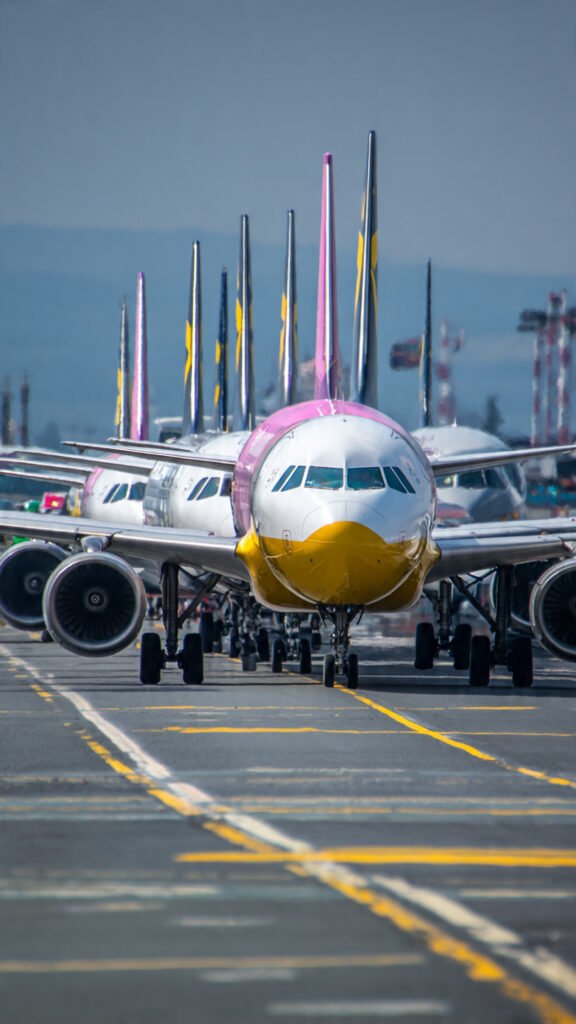
Industry observers are monitoring several factors:
These will shape the sector.
US budget airlines seeking billions in aid amid soaring fuel costs reflects growing pressure on low-cost carriers. Rising fuel prices, thin margins, and competitive pricing are forcing airlines to evaluate financial support options. While passengers may see modest changes, the broader focus remains on maintaining affordable travel and operational stability. The coming months will determine how airlines adapt and whether support measures emerge to ease the strain.