
Bank of England interest rates 3.75% Iran war
Thursday, Aprail 30, 2026 Trusted by millions worldwide Back to News Finance Interest rates held at 3.75% as Bank of...
Read More → Thursday,Aprail 23, 2026
Trusted by millions worldwide
NBA playoff comebacks 2026 NBA Commissioner Adam Silver noted this week that the 2026 postseason has exceeded the league’s expectations in terms of compelling content. “This is exactly what the playoffs are supposed to feel like,” Silver said in a press briefing on April 22. “Every game is a chess match, and the results are proving that no team can afford to relax.”
NBA playoff comebacks 2026 The 2026 NBA Playoffs have already produced some of the most stunning NBA playoff comebacks in recent memory and the first round is barely over. In just the opening week of postseason basketball, teams have erased deficits of 18 points or more on multiple occasions, leaving fans, coaches, and analysts questioning whether a comfortable lead means anything anymore. The data is clear: this postseason is rewriting the rules of how playoff basketball is won and lost.
So what is driving this historic wave of late-game reversals? From the explosion of three-point shooting to smarter in-game adjustments, the 2026 playoffs are a masterclass in why momentum can shift in minutes and why every possession counts until the final buzzer.
The statistical story of this postseason is striking. According to NBA Advanced Stats, teams trailing by 15 or more points at the start of the fourth quarter have won at a higher rate in 2026 than at any point in the past decade. While the league has not released a final figure, multiple games in the first round have seen double-digit deficits erased in the final eight minutes.
Analysts point to several reasons for this trend. Three-point shooting volume in the playoffs has climbed significantly. A team that connects on four consecutive threes can erase a 12-point lead in under 90 seconds a mathematical reality that has made coaches far more cautious about playing conservatively with a big advantage.
Second, playoff conditioning has never been higher. Teams are arriving at the postseason with more structured rotations and better bench depth, meaning the gap in quality between a starter and a backup has narrowed. When a team needs a spark, their second unit is often equipped to deliver it.
One of the most talked-about reversals of the opening round came in Game 2 of the Timberwolves-Lakers series. Minnesota trailed by 19 points entering the fourth quarter. Anthony Edwards orchestrated a relentless closing run .
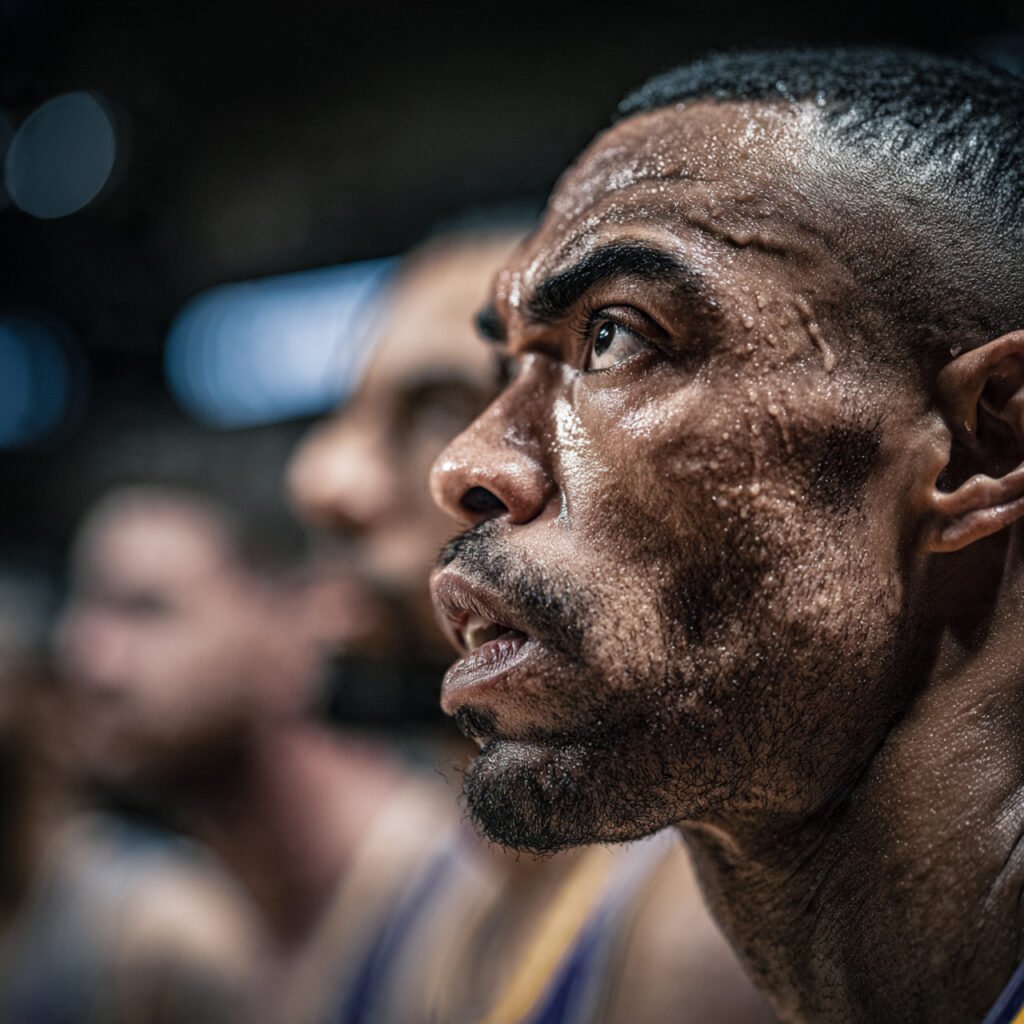
Boston found themselves down 17 points in the third quarter of Game 3 against a Miami team that has made comeback defense its identity since the Jimmy Butler era. Jayson Tatum methodically dismantled Miami’s zone in the second half, combining with Jaylen Brown for 52 combined points. The Celtics won 118-112, reasserting their status as championship-level closers. Heat head coach Erik Spoelstra acknowledged after the game that his team’s defensive rotations “broke down at exactly the wrong moment.”
Perhaps the most dramatic of the first-round comebacks saw Denver trailing Oklahoma City by 21 points in the second half. Nikola Jokic delivered a triple-double that included 11 fourth-quarter points and 6 assists, as the Nuggets outscored the Thunder 38-16 over the final 14 minutes. The victory reinforced why Jokic is considered the most complete player in postseason basketball and why OKC, despite their talent, still have lessons to learn about closing out experienced opponents.
Understanding why NBA teams rally from big deficits in 2026 requires looking at the tactical evolution happening on both sides of the ball.
Several teams have reintroduced sustained full-court pressing in the playoffs not as a gimmick, but as a structured defensive system. When a team trails significantly, extended pressing disrupts the offensive team’s half-court sets and forces rushed decisions. The resulting turnovers frequently lead to quick transition baskets that compress a large deficit rapidly.
Coaches are increasingly managing their stars’ minutes in the middle quarters to preserve peak performance in clutch situations. This means that some of the league’s best players are deliberately held back in the second quarter, only to return in the fourth with fresh legs against opponents who have been playing heavy minutes. It is a calculated approach that has contributed directly to several of this season’s notable fourth-quarter comeback performances.
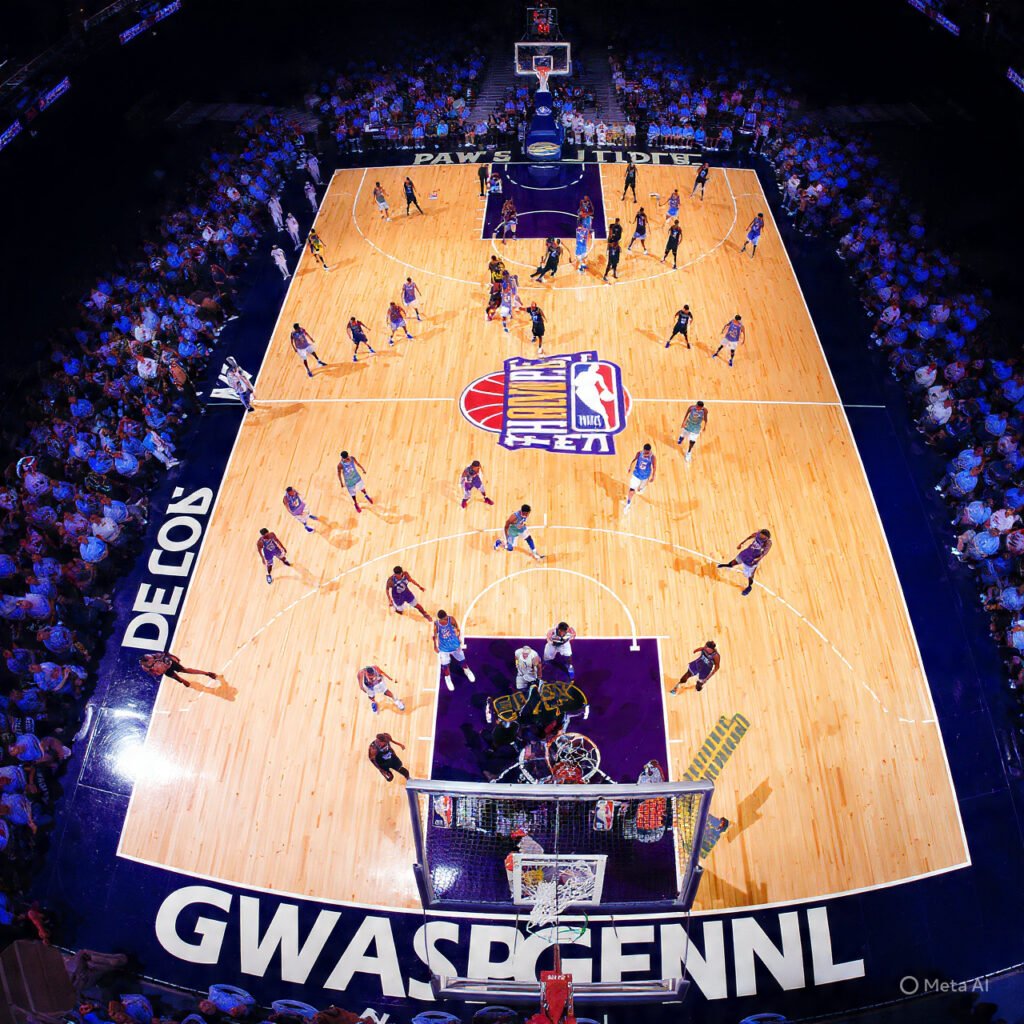
Teams holding a lead in 2026 face an impossible defensive dilemma. Playing tight on the three-point line opens driving lanes; conceding the arc invites the precise mathematical destruction that has defined this postseason. Multiple coaches admitted this week that they have yet to find a reliable system for protecting late leads against elite three-point shooting teams a problem that will define strategy for the remainder of the playoffs.
The implications of the 2026 NBA playoff comeback trend extend well beyond individual game results. For championship contenders, the psychological weight of being unable to close out a victory creates a compounding confidence crisis. Teams that squander large leads once tend to do so again and playoff opponents are experts at identifying and exploiting that vulnerability.
The Boston Celtics, Denver Nuggets, and Oklahoma City Thunder remain the most widely cited championship favorites entering the second round. However, each of those teams has already experienced a significant defensive collapse this postseason. Whether they can correct those issues under the pressure of a deeper playoff run remains the defining question of the 2026 NBA season.
The wave of dramatic finishes has had a measurable impact on viewership. ESPN and TNT reported double-digit rating increases for second-half broadcasts of games that featured significant deficits entering the fourth quarter. Social media engagement during the final minutes of close playoff games has reached levels not seen since the 2016 Finals, according to league data shared with broadcast partners.
NBA Commissioner Adam Silver noted this week that the 2026 postseason has exceeded the league’s expectations in terms of compelling content. “This is exactly what the playoffs are supposed to feel like,” Silver said in a press briefing on April 22. “Every game is a chess match, and the results are proving that no team can afford to relax.”
The 2026 NBA Playoffs have made one thing abundantly clear: a lead is no longer a safe place to be. Whether it is Anthony Edwards engineering a fourth-quarter takeover in Minnesota or Nikola Jokic dismantling a 21-point deficit in Denver, the NBA’s best players are proving that postseason basketball rewards belief over caution.
As the second round begins, teams will be forced to rethink how they protect leads, manage fatigue, and handle the psychological pressure of a postseason defined by volatility. For fans, that unpredictability is exactly what makes the 2026 NBA Playoffs the most exciting in years.
Follow this space for live updates on every series as the second round gets underway this week.